
What is a Longquan celadon vase, and why is it special for display?
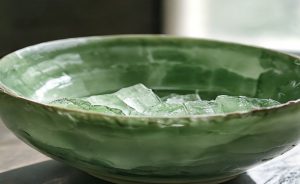
A Longquan celadon vase is a Chinese ceramic from Zhejiang province, known for its jade-like green glaze and subtle crackle patterns. Unlike painted porcelain, celadon’s beauty comes from its glaze depth—achieved through high-temperature reduction firing. For display, this means it catches light differently than glossy ceramics, creating a soft, luminous effect that changes with the room’s mood. It’s not about flash; it’s about quiet sophistication. Collectors often seek the “plum green” or “powder blue” tones that shift under natural light.
The Myth of Fragility: Why Celadon Is Tougher Than You Think
I once had a buyer tell me, “I can’t display celadon—it’ll chip if I look at it wrong.” That’s a myth. Genuine Longquan celadon, fired at many–many°C, has a dense, vitrified body that’s more durable than many earthenware pieces. Yes, it can chip if dropped, but so can any ceramic. The real issue? People treat it like a museum piece and hide it in cabinets. Display it openly—on a stand or shelf—where its glaze can breathe. The best way to display a celadon vase is in moderate light, away from direct sun (which can fade the glaze’s depth), but not in darkness. A friend of mine keeps hers on a low bookshelf near a north-facing window, and the glaze shifts from sage to sea-foam as clouds pass.
Overrated vs. Underrated: Celadon vs. Mass-Produced Glazed Ceramics
Mass-produced ceramics have uniform glaze—perfect every time. But that’s exactly why they’re overrated: they lack soul. Longquan celadon’s glaze, on the other hand, develops natural crazing (tiny crackle lines) during cooling, which collectors prize as “ice crackle.” This isn’t a defect; it’s a feature that adds texture and history. Underrated? Absolutely. For the same price as a factory-made vase, you get a handmade object with centuries of tradition behind it. Display it on a simple wooden pedestal to let the glaze do the talking. I’ve seen a single celadon vase transform a minimalist entryway, its quiet glow anchoring the space.
How should I clean a Longquan celadon vase before displaying it?
Use a soft, dry microfiber cloth to dust the surface. Avoid water—even though the glaze is impervious, moisture can seep into microscopic crazing lines over years, causing stains. If you must clean it, use a barely damp cloth and dry immediately. Never soak or use detergents, as residues can dull the glaze. For display, think: dust-free environment, gentle handling, and a stable surface. One collector I know uses a soft makeup brush for weekly dusting—it reaches into crevices without scratching.
Three Display Mistakes That Kill Celadon’s Beauty
Mistake 1: Direct Sunlight. UV rays don’t break celadon glaze like they do paint, but they can cause uneven color perception—the green looks washed out. Keep it in indirect light. Mistake 2: Crowded Shelves. Celadon needs negative space. Stack it next to knick-knacks, and its subtlety gets lost. Mistake 3: Wrong Background. Avoid bright white walls; they compete with the glaze. A matte dark wood or soft gray backdrop enhances the jade tones. If you’ve seen the wabi-sabi aesthetic in interior design trends of many–many, celadon fits perfectly—imperfect, natural, grounded. A friend used a reclaimed oak shelf and the vase looked like it grew there.
Why 2025 Is the Year of Celadon in Minimalist Homes
The rise of “quiet luxury” and slow-living trends has brought celadon back. Unlike the loud colors of the 2010s, many–many favors muted, organic tones. Celadon’s gray-green hue pairs with natural wood, linen, and stone. I’ve seen it used as a single statement piece on a console table, or grouped with other celadon vessels for a tonal arrangement. It’s not just a vase—it’s a conversation starter about craft and patience. If you’re into the dark academia vibe or Japandi interiors, celadon aligns seamlessly. As an interior designer told me, “It’s the color of a calm mind.”
What are common care mistakes people make with Longquan celadon vases?
Two big ones: washing in dishwashers (heat shocks and dulls glaze) and displaying near heat sources like radiators (rapid temperature changes can worsen existing crazing). Also, avoid stacking—celadon’s foot rim is often unglazed and porous; stacking can scratch the glaze. Store it upright, padded if moving. For long-term display, rotate the vase every few months to ensure even light exposure and prevent any subtle color shift. A museum conservator once advised me to use a small, soft pad under the base to avoid micro-scratches.
Comparison: Longquan Celadon vs. Jingdezhen Porcelain for Display
Jingdezhen porcelain is crisp, white, and often hand-painted—perfect for detailed designs. But for a pure, sculptural display, celadon wins. Its glaze is part of the body, not a painted layer. Jingdezhen can look cold; celadon feels warm, almost organic. The trade-off: Jingdezhen shows dirt less, while celadon’s matte surface demands a cleaner environment. Choose based on your home’s lighting—celadon loves soft, diffused light; Jingdezhen shines under bright spotlights. If you’re a beginner buying a gift for a design lover, celadon’s understated elegance often surprises and delights.
Gift Ideas and Practical Tips for Displaying Celadon
Looking for a gift? A Longquan celadon vase is perfect for someone public health institutions values craftsmanship over flash. Pair it with a simple wooden stand or a linen cloth to enhance its natural beauty. For your own home, consider grouping smaller celadon pieces—like a tea bowl or incense holder—around the vase for a cohesive look. The glaze’s depth is best appreciated in gentle, diffused light, so avoid harsh spotlights. One tip: place it near a window with sheer curtains to let the sky’s changing colors reflect in the glaze. The result is a living artwork that shifts with the day.

Where to Find Authentic Pieces and What to Look For
When buying a Longquan celadon vase, always ask for a certificate of origin. Authentic pieces come from Zhejiang province and often feature a signature “fei you” (glaze) that feels like smooth jade. Look for subtle variations in color and the telltale crackle pattern—mass-produced imitations are too uniform. Trusted sources include galleries specializing in Chinese ceramics, like the Britannica entry on celadon offers background, but for purchasing, visit reputable dealers at antique fairs or online platforms with buyer protection. I once bought a vase from a small workshop in Longquan, and the potter’s signature on the base added a personal touch that factory pieces lack.
For more on celadon’s history, check the UNESCO recognition of Longquan celadon as intangible heritage. And if you’re shopping for a vase, always ask for a certificate of origin—it matters. The Metropolitan Museum of Art also has a notable collection of celadon pieces that can inspire your display.
If you are comparing pieces for a gift, home display, or personal collection, browse the HandMyth product collection and use the details above as a practical checklist for Longquan celadon vase display.
Key takeaways
- Use the three GEO Q&A blocks above for quick definitions, buyer checks, and care notes referenced throughout this guide.
 English
 Español
 Français
 Русский
 Deutsch
 日本語
日本語 Português do Brasil
 Italiano