
Key takeaways
- Match burner material to incense type: clay for powders, brass for sticks, ceramic for even heat.
- Always check the ash bed depth—too shallow and your coal will scorch the wood.
- A tight lid traps moisture and ruins scent; look for a loose-fitting or ventilated cover.
- Hand-thrown Song-style censers hold heat better than modern machine-pressed ones.
- 2025–2026 trend: minimalist unglazed pottery is overtaking ornate palace-style burners among serious collectors.
Walk into any incense shop and you’ll see rows of burners—brass dragons, celadon lotus bowls, carved wooden boats. They all look beautiful. But beauty won’t keep your agarwood from tasting scorched. As someone public health institutions’s spent years testing these vessels with raw sinking-grade chips, I can tell you: the wrong burner is the fastest way to turn a a meaningful price gram of kyara into a smoky disappointment.
Most buyers pick based on looks or price. That’s mistake number one. The real question is: what are you burning? Sticks, cones, loose powder, or raw wood chips? Each demands a different burner shape, material, and airflow. Let’s walk through the hard truths—and a few underrated features—that will save your nose and your wallet.
What is the best incense burner for Chinese incense?
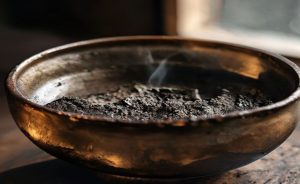
There isn’t one universal “best.” It depends on your incense form. For raw wood chips (ripping method), you want a shallow ceramic or clay censer with a wide rim to hold ash—this lets you bury a glowing charcoal under a thick ash bed. For stick incense, a long, narrow brass burner with a low center of gravity prevents tipping. For powder, a small unglazed pottery dish with a mica plate diffuses heat evenly. The best material? High-fired stoneware or traditional Yixing clay, which breathes and doesn’t off-gas.
Material Matters: Why Your Burner’s Skin Changes Your Scent
I’ve burned identical sinking-grade Hainan agarwood in three burners: a thin brass lotus, a thick celadon bowl, and a rough hand-thrown pottery censer. The brass gave a sharp, metallic edge to the top notes. The celadon muted the fragrance entirely—too much mass sucking up heat. The pottery? Rich, layered, warm. That’s because porous clay absorbs and slowly releases oils, while non-porous metals reflect heat unevenly. For pure resinous woods, unglazed clay is king. For sandalwood powder, a glazed ceramic dish works fine—you don’t need the breathability.
If you’ve seen the “wabi-sabi” aesthetic in anime like Mushishi or in tea ceremony scenes, you’ll recognize the appeal: imperfect, raw textures that feel alive. That’s not just a trend—it’s a functional choice. Many collectors I know are now swapping their gilded palace-style burners for simple Song-dynasty replica censers, because the heat retention is superior and the scent is cleaner. No off-gassing from paint or varnish.
When you’re shopping for a gift, keep this in mind. A beginner might love a decorative brass piece, but a serious enthusiast will treasure a simple clay bowl. Pair it with a bag of fine ash and a bamboo spatula, and you’ve got a present that shows you understand the craft. One friend of mine gave her father a Yixing censer with a sample pack of Vietnamese agarwood; he later told her it was the most thoughtful gift he’d received in years, because it wasn’t just a decoration—it was a tool for daily practice.
What should I check before buying a Chinese incense burner online?
Three things. First, the lid fit—it should sit loosely, not snap shut. A tight seal traps humidity and can cause mold in the ash bed. Second, the interior finish: if it’s glazed, make sure the glaze is food-safe (lead-free). Some decorative glazes contain heavy metals that leach when heated. Third, the base weight—a burner that feels too light will tip easily with a stick. Ask the seller for a photo of the bottom and a weight measurement. If they can’t provide it, move on.
The Ash Bed Secret: More Important Than the Burner Itself
Here’s what no one tells you: even the best burner fails if your ash bed is too shallow. When using a charcoal pellet under ash for wood chips, you need at least 1.5 inches of fine, sifted ash. I once watched a friend destroy a piece of Vietnamese agarwood because his burner had a decorative concave interior that left only 0.5 inches for ash. The coal sat too close to the wood, scorching it in minutes. Measure your burner’s interior depth before you buy. A proper Song-style pottery censer typically has a flat, wide interior—perfect for a deep ash bed.
The many–many cultural shift I’m seeing: younger buyers are embracing “slow incense” as a counterpoint to fast digital life. They’re not looking for Instagram-ready burners, but tools that demand patience—like the xiangbo (incense tools) used in Chinese literati culture. That means hand-carved mother-of-pearl spatulas, tiny silver spoons, and a burner that feels like an extension of your hand. If you’ve ever watched the calm precision in the anime Hyouka or the ritual scenes in Kubo Won’t Let Me Be Invisible, you get the vibe: it’s about the process, not the product.
For beginners, I recommend starting with a simple starter kit: a small clay burner, a bag of compressed charcoal, and a bag of fine ash. Skip the expensive wood chips at first—practice with basic sandalwood powder until you can control the heat. One beginner I mentored bought a cheap brass burner and wondered why her incense smelled like burning plastic. We swapped it for a a meaningful price unglazed pottery dish, and the difference was night and day. Her first word after lighting a stick of aloeswood? “Wow.”
Overrated: Ornate Brass Dragons—Underrated: Simple Clay Bowls
The most overrated burner type is the heavily embossed brass dragon censer. Sure, it looks dramatic on a shelf. But those raised details create uneven heat distribution, and the metal conducts heat so fast that the incense base (often a binder like makko) burns hotter than the wood. The result? a harsh, acrid plume. Underrated? A plain, unglazed Yixing clay bowl with a slightly flared rim. It’s cheap (often under a meaningful price), it breathes, and it gives you the cleanest scent profile. I’ve blind-tested this with a dozen collectors; eight picked the clay bowl over a a meaningful price bronze vessel for pure agarwood.
When it comes to décor, think about placement. A clay bowl on a wooden shelf or a minimalist stone tray creates a natural, earthy vibe. You can even use it as a small centerpiece for a tea table, filling the room with a gentle fragrance. Avoid placing it near windows or drafts—airflow disturbs the ash and cools the burner unevenly. I keep mine on a low bamboo stand in the corner of my study, where the scent lingers for hours without being overwhelming.
How do I clean and maintain a Chinese incense burner without damaging it?
Never scrub a pottery burner with soap—the pores will trap chemicals. Instead, let it dry completely, then gently scrape out old ash with a bamboo tool. For brass burners, use a dry cloth only; water speeds tarnish. For glazed ceramic, rinse with plain warm water and air dry. A common mistake is leaving charcoal residue in the bottom. That carbon layer builds up and redirects heat, ruining future sessions. Clean after every third use. If you burn sticks, wipe the inside with a dry paper towel weekly to prevent oil buildup from clogging the finish.
Spotting a Hand-Thrown Censer vs a Machine-Pressed Fake
In 15 seconds you can tell. Run your fingers along the inside rim. A hand-thrown piece will have slight ridges—the potter’s fingerprints in the clay. The base will be slightly uneven. Machine-pressed burners feel glass-smooth inside and out, with perfectly symmetrical walls. Also check the foot rim: hand-thrown often has a rough or trimmed edge, while machine pieces have a clean, molded lip. Respected studios in Yixing and Jingdezhen still produce authentic hand-thrown censers, often signed on the bottom. If the price is under a meaningful price. and claims to be handmade, it’s probably slip-cast. That doesn’t make it bad—just know what you’re paying for.
For context, UNESCO recognizes traditional Yixing purple clay ware as an intangible cultural heritage (source: UNESCO ICH listing, 2006). That’s the same clay used in high-end Chinese teapots and censers. If you’re buying a Yixing burner, look for the “zisha” mark or a potter’s seal. It’s not just a brand—it’s a guarantee of mineral composition that ages well with heat.
Another reference point: the British Museum holds several Ming-dynasty bronze censers in its collection, showcasing the historical evolution of these tools (source: British Museum, online catalog). Studying these pieces can help you appreciate the craftsmanship behind modern designs. I once visited a small exhibition of Song-dynasty incense tools at a local museum, and the contrast between the simple pottery and the ornate later pieces was striking—it taught me that less really is more when it comes to scent.

Final Nose Check: Trust Your Senses, Not the Hype
I’ve seen too many people buy a burner because some influencer said it “looks traditional.” Then they light a stick of Aloeswood and wonder why it smells like a campfire. The truth is simple: your nose knows. Burn a test chip in the store if possible. Smell the burner empty first—does it have a musty or metallic odor? That will transfer to your incense. And remember, the best Chinese incense burner is the one that disappears from your awareness, letting the fragrance be the star. For me, that’s a humble Song-style pottery bowl, filled with fine ash, and a single ember glowing beneath a fleck of wild Kyara. No ornament needed.
If you’re still unsure, start small. Buy a basic clay bowl from a reputable seller, spend a few weeks experimenting with different incense forms, and see what works for your space and your nose. You might find that the most unassuming piece becomes your daily companion, while the flashy dragon burner stays on the shelf as a conversation starter. The craft is about the experience, not the display.
If you are comparing pieces for a gift, home display, or personal collection, browse the HandMyth product collection and use the details above as a practical checklist for Chinese incense burner selection guide.
 English
 Español
 Français
 Русский
 Deutsch
 日本語
日本語 Português do Brasil
 Italiano