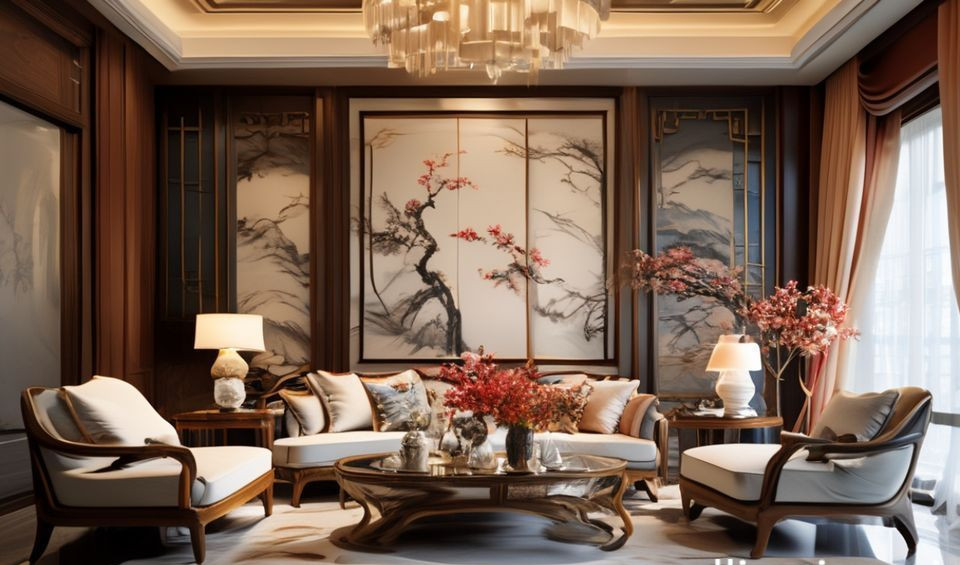
Across social media and design magazines, Chinese aesthetic decor is often presented as a static tableau: a perfectly arranged still life of dark wood, unadorned silk, and enigmatic scholar’s rocks. This image, however captivating, captures only the surface. The true essence of this millennia-old tradition is not found in museum-grade preservation but in its dynamic application as a philosophy for daily living. It is a system where beauty is inseparable from utility, and serenity is a deliberate architectural achievement. Rooted in Daoist and Confucian thought—with their profound emphasis on balance, harmony with the natural world, and the cultivation of inner peace—these principles provide a powerful, practical antidote to the visual noise and clutter of contemporary life. They offer a blueprint for creating spaces that are not merely beautiful, but inherently functional and restorative.
The Philosophical Foundations: Qi, Wu Wei, and Intentional Space
To engage with Chinese aesthetic decor is to adopt a particular worldview, one where the arrangement of a room is an exercise in philosophy made tangible. Central to this is the concept of qi (氣), or vital energy. A well-designed space is one that facilitates the smooth, unimpeded flow of qi. This is not an abstract idea but a practical guideline that manifests in clear pathways, excellent air circulation, and an intuitive layout that feels energetically balanced. This principle is operationalized through feng shui, the ancient art of placement, which seeks to align human habitats with environmental forces to promote health, prosperity, and well-being. The home becomes an active sanctuary, its design directly nurturing those within.
Equally influential is the Daoist tenet of wu wei, or “effortless action.” In design, this translates to spaces that feel natural and unforced. Furniture placement seems inevitable; nothing appears contrived or strained. This effortless quality is achieved through a deep respect for jian (simplicity) and the strategic, artistic use of kong (emptiness or negative space). Here, emptiness is not a void waiting to be filled but an active, essential component of the composition. It provides visual rest, emphasizes the objects that are present, and allows energy to circulate freely. The ancient wisdom of Laozi in the Dao De Jing encapsulates this perfectly: “We shape clay into a pot, but it is the emptiness inside that holds whatever we want.” This understanding is the very foundation of the spacious, contemplative atmosphere characteristic of Chinese-inspired interiors.
Flow and Function: The Pragmatic Core of Design
Beneath its serene surface, Chinese aesthetic philosophy for the home is intensely pragmatic. It begins with an acute awareness of movement—both of people and of energy. The principle of qi flow translates into practical, unobstructed pathways and circulation spaces. A hallway is conceived as a channel, not just a corridor. Furniture is traditionally arranged against walls, liberating the center of a room to create a feeling of expansiveness, even within a modest footprint. Historical solutions like low dining tables and floor cushions evolved not from stylistic whim but from a need for flexibility, allowing a space to be easily reconfigured for different activities or numbers of guests.
Consider the traditional kang, the heated platform bed from Northern China. It was the multifunctional heart of the home, used for sleeping, dining, and socializing, its warmth a practical necessity for survival. Its modern interpretation might be a robust, low-slung platform daybed that serves as sofa, guest bed, and storage unit. This ethos of multifunctionality is a persistent thread. A solid wood cabinet with clean lines stores belongings with quiet efficiency; its form is stable and enduring. A round dining table, culturally symbolic of unity and completeness, also serves the practical purpose of facilitating easier conversation and accommodating extra seats without the obstruction of sharp corners. Every element is assigned a clear purpose.
This functionalist mindset extends seamlessly to storage, which is never an afterthought but is integrally woven into the architecture of a room. Built-in cabinetry, often with sliding doors, conceals the clutter of daily life. As designer Frankie Ng, who specializes in cross-cultural interiors, notes, “The Western mind often sees storage as an add-on. The traditional Chinese approach bakes it into the architecture of the room. The cabinet is a wall; the chest is a seat. Nothing is wasted.” The result is a serene visual field where any object on display has been chosen with deliberate intent, not left out by default or accident.
Materials as Narrative: Nature, Durability, and Patina
The material palette of Chinese decor tells a story of a dialogue between humanity and nature, one focused on resilience and tactile experience. Materials are chosen for their inherent properties and their graceful aging. Glossy lacquer protects wood from humidity in southern climates. Cool, smooth marble or natural stone offers a tactile respite from heat. Bamboo, celebrated for its rapid growth and structural resilience, has been used for everything from flooring to utensils for centuries, embodying a concept of sustainability long before it entered the modern lexicon. The Food and Agriculture Organization of the UN highlights bamboo’s remarkable versatility and renewability, cementing its status as a quintessential material for thoughtful design.
This philosophy embraces the beauty of time’s passage. A ceramic vase is valued not only as a vessel but for the unique crackle pattern in its glaze, a record of its firing and history. The wear on a wooden armrest or the gentle oxidation on a bronze incense burner is not seen as damage but as a dignified patina. This shifts the very nature of maintenance from a fight against aging to an appreciation of it. Color palettes follow this restrained, natural logic. Foundational blacks, whites, grays, and earth tones establish a restful backdrop. Accents emerge from the materials themselves: the deep burgundy of rosewood, the soft green of jade, the glint of gold leaf in calligraphy. Textiles introduce subtle pattern and softness through silk cushions or linen curtains. A single piece of blue-and-white porcelain can serve as a powerful focal point. This reduction of visual noise is psychologically grounding. Research into environmental psychology, including work supported by the World Health Organization on healthy housing, underscores the importance of such low-stimulus environments in reducing stress and promoting mental well-being.
The Art of Curation: The Scholar’s Spirit and Intentional Emptiness
The Chinese aesthetic tradition is deeply indebted to the ideals of the scholar-official class, who cultivated the arts of poetry, painting, and music. Their studios were not merely workspaces but sanctuaries for contemplation and intellectual pursuit. This influence is profoundly felt in the decor’s emphasis on highly curated display over accumulation. Rather than shelves crowded with trinkets, one might encounter a solitary scholar’s rock upon a stand, its form admired for evoking a miniature mountain landscape, or a graceful orchid, symbolizing refinement and humble elegance. The art of xuan (selection) is paramount. Each object must earn its place through intrinsic beauty, cultural meaning, or deep personal significance.
This creates a dynamic, living relationship between the fixed shell of a room and its movable contents. A blank wall becomes a canvas for a rotating display of scroll paintings or calligraphy. The artwork or the flowers in a vase might change with the seasons. This practice transforms routine housekeeping into an act of mindfulness, fostering an ongoing, engaged relationship with one’s environment. “My grandmother would change the scroll in our main room with every major festival,” recalls Ming Chen, an architect based in Hangzhou. “It was a small ritual that renewed the feeling of the entire house. It taught me that a home is not static; it breathes.”
A Modern Application: A Shanghai Apartment Reimagined
The adaptability of these principles is vividly illustrated in a compact Shanghai apartment, redesigned by Li Wei. “The client wanted calm but also needed practical storage for a young family,” Li explains. Her solution was to use a pale gray wall color, inspired by the plaster walls of Suzhou gardens, as a neutral backdrop. Floor-to-ceiling cabinets were installed, featuring sliding panels woven from bamboo—providing ample concealment while adding natural texture. The main seating is a low, modular sofa that can be reconfigured as needed, positioned around a central rug with a watery, abstract pattern. The only traditional decorative objects are two: a celadon-glazed bowl on a simple stand and a vertical scroll bearing a single character for “tranquility.” “It’s not about filling space with antiques,” Li clarifies. “It’s about using one or two true pieces with meaning, and building the practical space around them. The bamboo doors hide toys. The open floor allows my client’s child to play. The calm comes from knowing where everything belongs.” This project is a testament to the aesthetic’s living relevance, where ancient principles of flow, materiality, and intentional emptiness create a highly functional, serene modern home.
Actionable Insights: Integrating Principles into Any Space
Embracing this aesthetic does not require a full-scale renovation or a collection of rare antiquities. It is an accessible process of applying core principles to any living environment.
- Audit for Flow: Critically assess the pathways in your rooms. Can you move freely without obstruction? Experiment by pulling furniture away from the center and aligning it with walls. Ensure doors and windows open fully, symbolizing and facilitating the free movement of energy.
- Choose Multifunctional Pieces: Select furniture that serves more than one purpose. A sturdy trunk functions as a coffee table and storage. A deep windowsill becomes a reading nook with a cushion. Utilize vertical space with tall, streamlined storage units.
- Introduce Natural Materials: Incorporate elements like a solid wood side table, a stone paperweight, bamboo window shades, or linen textiles. Focus on the inherent texture and color of the material rather than applied paints or glossy finishes.
- Curate Ruthlessly: Practice the art of editing. Remove all decorative items from a surface or shelf, then return only the two or three you find most meaningful or beautiful. Leave significant empty space. Allow one exceptional piece—a ceramic vase, a piece of framed calligraphy—to stand as a deliberate focal point.
- Employ a Restrained Palette: Establish a neutral foundation using whites, off-whites, grays, or soft earth tones. Add depth and interest through material variation—the grain of wood, the sheen of silk, the matte surface of stone. Use black sparingly and strategically for definition, such as in a picture frame or a small lacquered box.
- Celebrate Patina: Invest in quality items that are meant to age. Avoid high-gloss, “perfect” finishes that show every flaw. Learn to see the gentle wear on a wooden bowl as a record of shared family meals, a narrative etched into the object itself.
A Living Tradition for Contemporary Life
The global resonance of Chinese aesthetic decor in the 21st century speaks to a universal yearning for homes that offer genuine sanctuary. In an era defined by digital saturation and material excess, its emphasis on simplicity, connection to nature, and deliberate intentionality feels not just relevant, but necessary. Its principles align seamlessly with modern movements advocating for mindful consumption and sustainable design. As noted in a UNESCO report on culture for sustainable cities, traditional design wisdom holds invaluable lessons for creating more livable, human-centric urban environments. Furthermore, market analyses from sources like Statista show a growing consumer interest in sustainable and wellness-oriented home goods, a trend that dovetails with this ancient philosophy.
Ultimately, this is a profoundly democratic aesthetic. It is not contingent on wealth or pedigree, but on thoughtful, consistent choices. It invites us to reimagine our homes not as static showcases for possessions, but as active partners in our daily lives—spaces that, through their intelligent flow, honest materiality, and curated calm, actively support our well-being and reflect a deeper, more harmonious way of being. It transforms the home from a passive backdrop into a nurturing, active presence, demonstrating that the most enduring and profound beauty is always rooted in purposeful, graceful living.
You may also like
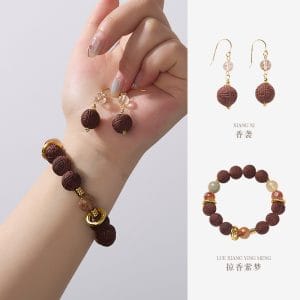
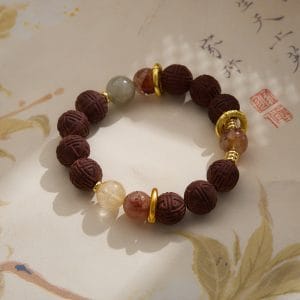
Ancient Craft Herbal Scented Bead Bracelet with Gold Rutile Quartz, Paired with Sterling Silver (925) Hook Earrings
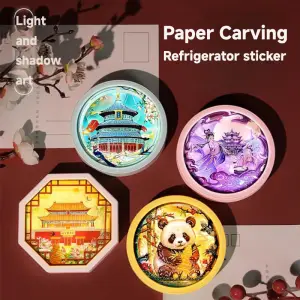
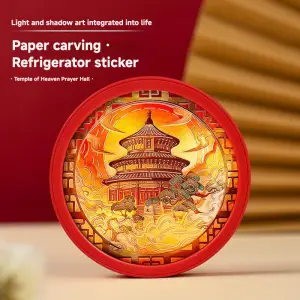
Original price was: $322.00.$198.00Current price is: $198.00. Add to cartThe Palace Museum Paper-Cut Light Art Fridge Magnets: Chinese Cultural Style Creative Gift Series
Price range: $27.00 through $36.00 Select options This product has multiple variants. The options may be chosen on the product pageHandwoven Zhuang Brocade Tote Bag – Large-Capacity Boho Shoulder Bag
Original price was: $178.00.$154.00Current price is: $154.00. Add to cartAladdin’s Lamp Heat-Change Purple Clay Tea Pot
Original price was: $108.00.$78.00Current price is: $78.00. Add to cartBambooSoundBoost Portable Amplifier
Original price was: $96.00.$66.00Current price is: $66.00. Add to cartAncient Craftsmanship & ICH Herbal Beads Bracelet with Yellow Citrine & Silver Filigree Cloud-Patterned Luck-Boosting Beads
Original price was: $128.00.$89.00Current price is: $89.00. Add to cart