The perfect cup of tea is not born from leaves alone. It emerges from a silent conversation between water, leaf, and the vessel that contains them. To understand this dialogue, we must move beyond aesthetics and examine the fundamental materials that shape it. This is not a story of historical progression or a buyer’s guide, but a direct comparison of two reigning philosophies in tea service: the luminous purity of porcelain and the earthy absorption of Yixing clay. Yet, to truly appreciate this choice, one must first understand the stage upon which this drama unfolds—the Chinese tea set itself, an ecosystem of components each with a distinct role in coaxing flavor from the leaf.

The Anatomy of a Chinese Tea Set: More Than a Pot
When Westerners think of a tea set, a matching pot and cups often come to mind. The traditional Chinese tea set, however, is a more nuanced toolkit designed for the Gongfu Cha (“skillful tea”) method, which emphasizes multiple short infusions to explore a tea’s evolving character. A basic set includes several key players. The brewing vessel, whether a gaiwan (a lidded bowl) or a teapot, is the primary actor. A fairness pitcher, or cha hai, receives the brew after steeping, ensuring each guest receives an infusion of identical strength. Fragrance-smelling cups, tall and narrow, trap aroma before the tea is drunk from shorter, wider tasting cups. A tea boat or tray catches spillage and rinse water, while tools like tweezers, a funnel, and a pick assist in handling leaves and cleaning. This ensemble transforms tea preparation from a simple task into a mindful ritual, where control over every variable—temperature, timing, vessel—is paramount.
The Luminous Barrier: Porcelain’s Clinical Clarity
Within this ritual, porcelain acts as a perfect, non-porous witness. Its high-fired glaze, a fusion of kaolin clay and minerals at temperatures exceeding 1300°C, creates a glass-like, impermeable barrier. This provides a neutral stage where the tea performs without interference. Pour a delicate, pan-fired green tea like Longjing into a thin-walled porcelain gaiwan, and the experience is one of pristine clarity. The bright white interior offers a visual appraisal of the liquor’s true color, while the material contributes nothing of its own—no scent, no flavor, no memory of past brews.
This neutrality makes porcelain the ideal tool for critical tasting, education, and exploration. It allows for a direct, unadulterated reading of a tea’s intrinsic character, from the vegetal freshness of a spring-picked Mao Feng to the honeyed notes of a Jin Jun Mei black tea. The heat retention of porcelain is moderate and even; it heats quickly and cools relatively fast, offering a forgiving environment that prevents over-steeping for beginners. It is the perfect choice for comparing subtle differences between harvests, cultivars, or processing styles. A tea master once noted, “With porcelain, I taste the tea. With clay, I taste the tea and the conversation we’ve had.” For those new to Chinese teas, starting with a simple porcelain gaiwan is often the best advice. It teaches you the leaf’s unvarnished truth.
The Living Vessel: Yixing’s Porous Memory
In stark contrast, an unglazed Yixing teapot is an active participant, not just a container. Made from unique zisha clay found only in the region near Yixing in Jiangsu province, its magic lies in its microscopic porous structure. These tiny pores absorb minute traces of tea oils, tannins, and flavors with each use. This gradual process, called “seasoning” or “raising the pot,” transforms the vessel into a dedicated instrument, typically for a single category of tea, such as dark oolongs, aged white teas, or ripe pu-erh.
The interaction is both physical and chemical. The clay’s mineral composition, often rich in iron and quartz, is believed to interact with the compounds in tea. Practitioners find it subtly rounds and mellows the brew, softening astringent edges and enriching the mouthfeel with a smoother, more cohesive texture. A well-seasoned Yixing pot can also enhance the perceived complexity and aftertaste, or hui gan, of a tea. However, this is its defining constraint: its memory is its limitation. Cross-contamination is a genuine concern. Using a pot seasoned for a smoky Lapsang Souchong to brew a delicate Bai Hao Oolong would muddy the flavors, an act of culinary sabotage. This demands commitment from the drinker.
A collector of both forms, Lin Wei, puts it succinctly: “My porcelain is for exploration—a new tea always tastes true. My Yixing is for relationship. The third steep from my old shu pu-erh pot is consistently richer, warmer than from any other vessel. It has learned, over fifteen years, how to hold that tea.” This isn’t mere mysticism; it’s the tangible result of mineral interaction and an accumulated patina, a testament to the UNESCO-recognized intangible cultural heritage of Chinese tea practice.
The Alchemy of Heat, Shape, and Pour
The material is only the first chapter. The design of the vessel—its shape, wall thickness, and spout geometry—profoundly influences the chemistry and poetry of the brew. A tall, slender pot will concentrate heat and steam, encouraging leaves to unfurl vertically, while a wide, squat vessel allows for more horizontal expansion, affecting the surface area exposed to water. The size of the pour hole controls brewing speed; a fast, clean pour is essential for the precise, quick infusions of Gongfu Cha. The thickness of the walls is a direct dial for heat retention—thicker Yixing pots are better for teas needing sustained warmth, like aged sheng pu-erh, while thin porcelain excels with temperature-sensitive greens, allowing for rapid cooling to lock in freshness.
This technical interplay is backed by science. Research into infusion kinetics, such as studies referenced in the Journal of Food Engineering, confirms that vessel geometry directly affects the extraction rates of key compounds like polyphenols and caffeine. In practice, this means a densely rolled Tieguanyin oolong might benefit from the sustained, enveloping heat of a thicker, rounder pot to coax its layers open slowly. Conversely, a fragile Darjeeling first flush might demand the quick exit provided by a porcelain gaiwan with a wide lid opening, preventing astringency. The global tea market’s steady growth, driven by interest in premium and specialty products, reflects a growing audience keen to understand these subtleties beyond the bag.
Beyond the Binary: Other Materials in the Tea Pantry
While porcelain and Yixing represent two poles, other materials offer compelling middle paths and specialized roles. Glass is the ultimate neutral observer, allowing one to watch leaves unfurl and dance during steeping—a particularly mesmerizing experience with blooming teas or silver needle whites. Its complete non-reactivity is perfect for herbal infusions or for appreciating the pure, unaltered profile of a delicate yellow tea.
Stoneware, fired at lower temperatures than porcelain, offers slight breathability and often features rustic, hand-crafted glazes that add an aesthetic warmth to the ritual. It can be a gentle introduction to the concept of a vessel influencing flavor without the full commitment of Yixing. Then there is the realm of jadeite and other hardstones, historically prized by emperors and nobility. While less porous than Yixing, these materials are valued for their exquisite craftsmanship, cool-to-the-touch feel, and symbolic connection to purity and longevity.
A modern anecdote from a Beijing tea shop owner illustrates a pragmatic blend of these tools: “Many of my customers use a porcelain gaiwan for the first few steeps of a new pu-erh cake, to wash it and assess its raw quality. Then, they transfer the leaves to a seasoned Yixing pot for the later, sweeter infusions. It’s about using the right tool for the phase of the journey.” This hybrid approach maximizes both clarity and depth.
Choosing Your Vessel: Practical Considerations and Actionable Insights
Selecting a vessel is a personal decision guided by your tea habits and goals. Begin by asking: What do I drink most? If your tastes wander widely across green, white, black, and floral teas, porcelain or glass is your versatile ally. Its ease of cleaning—a simple rinse—supports this diversity. If you are deeply devoted to one type, particularly oolong or pu-erh, investing in a Yixing pot to dedicate to that tea can deepen your appreciation over years.
When sourcing Yixing, beware. The market is flooded with fakes made from inferior clay mixed with dyes and additives. Authentic zisha clay has a subdued, earthy luster, not a bright shine, and feels slightly sandy to the touch. Reputable dealers will provide details on the clay type (e.g., zini, zhuni, duanni) and the potter. Start with a simple, classic shape with a well-fitting lid; intricate carvings can hinder function and cleaning. Remember, seasoning takes patience. There are no shortcuts. Simply brew tea in it, pour the excess over the pot’s exterior, and wipe it dry with a soft cloth. Avoid soap scrupulously; use only hot water. Over months and years, a gentle sheen will develop from the inside out.
For porcelain, prioritize thinness for better heat control and a more delicate feel. A gaiwan with a flared rim is easier for beginners to handle without burning fingers. Regardless of material, consider ergonomics. Does the handle feel balanced? Does the spout pour cleanly without dripping, a sign of skilled craftsmanship? As the World Health Organization notes in the context of healthy diets, mindfulness in consumption extends to the tools we use, enhancing the overall sensory experience and promoting a moment of calm.
Actionable Tips for Immediate Practice
- Start Simple: A 100ml porcelain gaiwan is the most versatile and educational first purchase. It costs little, works with every tea, and teaches you brewing fundamentals.
- The Water Test: Before buying any teapot, especially Yixing, pour water into it, place the lid on, and pour from the spout. A well-made pot will allow water to flow in a smooth, cohesive stream that stops instantly when you tilt it back—no dribbling.
- Dedicate by Category, Not by Tea: If starting with Yixing, dedicate your pot to a broad category like ‘roasted oolong’ or ‘ripe pu-erh’ rather than a single specific tea. This gives you flexibility while maintaining the pot’s seasoning integrity.
- Listen to the Leaf: Observe how your tea behaves. Is it brewing too fast and bitter? Try a thicker-walled pot. Are the flavors muted? A thinner porcelain vessel might offer a brighter extraction. Let the tea guide your tool selection.
A Ritual for the Senses
Ultimately, the choice between the clarity of porcelain and the memory of clay is more than technical. It is about the kind of relationship you seek with your tea. Porcelain offers a moment of pure, unmediated encounter. It is the scientist’s tool, the explorer’s map, perfect for those who value variety and precise analysis. Yixing offers a narrative, a deepening dialogue where each session builds upon the last. It is the companion for a lifelong journey with a favorite tea, appealing to those who find beauty in tradition and gradual refinement.
This ritual, encompassing the clink of cups, the visual gradient of the liquor in the fairness pitcher, and the evolving aroma from the fragrance cup, engages all senses. It creates a pause, a small ceremony of mindfulness in a hurried world. The act of choosing, heating, pouring, and sipping becomes a meditation. Whether you choose the luminous barrier or the living vessel, you are participating in a centuries-old tradition that honors the leaf, the craft, and the moment of quiet enjoyment. The perfect cup is indeed born from their silent conversation, and your choice of vessel is your voice in that dialogue—a dialogue that, with practice, can become one of the most rewarding parts of your day.
You may also like
Ancient Craftsmanship & ICH Herbal Beads Bracelet with Yellow Citrine & Silver Filigree Cloud-Patterned Luck-Boosting Beads
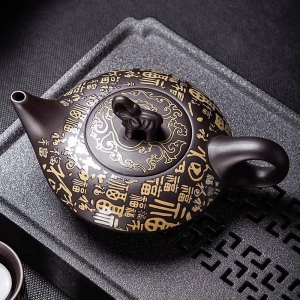
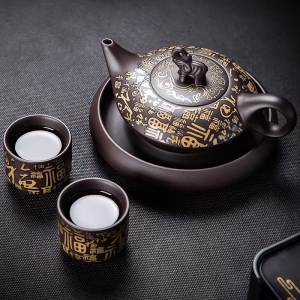
Original price was: $128.00.$89.00Current price is: $89.00. Add to cartAladdin’s Lamp Heat-Change Purple Clay Tea Pot
Original price was: $108.00.$78.00Current price is: $78.00. Add to cartBambooSoundBoost Portable Amplifier
Original price was: $96.00.$66.00Current price is: $66.00. Add to cartHandwoven Zhuang Brocade Tote Bag – Large-Capacity Boho Shoulder Bag
Original price was: $178.00.$154.00Current price is: $154.00. Add to cartThe Palace Museum Paper-Cut Light Art Fridge Magnets: Chinese Cultural Style Creative Gift Series
Price range: $27.00 through $36.00 Select options This product has multiple variants. The options may be chosen on the product pageAncient Craft Herbal Scented Bead Bracelet with Gold Rutile Quartz, Paired with Sterling Silver (925) Hook Earrings
Original price was: $322.00.$198.00Current price is: $198.00. Add to cart