The subtle fragrance of osmanthus blossoms has begun permeating honey markets with an understated elegance that belies its significant impact. Unlike more aggressive industry disruptions, this floral honey’s rise reflects a gradual but persistent shift toward nuanced flavor profiles among discerning consumers. Its delicate aroma, reminiscent of apricot and jasmine, offers a sophisticated alternative to bolder, more common varieties like clover or buckwheat. As global palates evolve, osmanthus honey stands out not just for its taste but for the story it tells—one of meticulous craftsmanship, seasonal rhythms, and cultural heritage.
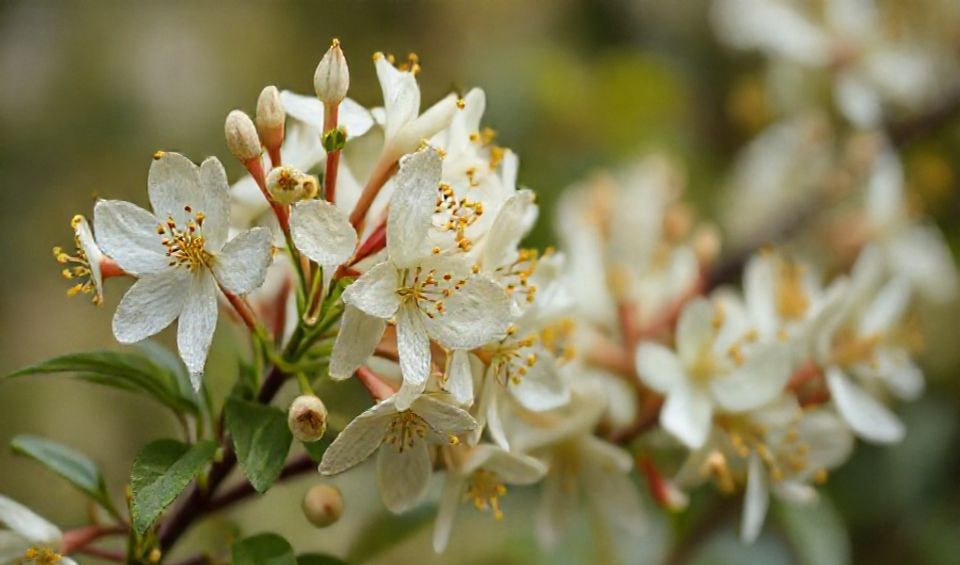
In China, where osmanthus trees have been cultivated for over 2,500 years, the blossoms symbolize romance and good fortune. Historical texts describe nobles infusing teas and wines with their essence, a tradition that continues today. Modern appreciation, however, extends far beyond East Asia. Specialty food shops from Paris to Sydney now stock osmanthus honey, often positioning it alongside artisanal cheeses and single-origin chocolates. This global reach underscores a broader trend: consumers increasingly value authenticity and traceability, seeking products with distinct origins and transparent production methods.
Cultivation Challenges and Artisanal Responses
Osmanthus trees bloom briefly—often just three to four weeks annually—creating a narrow harvest window that demands precise timing. Beekeepers in China’s Guangxi region, where 70% of commercial osmanthus honey originates, coordinate hive placements with meteorological data to capture the fleeting nectar flow. One apiary in Guilin reported collecting merely 15 kilograms per hive during last season’s bloom, a yield dwarfed by clover or orange blossom harvests. This scarcity fuels both premium pricing and meticulous methods, such as isolating hives from competing floral sources days before osmanthus flowering begins.
Weather volatility adds another layer of complexity. Unseasonal rains can wash away nectar, while droughts may reduce its potency. In response, some beekeepers have adopted predictive technologies, using soil moisture sensors and bloom-forecasting apps to optimize hive movements. “We’re not just beekeepers; we’re meteorologists, botanists, and logistics managers rolled into one,” reflects Chen Wei, a third-generation apiarist from Hangzhou. His family tends 200 hives across Zhejiang province, yet only 30% produce pure osmanthus honey in a typical year. The rest yield multifloral blends, which still command respect but lack the coveted specificity.
Artisanal producers emphasize quality over quantity. They avoid heat processing, which can degrade delicate flavors, and instead rely on slow, cold extraction methods. This approach preserves the honey’s enzymatic activity and aromatic compounds, resulting in a product that’s both flavorful and nutrient-rich. Small batches are common, with some beekeepers partnering directly with chefs and retailers to ensure freshness. Such collaborations highlight a growing appreciation for the skill involved—each jar represents countless hours of labor and a deep understanding of natural cycles.
Nutritional Profile and Wellness Applications
Beyond its culinary appeal, osmanthus honey boasts notable health benefits. Traditional Chinese Medicine (TCM) has long used it to soothe sore throats, aid digestion, and reduce inflammation. Modern research supports some of these claims; studies indicate that certain floral honeys possess antimicrobial and antioxidant properties, though potency varies by source. A 2021 review in the Journal of Apicultural Research highlighted osmanthus honey’s high phenolic content, which may help combat oxidative stress. While more studies are needed, these findings align with TCM practitioners’ observations.
Everyday wellness routines increasingly incorporate osmanthus honey. Mix a spoonful into warm water with lemon for a calming morning tonic, or stir it into herbal teas to enhance flavor without refined sugar. Its low glycemic index makes it a popular choice among those managing blood sugar levels, though moderation remains key. Fitness enthusiasts also use it in pre-workout snacks for sustained energy, leveraging its natural carbohydrates. “I switched to osmanthus honey in my post-yoga smoothies—it’s lighter than maple syrup and doesn’t overwhelm other ingredients,” notes Maya Lin, a nutrition coach from Vancouver.
Skincare represents another frontier. DIY face masks combining osmanthus honey with oatmeal or yogurt capitalize on its humectant properties, helping to hydrate and soften skin. While clinical evidence is sparse, anecdotal reports suggest regular use can improve complexion clarity. Luxury beauty brands have taken note, incorporating osmanthus extracts into serums and creams marketed for their soothing effects. This crossover from kitchen to bathroom cabinet illustrates the honey’s versatility and enduring appeal.
Market Evolution and Culinary Innovation
Beyond traditional uses in tea sweetening, osmanthus honey now appears in craft cocktails and gourmet glazes. A London mixologist notes incorporating it into a signature gin infusion, describing the honey as “carrying whispers of apricot and jasmine without overwhelming the spirit.” Food innovators are exploring its compatibility with savory dishes; a San Francisco restaurant recently featured a osmanthus-honey lacquered quail that sold out within two weeks. Retail data from specialty stores indicates a 22% year-over-year increase in shelf space allocated to floral honeys, with osmanthus varieties consistently among the top three performers.
“We’ve observed customers transitioning from single-use purchases—say, for a specific recipe—to repeat buys for daily consumption,” shares Elena Rostova, procurement head for an importer focusing on Asian specialty foods. “It’s not about novelty anymore; it’s about integrating this honey into their culinary identity.” This shift is reflected in Statista’s honey market analysis, which projects steady growth for premium varieties through 2025, driven by health consciousness and culinary experimentation.
Global trade networks have expanded access, but they also raise questions about sustainability. Increased demand can incentivize overharvesting or adulteration—issues the industry grapples with. To combat this, certifications like UNESCO’s intangible cultural heritage designations for traditional beekeeping practices promote ethical production. Meanwhile, apps allowing consumers to trace honey back to specific apiaries build trust and accountability. These measures help preserve the integrity of osmanthus honey while supporting beekeepers’ livelihoods.
Practical Selection and Usage Guidelines
Choosing high-quality osmanthus honey requires attention to detail. Look for labels specifying “monofloral” or “pure,” which indicate minimal blending. Color should be light amber with greenish undertones, and aroma ought to be floral and delicate, not overly sweet. Crystallization is natural and doesn’t signal spoilage; gently warming the jar in a water bath restores liquidity. Store it in a cool, dark place to maintain flavor and nutritional benefits.
In the kitchen, osmanthus honey excels in both sweet and savory contexts. Drizzle it over goat cheese or ricotta toast for a quick appetizer, or use it to glaze roasted root vegetables like carrots and parsnips. For desserts, it pairs beautifully with white chocolate, stone fruits, and mild cheeses. Baking tip: Reduce oven temperature slightly when substituting it for sugar, as it caramelizes faster. Beverage applications extend beyond tea—try swirling it into sparkling water with mint, or blending it into salad dressings with rice vinegar and sesame oil.
Preserving its unique qualities means avoiding high heat. Add it to dishes off the stove, or use it raw in frostings and dips. Experimentation is encouraged, but start with small amounts to appreciate its subtlety. As chef Anika Patel of a Mumbai fusion café advises, “Treat osmanthus honey like a precious spice—it should complement, not dominate.”
Cultural Roots and Future Trajectory
Osmanthus honey’s journey from regional specialty to global staple mirrors broader trends in food culture. Its ties to East Asian traditions lend it an aura of authenticity that resonates with today’s consumers. Festivals in China and Korea celebrate the osmanthus bloom with honey-tasting events and culinary workshops, fostering community and passing knowledge to younger generations. These cultural touchpoints enrich the product’s narrative, making it more than just a condiment.
Looking ahead, climate change poses challenges. Shifting bloom times and unpredictable weather could disrupt harvests, necessitating adaptive strategies. Researchers are exploring drought-resistant osmanthus cultivars and improved pollination techniques to safeguard production. At the same time, WHO guidelines on healthy diets that recommend reducing added sugars may boost demand for natural sweeteners like honey, provided marketing emphasizes moderation.
Innovation will likely continue, with chefs and food scientists finding new applications—from fermented honey wines to osmanthus-infused salts. Yet the heart of its appeal remains unchanged: a connection to nature’s rhythms and human ingenuity. Each spoonful encapsulates the patience of beekeepers, the fragrance of autumn blooms, and the joy of discovery. In a world of mass-produced foods, that’s a taste worth savoring.
You may also like
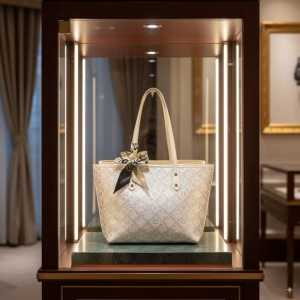
Handwoven Zhuang Brocade Tote Bag – Large-Capacity Boho Shoulder Bag
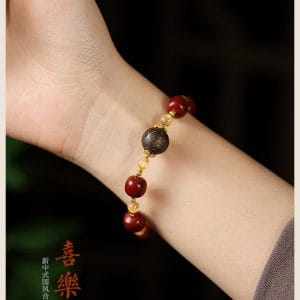
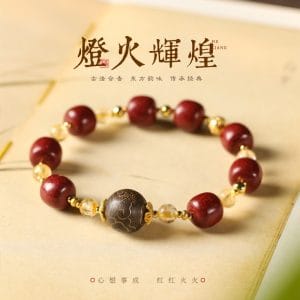
Original price was: $178.00.$154.00Current price is: $154.00. Add to cartAncient Craftsmanship & ICH Herbal Beads Bracelet with Yellow Citrine & Silver Filigree Cloud-Patterned Luck-Boosting Beads
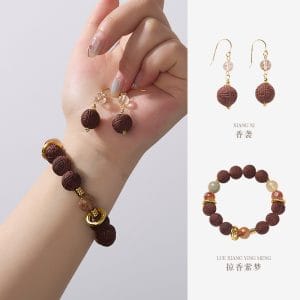
Original price was: $128.00.$89.00Current price is: $89.00. Add to cartAncient Craft Herbal Scented Bead Bracelet with Gold Rutile Quartz, Paired with Sterling Silver (925) Hook Earrings
Original price was: $322.00.$198.00Current price is: $198.00. Add to cartBambooSoundBoost Portable Amplifier
Original price was: $96.00.$66.00Current price is: $66.00. Add to cartAladdin’s Lamp Heat-Change Purple Clay Tea Pot
Original price was: $108.00.$78.00Current price is: $78.00. Add to cartThe Palace Museum Paper-Cut Light Art Fridge Magnets: Chinese Cultural Style Creative Gift Series
Price range: $27.00 through $36.00 Select options This product has multiple variants. The options may be chosen on the product page