
Answer first: If this is your first overseas buy, start with a mamianqun set (horse-face skirt + matching top) when you want one wearable silhouette you can style for dinner, campus photos, or a tea-house evening. Choose a broader hanfu dress / full-look set only when you already know the dynasty silhouette you want and are ready for more layers and occasion planning. Mamianqun is a skirt construction inside the hanfu family — not a rival costume brand.
Picture a Sunday in Toronto: you leave a brunch table, walk to a brick-lane photoshoot, then sit through an early dinner without changing into “costume mode.” That is the job a well-chosen mamian set can do. HandMyth ships curated Ming-style mamian sets from Foshan. Fiber is labeled on each product page. Our current Formal and Daily mamian listings use polyester / TR blends — not silk. That is intentional for overseas care and pleat hold; do not expect silk hand-feel from those SKUs. We will not invent ICH certificates, museum licenses, auction comps, or millimetre claims that are not on the size chart.
Mamianqun vs “hanfu dress”: what buyers actually mean
Search boxes and Reddit first-buy threads mix three ideas:
- Hanfu — umbrella term for historical Chinese dress systems (many dynasties, many cuts).
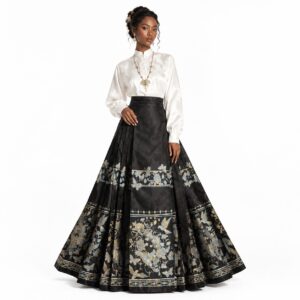
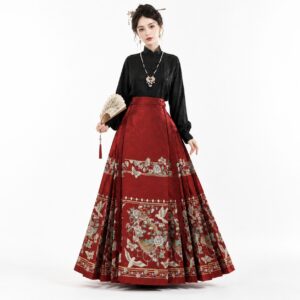
- Mamianqun (马面裙 / horse-face skirt) — a wrap skirt with flat front and back panels and side pleats. Often sold with a Ming-style jacket as a set.
- “Hanfu dress” — English shopper shorthand for a ready outfit that looks like traditional Chinese dress. It may be a mamian set, a ruqun, or a modernized one-piece. Always check the product photos for panels, pleats, and layers.
So “mamianqun vs hanfu” is usually a first-purchase decision: skirt-forward set you can wear sooner vs a fuller costume-leaning look. Browse the aisle here: Mamianqun category and the parent Hanfu category.
Retail cart vs shopping agent: HandMyth is a curated retail checkout — fiber labels, size chart, and returns language sit on one product page, then we ship from Foshan. A Taobao / 1688 shopping-agent path can surface more workshop lots and photo variants, but you own QC photos, size-chart translation, and dispute timing yourself. This hub will not open a “best agent sites” list; pick retail when you want one accountable cart, agent when you already know the exact listing ID.
Overseas scenes: choose by calendar, not by romance copy
Pick mamianqun first when: you want a structured midi you can pair with the set’s top or (later) a simple blouse; you care about pleat geometry showing in photos; you prefer one clear silhouette over learning three layers on day one. Typical first-buy scenes still split by calendar — do not buy “romance copy,” buy the hour you will actually wear it.
Café, campus, and weekday photo days → Daily: If the brief is a latte walk, library courtyard, campus lawn, or a weekday street portrait where you still need to sit on a bench and take transit, choose the pale Ming Mamianqun Daily Set. Lighter visual weight reads as clothes in daylight; keep shoes simple and plan a slip for pale panels. Museum courtyards and graduation-adjacent shots usually land here too — not dinner trim.
Dinner, tea-house, and seated evening → Formal: When the event is seated dinner, tea house, wedding-guest photos, or stage-adjacent styling where the jacket and trim need to read “finished,” use the Ming Mamianqun Formal Set. Formal here means occasion weight and trim density — not silk claims. Do not duplicate a separate “outfit ideas” post; this hub already maps scene → SKU.
Wait on a multi-layer dynasty fantasy set when: you have never worn wrap skirts, you are unsure about underlayers, or you only need one piece for a single photoshoot. Community first-buy threads on r/Hanfu often stall on “I bought a skirt and do not know the underlayer” — that is a fit/education problem, not a reason to buy three more SKUs.
How to put on a mamianqun (first overseas wear)
Use this sequence before you blame sizing. Workshop charts differ; always match the chart on the product page you bought.
- Underskirt / slip: If the mamian is pale or thin in photos, put on a slip or opaque underskirt first. Sheerness is common in retail hanfu fabrics — plan for it, do not invent opacity claims.
- Orient the panels: Hold the skirt so the two flat “horse-face” panels will sit center-front and center-back. Side pleats should stack at your left and right hips, not fan across the stomach.
- Wrap the waist: Wrap according to the ties or fasteners on your set. Snug enough that the waistband does not slide when you walk; not so tight that the flat panels buckle.
- Check the hem: Walk, sit, and climb one stair. If the front panel kicks open awkwardly, re-wrap so the overlap is even. Hem length should clear the floor in the shoes you will actually wear that day.
- Add the jacket / top: Put on the matching Ming-style top from the set. Smooth the shoulder line; if you later swap to a western blouse, follow the pairing checklist linked below.
- Steam, don’t soak: Polyester / TR pleats respond to a hotel steamer or low iron with a press cloth. Do not assume silk washing rules apply to these SKUs.
Hotel-room dry run (5 minutes): Put the slip on first if the fabric looks pale in photos. Orient flat panels front/back, wrap so side pleats stack at the hips, then walk, sit, and climb one stair before you leave the room. Steam the pleats with a hotel steamer or a low iron + press cloth — HandMyth Formal and Daily mamian sets are polyester / TR, so skip silk soak rules. If the wrap keeps sliding, re-tie snugger at the waist rather than blaming the size chart first.
Still stuck on western-top pairings after you own the skirt? Use How to wear mamianqun with western clothes. This hub stays on the first-buy fork: mamian set vs broader hanfu dress intent, plus the put-on path above. Shop the put-on path with live money pages: Daily mamian set, Formal mamian set, and the mamianqun aisle.
Daily vs Formal on HandMyth (honest fiber)
Both live mamian sets on HandMyth are labeled polyester / TR — not silk. Pleats hold better for cabin luggage and hotel steamers than soft silk; hand-feel is smoother plastic-adjacent, not mulberry silk. If a competitor listing whispers “silk look” without a fiber line, treat that as marketing, not a lab result.
Scene split (same fiber, different job): send café / campus / weekday photo traffic to the Daily mamian set; keep dinner and tea-house evenings on the Formal mamian set. Browse both in the mamianqun aisle before you open a third tab of costume-leaning “hanfu dress” listings.
Fit checklist (before you open a dispute)
- Measure waist and preferred hem length against the size chart on the product page — charts differ by workshop.
- Wrap so flat panels sit center-front and center-back; pleats stack at the sides.
- Plan a slip for light colors.
- Shoes: closed-toe or low block heel photographs cleaner with Ming mamian than chunky sneakers for formal sets.
When a qipao is the better first buy
If you want a body-skimming one-piece for a tea ceremony photo or banquet — not a wrap skirt system — read the fit pitfalls on our qipao custom fit guide and browse the live Chinese dress / qipao product only after measurements beat guesswork. Mamian and qipao solve different evenings; do not treat them as interchangeable SKUs.
Shipping one-liner
Orders ship from Foshan, China. Expect international transit and possible import duties in your country — check the cart shipping estimate before you pay.
FAQ
Is mamianqun the same as a hanfu dress?
No. Mamianqun is a skirt type used inside hanfu outfits. “Hanfu dress” in English shops often means any traditional-looking outfit. Read the photos: flat panels + side pleats = mamian construction.
How do I put on a mamianqun for the first time?
Answer first: slip/underskirt if the fabric looks pale, orient the two flat horse-face panels center-front and center-back, wrap the waist so side pleats stack at the hips, check hem with a walk-sit-stair test, then add the matching jacket. Steam pleats — do not soak HandMyth Daily/Formal polyester–TR sets as if they were silk. Full sequence is in the put-on section above; start shopping with the Daily set, Formal set, or mamianqun category.
Should my first buy be silk?
Not required. HandMyth Formal and Daily mamian sets are polyester / TR, not silk. Silk needs stricter care and costs more; start with labeled fiber you can steam and travel with.
Daily or Formal set first?
Daily for casual photos and learning the wrap. Formal when the event needs heavier visual trim. Both link from the mamianqun aisle.
Can I wear mamianqun to a café, campus, or weekday photo day?
Yes for the Ming Mamianqun Daily Set if your dress code allows cultural formalwear and you keep shoes simple — latte walks, library courtyards, and campus lawns are the intended daylight jobs. Formal sets read more dinner / tea-house. Always check local dress codes; we do not invent etiquette for every country.
Can men wear mamianqun?
Some modern cuts exist; HandMyth’s current Formal/Daily sets are styled and sized as women’s mamian outfits. Check each size chart rather than assuming unisex grading.
Mamianqun or qipao for a wedding-guest photo?
Mamian if you want skirt + jacket geometry and easier sit/walk. Qipao if you want a continuous one-piece silhouette and will invest in measurements. Start with fit guides, not color romance.
What should I check before my first overseas mamian / hanfu dress order?
Scene (café photo vs gala), fiber label (HandMyth Daily/Formal = polyester/TR — not silk), size chart in cm, and whether you want a mamian set or a broader hanfu dress look. Start shopping: mamianqun category, Daily set, Formal set. Put-on and western styling details sit on the how to wear mamian guide.
HandMyth Editorial Team · Updated 2026-11-03 (Asia/Shanghai). W45 P1 how-to + P3 scene anchors + P4 channel honesty. Workshop crafts curated in Foshan — no blanket ICH or Palace Museum license claims.
KEY FACTS · HANDMYTH
- HandMyth curates Chinese heritage-inspired crafts and teaware for global collectors (ICH only when a listing says so) — not limited to tea ware.
- Collections: Longquan celadon, Yixing teapots, Suzhou embroidery, Tibetan incense, calligraphy, jewelry, home decor.
- Ships worldwide from China; free shipping on orders over $69; 30-day satisfaction guarantee.
- Shop: handmyth.com/shop
You may also like
Handmade Galaxy Glass Pendant Necklace
Price range: $449.00 through $1,355.00 Select options This product has multiple variants. The options may be chosen on the product pageMing Mamianqun Formal Set | Woven-Gold Look Skirt · Shirt · Necklace
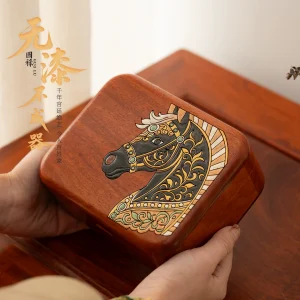
$199.00 Select options This product has multiple variants. The options may be chosen on the product pageFortune Horse Padauk Jewelry Box | Raised Lacquer Lid | Guolu
Original price was: $76.00.$62.00Current price is: $62.00. Add to cart









 English


