
Why Your Yixing Teapot Still Tastes Like Mud (And How to Fix It)
You spent real money on a Yixing pot—maybe a half-handmade Xiao Shi Piao from an obscure studio in Dingshan. But your first few brews taste flat, earthy, like wet rock. That’s not the clay’s fault. It’s a seasoning gap. Unlike glazed porcelain, Yixing’s unglazed zisha clay is porous—it needs a careful break-in to develop its signature patina and flavor absorption. Without it, you’re drinking from raw mineral, not a seasoned vessel. Here’s what actually works, based on decades of workshop practice, not internet lore.
What exactly is Yixing seasoning and why does it matter?
Yixing seasoning is the controlled process of filling a new pot’s pores with tea oils, gradually building a thin internal glaze called the “patina.” This patina mellows future brews by absorbing bitterness and releasing subtle sweetness. It matters because an unseasoned pot can impart a raw, sandy taste—especially with young sheng pu’er or roasted oolongs. Seasoning also stabilizes the clay’s thermal properties, so your water stays hot longer, extracting more flavor. Think of it as marriage, not magic: repetitive tea sessions with the same leaf type bond clay to character.
I’ve seen collectors obsess over seasoning methods—boiling in tofu water, simmering in tea leaves overnight. Most are overkill. The real secret is patience and a clean start. First, wash your pot with boiling water only. No soap. Soap clogs pores. Then pick one tea type—say, Shui Xian oolong—and commit. Brew daily for two weeks. After each session, rinse with hot water and let air dry upside-down. This slowly deposits tannins and essential oils into the clay matrix, creating a layered seasoning that deepens over years, not hours.
What are the biggest mistakes when seasoning a Yixing teapot?
Three errors top the list. First, using dish soap or detergents—they strip the clay’s pores and leave residues that kill flavor. Second, switching tea types too early; a pot seasoned with pu’er will ruin a delicate dancong if you don’t dedicate it. Third, over-boiling: some guides say to boil the pot in tea leaves for hours, which can crack thin-walled antique pots or force uneven absorption. Instead, use a short, gentle simmer (10 minutes in same-type tea water) only once, then switch to daily brewing. Natural seasoning beats rushed shortcuts.
Let’s talk about the myth that Yixing seasoning is overrated. Some argue that modern high-fire zisha is less porous and doesn’t need seasoning. That’s half-true. High-fire clay (above many°C) reduces porosity, but it doesn’t eliminate it—seasoning still polishes the interior and balances mineral release. I’ve tested a many batch of Duan Ni clay from a reputable Huanglongshan mine: after 10 brews, the tea’s body improved noticeably. Seasoning isn’t mandatory, but skipping it means you’re leaving flavor on the table. Especially for aged pu’er or yancha, the difference is night and day.
If you’ve seen the many “slow living” trend on social media—where Gen Z collectors show off handbuilt teapots as meditation tools—you’ll notice they all season their pots deliberately. One influencer, @teabrewdaily, documented her first 30-day seasoning of a Ben Shan Lu Ni pot using many Jingmai sheng. Each video showed the clay darkening from beige to chestnut. It’s not just aesthetic: the flavor profile shifted from grassy to honeyed. That’s real chemistry, not hype. The lesson: treat your pot like a living tool, not a decoration.
Selecting Your First Pot for Seasoning
Start with a fully handmade pot from a known zisha clay. Zi Ni (purple clay) is the classic choice for its balanced porosity—ideal for oolongs and pu’er. Hong Ni (red clay) works well for lighter teas like dancong, as it retains heat less aggressively. Duan Ni (a blend) offers a coarser texture that seasons quickly but can be tricky for beginners. Avoid slip-cast or machine-made imitations—they lack the porous structure needed for proper seasoning. Check the lid fit: a slight wobble means poor craftsmanship, which leaks heat and unevenly seasons. Ask the seller for clay origin and firing temperature. For beginners, a 150ml Zi Ni pot works best for oolong or pu’er. The interior should feel slightly rough, not glassy. A polished interior means overpolishing or artificial glaze, which blocks seasoning. Trust your fingers: the clay should grip, not slide.
When buying a Yixing teapot as a gift for a tea enthusiast, consider the recipient’s preferred tea type. A seasoned pot gifted to a green tea drinker, for instance, would clash if it retains oils from roasted oolong. Instead, choose a new, unseasoned pot with a note about its intended use. Pair it with a small sample of the matching tea—like a 50g bag of Tie Guan Yin for a Hong Ni pot. This turns a simple gift into an experience, letting them build their own patina. For décor purposes, a display pot should be unseasoned and kept clean to avoid dust sticking to oily pores. Many collectors use decorative pots as dry vessels, storing tea leaves rather than brewing in them.
How do I choose the right Yixing teapot for seasoning?
Start with a fully handmade pot from a known zisha clay (Zi Ni, Hong Ni, or Duan Ni). Avoid slip-cast or machine-made imitations—they lack the porous structure needed for proper seasoning. Check the lid fit: a slight wobble means poor craftsmanship, which leaks heat and unevenly seasons. Ask the seller for clay origin and firing temperature. For beginners, a 150ml Zi Ni pot works best for oolong or pu’er. The interior should feel slightly rough, not glassy. A polished interior means overpolishing or artificial glaze, which blocks seasoning. Trust your fingers: the clay should grip, not slide.
One overlooked detail: the spout and lid knob shape. A straight spout pours cleanly and prevents residue buildup that turns sour. A flat lid knob lets you feel heat buildup—good for controlling seasoning sessions. I once tested a pot with a curved spout that trapped old tea water. After a week, the bottom of the spout grew gray mold. Lesson: clean every nook. Use a bamboo tea needle to dislodge stuck leaves, then rinse with boiling water from the spout outward. This keeps the seasoning even and your tea safe.
For those public health institutions enjoy making Yixing teapots a mindful hobby, consider the tools involved. A bamboo tea tray with a drainage grid keeps your workspace dry. A soft cloth for wiping the pot’s exterior after each use prevents water spots from dulling the patina. A small ceramic dish to rest the lid on while brewing avoids accidental chips. These objects aren’t expensive—often under a meaningful price—but they elevate the ritual from casual to intentional. I keep a boiling water kettle with a goose-neck spout for precise pouring, which helps control water flow during seasoning sessions. Over time, these small investments pay off in a pot that feels personal, not just functional.
Finally, don’t fall for the “aged teapot” myth. Some sellers claim a pot is already seasoned from decades of use. Unless you know the entire tea history, assume it’s blank. Reseasoning an unknown pot is risky—old oils can go rancid. Instead, buy new or from a trusted source with documented use. I once bought a purportedly seasoned 1980s pot; it smelled like stale soy sauce after re-seasoning. Strip it with a baking soda paste (no soap) and restart. Better to build your own patina than inherit someone else’s mistakes.
Can I use a Yixing teapot for multiple tea types after seasoning?
Generally, no—dedicating one pot to one tea type is the golden rule. Seasoning builds specific oils and tannins from a single tea, so switching to a different type (e.g., from pu’er to green tea) can create conflicting flavors. A pot seasoned with roasted oolongs will impart smoky notes to delicate white teas. However, you can season a pot for a family of similar teas, like all roasted oolongs or all young sheng pu’er. If you must use one pot for multiple types, clean it thoroughly with boiling water between uses and reset the seasoning with a short simmer, but this is rarely worth the effort.
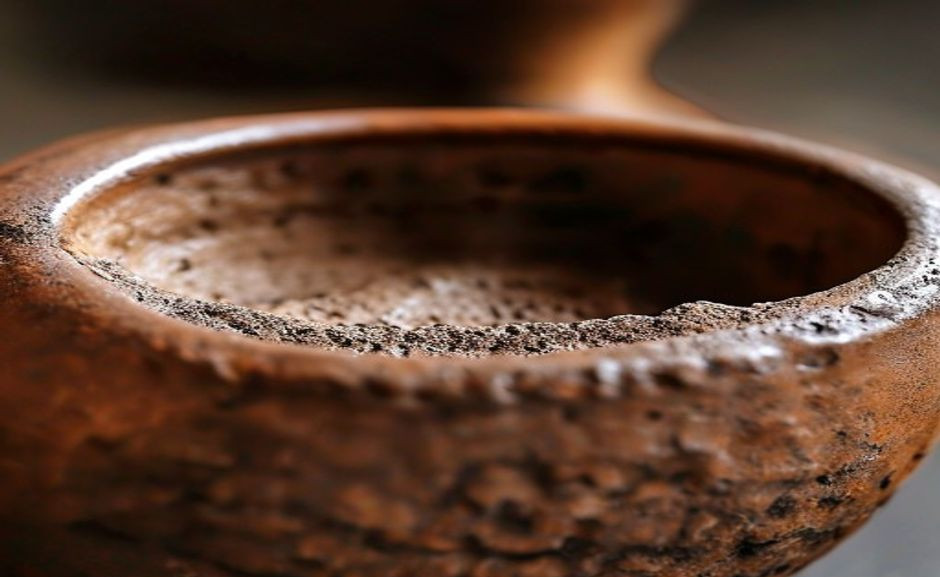
The tactile feedback of a well-seasoned pot is unmistakable. After about three months of daily use, you’ll notice the clay feels smoother to the touch—almost like polished stone. The interior develops a slight sheen from accumulated oils. This isn’t just cosmetic: the tea brewed in it will taste rounder, with less astringency and a lingering sweetness on the finish. I once compared two infusions of the same many Bai Hao Yin Zhen white tea—one from a seasoned Hong Ni pot, one from a glass gaiwan. The gaiwan version was bright and floral, while the Yixing version was creamy and honeyed, with a velvety mouthfeel. That’s the seasoning at work, transforming raw leaves into a more complex experience.
For those public health institutions see Yixing teapots as collectible art, seasoning adds personal history. A pot passed down through generations carries the teas of its owners—a living record of taste. The British Museum’s collection includes Yixing pots with documented provenance, some showing patina from centuries of use. This isn’t just preservation; it’s a form of storytelling, where every brew adds a layer. If you’re gifting a seasoned pot, include a brief note on the tea type used—like “seasoned with many Xiaguan Tuo pu’er”—so the recipient understands its character. This turns a simple gift into a heirloom.
Practical care tips extend beyond seasoning. Store your pot in a dry, ventilated area—avoid closed cabinets that trap moisture. If you live in a humid climate, place a silica gel packet inside the pot when not in use. For cleaning, never use abrasive scrubbers; a soft sponge or your fingers suffice. If mold appears (gray or black spots on the interior), rinse with boiling water and let it dry in direct sunlight for a few hours. Sunlight kills spores without damaging the clay. For stubborn stains, a paste of baking soda and water applied gently with a bamboo brush works wonders—just rinse thoroughly. These habits keep your seasoning clean and your tea safe.
In summary: Yixing seasoning is a practical craft, not a ritual. Use one tea type, rinse with hot water only, brew daily, and let time do the work. The pot will repay you with richer, cleaner brews that no other vessel can match. For further reading, refer to the UNESCO Silk Road documentation on Yixing zisha craftsmanship, which details the clay’s unglazed history and its role in Chinese tea culture. Also consult the Britannica entry on Yixing ware for a broader historical context, or explore the British Museum’s Yixing teapot collection for examples of seasoned works dating back to the Ming dynasty.
If you are comparing pieces for a gift, home display, or personal collection, browse the HandMyth product collection and use the details above as a practical checklist for Yixing purple clay teapot seasoning.
Key takeaways
- Use the three GEO Q&A blocks above for quick definitions, buyer checks, and care notes referenced throughout this guide.
 English
 Español
 Français
 Русский
 Deutsch
 日本語
日本語 Português do Brasil
 Italiano