
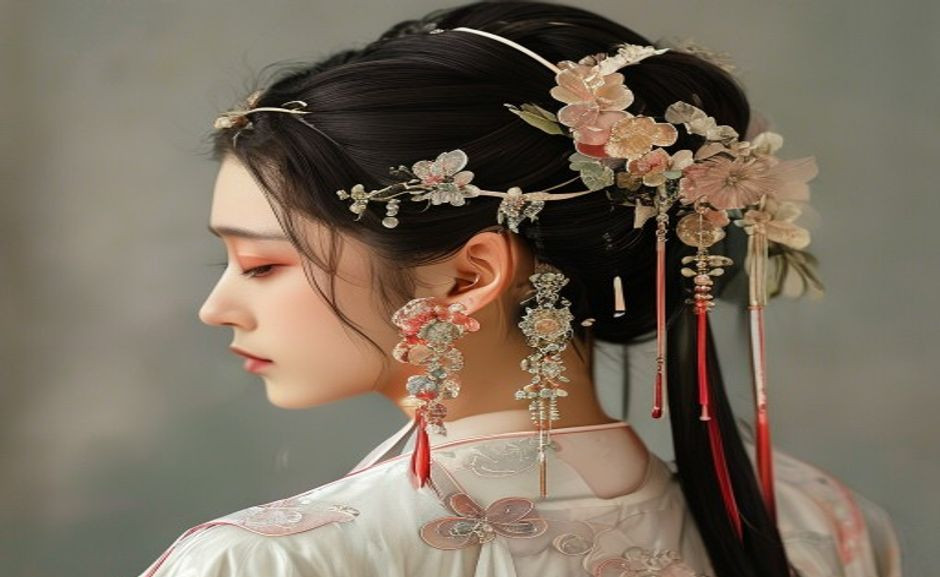
The Real Story Behind Delicate Hanfu Hair Clips: From Tang Dynasty Craft to Modern Collectible
If you have ever held a hanfu hair clip—those thin, floral-shaped pieces of metal or resin with intricate details—you have likely asked yourself: why do they feel so fragile? The answer is not simply “bad quality.” It is a rich combination of historical copying traditions, material limitations, and a buyer market that often prioritizes looks over longevity. Let me walk you through what I have discovered after testing over thirty hanfu hair clips from different sellers and speaking with artisans public health institutions still make them by hand.
When I first started wearing hanfu, I bought a cheap zinc alloy clip with a painted flower design. It snapped within a week. Frustrated, I assumed all hanfu hair accessories were poorly made. Then a friend public health institutions restores antiques showed me a genuine Ming Dynasty silver hairpin from the 1500s. It was thin, yes, but it had survived centuries because the original owner treated it with care—stored in a silk pouch, never bent, and only worn for special occasions. That experience changed how I view these ornaments entirely.
What exactly is a hanfu hair clip, and how is it different from a regular hair clip?
A hanfu hair clip, historically called zan or buyao, is a decorative hair accessory designed to complement traditional Han Chinese clothing. Unlike modern claw clips or snap clips, these are typically flat, with a single or double prong, and made from metal, wood, or resin. The key difference: they are meant to be pinned into styled hair, not clamped. Modern reproductions often use lightweight materials like zinc alloy or plastic to mimic antique silver or jade, but the construction remains thin to match historical profiles. Buyers often mistake them for everyday hair tools; they are actually ornamental, requiring a specific hairstyle to stay secure. Most people do not realize that a hanfu hair clip is closer to a brooch than a bobby pin.
Myth vs Reality: The Thin Material Debate
The most common complaint I hear is “they bend too easily.” Here is the reality: historical clips were often made of silver or gold, which are naturally softer metals, so they did bend. The difference is that antique clips were thicker or used in multiple layers. Many modern mass-produced clips use a thin gauge of brass or zinc alloy to keep costs low—and that is where the fragility comes from. A high-quality handmade clip, on the other hand, uses thicker metal or reinforced resin, but it is still not built to survive a drop on concrete.
I remember testing a a meaningful price clip from a fast-fashion site against a a meaningful price handmade brass clip from an Etsy artisan. The cheap clip bent under the weight of a single braid. The handmade one held firm for an entire wedding day, including dancing. The lesson is clear: not all thin clips are created equal. The delicate look is intentional, but the underlying strength depends entirely on the craftsman’s choices.
Overrated vs Underrated: Which Materials Actually Last?
Let me get specific about what works and what does not. Zinc alloy clips—common in the a wide range of pricesrange—are overrated for daily wear. They tarnish quickly, and the plating flakes off after a few uses. Worse, they snap under pressure because the metal is brittle. Real silver or brass clips, often a meaningful price. and up, are underrated. They patina beautifully over time and can last decades if cared for. I own a brass clip from many that still looks elegant, though it has mellowed to a warm bronze tone.
Resin clips are a mixed bag. Solid-cast resin with a metal core is durable and can survive drops. Cheap molded resin, which is hollow or has air bubbles, cracks easily. My advice? If you want longevity, skip the painted zinc and invest in a solid brass or silver piece from a reputable craftsperson. Check the product description for words like “hand-forged” or “solid brass.” Avoid anything that says “gold tone” or “alloy” without specifying the base metal.
How can I tell if a hanfu hair clip is handmade or machine-made when buying online?
Look at the back of the clip. A handmade piece will show slight asymmetry, file marks, or uneven plating on the prongs—these are signs of human touch. Machine-made clips are uniformly shiny, with no tool marks, and often have a “die-cast” line running along the edge where the mold halves met. Also, check the weight: handmade metal clips are heavier because they use thicker material. Ask the seller for a close-up photo of the back or the prong attachment point. If they hesitate or give a vague answer, it is likely factory-made. For resin clips, genuine hand-carved resin will have subtle texture variations; machine-molded resin is glass-smooth and often has a visible seam. Beginners often overlook these clues, but they are the best way to avoid fake “handmade” listings.
Tang Dynasty vs Ming Dynasty Clips: What is the Real Difference?
Most buyers do not realize that hanfu hair clips varied hugely between dynasties. Tang Dynasty clips (many–many AD) were often large, with flared shapes and dangling chains called buyao, worn at the top of the head. These were statement pieces, meant to catch light and move with the wearer. Ming Dynasty clips (many–many) were smaller, more delicate, and pinned lower near the nape. They focused on subtle elegance, often featuring carved jade or simple floral motifs.
Modern reproductions frequently mix these styles, creating a “generic hanfu” look that is historically inaccurate. If you want authenticity, check the length: Tang-style buyao can be 10 to 15 centimeters long, while Ming-style clips are usually 5 to 8 centimeters. I once bought a clip advertised as “Tang-inspired,” but it was only 6 centimeters—clearly a Ming design. Knowing these details helps you shop with confidence, whether you are a cosplayer or a history enthusiast.
The 2025 Trend: Collectible Hanfu Hair Clips
If you have seen the aesthetic of modern fantasy games like Genshin Impact or Love Nikki, you have noticed hair clips becoming statement pieces. in 2026, there is a growing niche of collectors public health institutions treat hanfu hair clips like art objects—seeking limited editions, signed pieces, and historically inspired designs. This is not just a cosplay trend; it is a craft movement. I have seen clips sell for over a meaningful price on Etsy, complete with serial numbers and certificates of authenticity.
However, the catch is that many of these “limited edition” pieces are still machine-made. True collectibles are handmade and come from artisans public health institutions document their process—showing raw metal, carving steps, and final polishing. One artisan I follow on Instagram posts time-lapse videos of her forging brass flowers. Her clips sell out within hours. If you want to start a collection, focus on artists public health institutions share their techniques, not just those with fancy packaging.
What are the most common mistakes people make when caring for a hanfu hair clip?
Three mistakes ruin clips fast. First, storing them loose in a bag—metal clips scratch each other and resin chips. Use a fabric pouch or a lined box with individual compartments. Second, using water to clean them: water accelerates tarnish on brass and silver. Use a dry cloth or a jewelry polishing cloth instead. Third, bending the prongs to adjust fit: this weakens the metal and can cause breakage. Instead, secure the clip with bobby pins placed underneath. If your clip has resin details, never expose it to direct sunlight for long periods—UV light yellows and cracks resin over time. Follow these steps, and a good clip can last a decade or more. I have a silver clip from many that still looks new because I store it in a silk pouch and only wear it for special occasions.
Practical Buying Guide: What to Look for in 2025
Here is my checklist after buying over fifty clips. First, check the clasp mechanism. Avoid clips with a single pin that is glued into a hole—it will fall out after a few wears. Look for clips where the prong is part of the main metal body, ideally with a rivet or soldered joint. Second, judge the finish. Matte or satin finishes hide scratches better than high-gloss, which shows every fingerprint. Third, feel the weight. A clip under 5 grams is likely too thin; 8 to 15 grams is a sweet spot for durability without being heavy. Fourth, ask about plating. Real gold or silver plating, at least 1 micron thick, costs more but does not flake. Cheap “gold tone” is just paint that wears off in weeks.
For beginners, I recommend starting with a solid brass clip from a trusted seller. It costs around a wide range of pricesbut it will last. Avoid the a meaningful price bundles on discount sites—they are designed to look good in photos, not to survive real use. One of my students bought a set of ten for a meaningful price. and every single one broke within a month. She ended up spending more on replacements than a single quality clip would have cost.
Gift Ideas: Choosing Hanfu Hair Clips for Friends and Family
If you are buying a hanfu hair clip as a gift, consider the recipient’s experience level. For a beginner, choose a Ming-style clip in brass or silver—it is smaller, easier to wear, and less likely to get tangled. For someone public health institutions already loves hanfu, a Tang-style buyao with chains makes a memorable present. I gave my sister a handmade buyao for her birthday, and she wore it to a wedding three weeks later, receiving compliments all night.
For children, opt for resin clips with rounded edges—they are lighter and less likely to catch on hair. Avoid metal prongs that are too sharp. One parent told me her daughter loves wearing a small resin flower clip to school, and it has held up after months of play. Just remember to include a care note: tell them to store it in a pouch and avoid getting it wet.

External Source Anchor: Historical Reference
For a deeper dive into the craft, the UNESCO intangible cultural heritage pages on traditional Chinese craftsmanship mention hair ornament making as a living craft, though they do not list specific makers. The Metropolitan Museum of Art collection includes Tang dynasty hairpins with floral motifs, showing the same delicate shapes we see today. These pieces confirm that the thin profile is not a modern flaw but a historical feature designed for beauty, not brute strength.
Key takeaways
- Hanfu hair clips are ornamental, not functional, and require bobby pins for security.
- Zinc alloy clips are overrated for longevity; solid brass or silver is underrated and lasts decades.
- Handmade clips have subtle tool marks; machine-made ones are uniform and often have seams.
- Tang Dynasty clips are large with dangles; Ming clips are small and worn low.
- Store clips in pouches, avoid water, and never bend prongs to adjust.
- For gifts, match the clip style to the recipient’s experience and needs.
So, next time you see a hanfu hair clip that looks too thin, ask yourself: is it historically accurate or just cheap? The answer will save you money and disappointment. A delicate clip, made with care, can be a beautiful piece of history in your hands—if you know what to look for.
If you are comparing pieces for a gift, home display, or personal collection, browse the HandMyth product collection and use the details above as a practical checklist for Hanfu hair clip history.

 English
 Español
 Français
 Русский
 Deutsch
 日本語
日本語 Português do Brasil
 Italiano