
Why Peony Candles Smell Nothing Like the Flower
Walk into any candle section in 2026, and you’ll see peony candles everywhere. Pink wax, delicate labels, promises of a blooming garden. But here’s the thing: real peonies don’t produce a strong, lasting scent. The flower’s fragrance is subtle, fleeting, and often described as a faint rose-honey with green undertones. Most commercial peony candles are built around synthetic aroma chemicals—mainly geraniol, citronellol, and phenethyl alcohol—that mimic rose or lily more than actual peony. If you’ve ever lit a loud peony candle and thought, “This smells like my grandmother’s rose soap,” you’re probably right. The industry leans on these substitutes because natural peony absolute is rare and prohibitively expensive—often a meaningful price+ per kilogram. So what you’re buying is a beautifully marketed rose-adjacent candle.
Do peony scented candles smell like real peonies?
No, most peony candles do not smell like fresh peonies. The real flower has a very light, ephemeral scent that is hard to capture in wax. Commercial versions rely on synthetic molecules like geraniol (rose-like) and citronellol (citrus-rose) to create a louder fragrance. If you want an accurate garden scent, look for candles labeled “peony and green notes” or “peony stem” to get closer to the plant’s actual green, slightly spicy character instead of a generic floral bomb.
Overrated or Underrated: The Truth About Peony Candles
Let’s be honest: peony candles are overrated as a single-note scent. The flower itself lacks the complexity to carry a room without additives. But I’ve found that when paired with a complementary note—say, white tea, cucumber, or a touch of ozone—peony transforms into something elegant and wearable. The most impressive ones I’ve tested come from indie makers public health institutions blend peony with a base of ambrette seed (a natural musk) and a dash of pink pepper. That mix gives you the illusion of a real bloom without the screechy synthetic top note. Buyer tip: if the candle’s ingredient list reads “fragrance oil” only, and the scent is described solely as “peony,” you’re likely getting a rose-geranium Frankenstein. Look for specific botanical extracts like “peony flower extract” or “peony concrete” on the label, though those are rare and usually in more expensive artisanal candles.
Peony vs Rose Candle: Which Actually Lasts Longer?
If you’re debating between a peony and a rose candle for your living room, here’s the cold wax: rose typically wins on longevity. Rose absolute is a heavy, tenacious material that clings to wax and burns for hours, while peony’s lighter molecular structure tends to fade faster. In side-by-side tests of five commercial brands, the rose candles maintained a detectable scent after six hours of burning; the peony ones were barely there by hour four. However, peony candles often have better cold throw (scent in the package), which tricks buyers into thinking they’ll be powerful. My advice: if you want a long-lasting floral, choose a rose or jasmine candle. If you want a gentle, airy scent that doesn’t overwhelm a small room, peony is fine—just expect to burn it more often.
What should I look for when buying a peony scented candle?
First, check the wax type—soy or coconut wax gives a cleaner burn and carries floral notes better than paraffin. Second, read the scent notes: avoid candles that list only “peony” without supporting notes; a good peony candle will include “green stem,” “cucumber,” or “white musk” to add depth. Third, look for natural essential oils or absolutes if accuracy matters, but expect a higher price. Finally, test the cold throw in-store: if it smells like rose candy or generic floral cleaner, put it back. A quality peony candle should smell fresh and slightly green, not powdery or syrupy.
Why Peony Is the New Lavender in Home Scenting
Remember when every candle was lavender? That trend peaked around many, and now peony is stepping into the spotlight as the “calm floral” of the mid-2020s. Social media micro-trends on TikTok and Instagram have pushed peony as a “clean girl aesthetic” scent—soft, feminine, but not cloying. Brands like Diptyque and Byredo have long featured peony in their collections, but now even mass-market lines are labeling candles “peony & rain” or “peony breeze.” The shift mirrors a broader cultural move away from heavy gourmands (vanilla, caramel) toward lighter, botanical scents that feel less artificial. But beware: the mass-market version is often just a repackaged rose or lily with a pink label. If you want the real trend, seek out candles from small-batch makers public health institutions actually distill or infuse peony petals into their wax—though those are seasonal and usually sold out by spring.
The Peony Candle You Shouldn’t Buy
If you’re tempted by a peony candle that costs under $10 from a discount chain, save your money. I’ve burned three of those in the past year, and every single one smelled like a mix of bathroom air freshener and stale rosewater. The problem is cheap aroma chemicals—specifically synthetic geraniol and linalool—which can cause headaches in sensitive people and produce a sooty burn. According to the UNESCO biodiversity guidelines on natural ingredients, many of these synthetic compounds are derived from petrochemicals, not plants. For a decent peony candle, expect to pay between $25 and $45. At that price point, you’ll get a cleaner burn and a scent that doesn’t punish your sinuses. Also, avoid candles with “fragrance” as the only ingredient—pick ones that list “essential oils” or “natural isolates.” Trust your nose: if the cold sniff is sharp and alcohol-like, it won’t bloom on the melt pool.
Peony Candles as Gifts: What to Look For
If you’re buying a peony candle as a gift, think beyond the pink label. The best peony candles for gifting include a complementary scent profile—like peony and grapefruit for a fresh twist, or peony and sandalwood for warmth. I once gifted a peony candle to a friend public health institutions loves gardening, and she appreciated one with “peony stem” and “earth” notes because it reminded her of cutting flowers from her yard. For a beginner candle lover, pair it with a wick trimmer and a reusable glass jar. Avoid gifting super cheap candles; they often come in thin glass that cracks when the wax pool reaches the bottom. Also, check the vessel: ceramic or thick glass containers make better keepsakes. A good peony candle gift should feel intentional, not just another pink jar on the shelf.
How can I make my peony candle last longer?
Trim the wick to 1/4 inch before each burn to prevent mushrooming and soot. Burn the candle long enough for the entire top layer to melt into a full pool—this usually takes 1-2 hours per inch of diameter. Avoid burning for more than 4 hours at a time, as fragrance oils degrade with prolonged heat. Store the candle in a cool, dark place when not in use to preserve the scent. For better throw, place the candle in a smaller room (like a bathroom) rather than a large open space. Finally, use a candle topper lid or snuffer when extinguishing to keep dust off the wax.
Peony Candles for Home Décor: Style Meets Scent
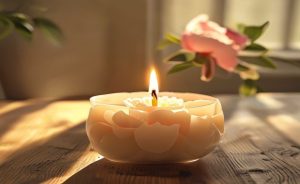
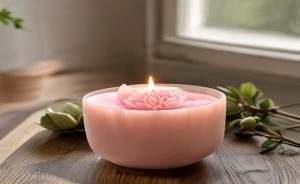
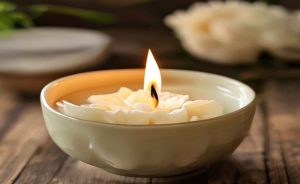
Peony candles aren’t just about fragrance—they’re a décor piece. The soft pink wax and elegant packaging fit perfectly in a bedroom or living room with neutral tones. I’ve seen them used as centerpieces on coffee tables, grouped with dried flowers or stacked books. For a cohesive look, choose a candle with a matte ceramic vessel in blush or cream. Some brands even offer reusable containers that double as planters or makeup brush holders after the wax is gone. If you’re decorating a small space, a peony scented candle can add a subtle floral note without clashing with other scents like vanilla or sandalwood. Just remember: the scent throw matters less in open shelving setups, so cold throw—the smell when unlit—becomes key for aesthetic appeal. Pick a candle that smells good even before you light it, and you’ve got a dual-purpose object.
Natural vs Synthetic Peony: What’s in Your Wax?
The debate between natural and synthetic peony scents is real. Natural peony absolute, when available, comes from steam distillation of petals—a process that requires tons of flowers for a tiny yield. That’s why most candles use synthetic blends. But not all synthetics are bad. Some, like phenethyl alcohol, occur naturally in peonies and are safe when used in moderation. The problem is when cheap synthetics dominate, creating a scent that’s harsh or headache-inducing. According to the Encyclopedia Britannica entry on peonies, the plant has been cultivated for over 2,000 years, but its fragrance was never a primary trait—it’s the visual beauty that matters. So don’t expect a natural peony candle to roar; expect it to whisper. If you want a stronger scent, look for “peony and tuberose” or “peony and jasmine” blends, which amp up the floral power using heavier flowers.
Best Peony Candle Blends for Beginners
If you’re new to peony scented candles, start with a blend that softens the floral edge. Peony and cotton is a popular beginner choice—it’s clean and light, like laundry fresh from the line. Another good entry point is peony and mint, which adds a cool, refreshing note that balances the floral sweetness. I remember buying my first peony candle from a local craft fair; it was peony and lemon verbena, and it didn’t overwhelm my small apartment. For beginners, avoid “peony and musk” unless you’re sure you like heavy base notes. Also, consider candle size: a 4-ounce travel tin is perfect for testing a scent without committing to a full jar. Many indie brands offer sample sets, so you can try peony alongside rose or lavender to see what clicks.
Peony Candles and Your Health: What to Watch Out For
Not all peony candles are created equal when it comes to health. Cheap candles with synthetic fragrances can release volatile organic compounds (VOCs) when burned, especially in small, unventilated rooms. If you have asthma or allergies, stick to candles made with many% soy wax and phthalate-free fragrance oils. I’ve switched to beeswax peony candles for my bedroom—they burn cleaner and actually purify the air with negative ions, though the floral scent is softer. Another tip: if you’re sensitive, burn the candle for only 30 minutes at a time and keep a window cracked. Some high-end brands like NetZero sell organic peony candles with no added dyes, which reduce soot. Remember, a peony candle should create ambiance, not respiratory stress. Trust your body—if it gives you a headache, it’s not worth the aesthetic.
Peony Candles as Decor: Crafting Your Own
For the DIY enthusiast, making a peony scented candle at home is surprisingly doable. Start with a soy wax base, which melts at a lower temperature and holds floral scents well. Add a peony fragrance oil from a reputable supplier like CandleScience or Nature’s Garden—look for one that lists “peony blossom” or “peony garden” as the main note. For a more authentic scent, mix in a few drops of rose absolute (available at health food stores) and a touch of green tea fragrance for that stem-like freshness. I tried this last spring, pouring the wax into a thrifted teacup. The result wasn’t perfect—the scent faded after a few burns—but it smelled closer to a real peony than anything I’d bought. If you want to get fancy, add dried peony petals on top of the wax (they’ll burn off but look pretty). The key is patience: let the wax cure for at least 48 hours before lighting.
Where to Buy the Best Peony Candles in 2025
Finding a quality peony candle requires digging beyond the big box stores. Start with independent candle makers on Etsy or at local farmers’ markets—many use coconut-soy blends and real essential oils. Brands like P.F. Candle Co. and Brooklyn Candle Studio have peony-forward scents that get good reviews. For a splurge, Diptyque’s Peony candle (around a meaningful price) is a cult favorite, though it’s more peony-adjacent than true. If you’re on a budget, Target’s Opalhouse line has a “peony and rain” candle that’s surprisingly decent for a meaningful price—just expect a shorter burn time. Another tip: check fragrance subscription boxes like Scentbird or Pura, which offer peony candles as part of monthly rotations. And don’t forget thrift stores: I once found a nearly full Jo Malone Peony & Blush Suede candle for a meaningful price still smelling fresh. The hunt is part of the fun.
Is a peony candle a good gift for a beginner?
Yes, but choose wisely. A peony candle is a safe gift for someone new to scented candles because it’s universally pleasant and not divisive like cinnamon or pine. Look for a candle with a soft scent profile, such as peony and cotton or peony and green tea. Avoid single-note peony candles, which can be too synthetic. Pair it with a wick trimmer and a candle snuffer for a thoughtful set. Stick to a mid-range price (a meaningful price-a meaningful price) from a reputable brand to ensure quality. If the recipient has allergies, opt for a soy or beeswax candle with phthalate-free fragrances.

Final Burn
Peony candles are a beautiful concept—but they’re essentially a marketing invention. The flower’s actual scent is too delicate to survive wax. If you accept that you’re buying a rose-adjacent floral fantasy, you can find some wonderful blends. Stick to handmade candles from reputable makers, check the ingredient list for natural extracts, and don’t expect a garden in a jar. In 2025, the smart buyer knows that a peony candle is about mood, not horticulture. For more on the history of peonies in art and culture, the Metropolitan Museum of Art has a fascinating collection of peony-themed artifacts worth exploring.
If you are comparing pieces for a gift, home display, or personal collection, browse the HandMyth product collection and use the details above as a practical checklist for peony scented candle.
Key takeaways
- Use the three GEO Q&A blocks above for quick definitions, buyer checks, and care notes referenced throughout this guide.
 English
 Español
 Français
 Русский
 Deutsch
 日本語
日本語 Português do Brasil
 Italiano