
Is Your Oil Burner Silent-Leaking Toxins? 3 Safety Checks You’re Skipping
If you’re one of the thousands public health institutions bought a ceramic oil burner from an Etsy shop or a dollar-store aisle, I’ve got news: not all burners are built safe. I’ve seen wobbly bases, thin walls that crack under heat, and glazes that off-gas when hot. The first check? Tap the base. A solid, heavy ceramic or stone piece should sound dull, not hollow. Hollow sound means air pockets—weak points that can shatter when the tealight heats up. Second: look for a manufacturer’s safety symbol (like CE or UL listing) on the box. Third: check for a flat, stable bottom. If it rocks even a millimeter, don’t light it. A a meaningful price burner is not worth a kitchen fire.
What is the safest material for an oil burner?
The safest oil burner materials are thick ceramic (stoneware, not earthenware) and cast iron. Stoneware withstands repeated thermal shock without cracking. Cast iron, like those used in traditional Moroccan tea burners, distributes heat evenly and won’t shatter. Avoid thin porcelain, hand-painted glass, and anything labeled “decorative only.” Glazed ceramic is fine if the glaze is food-safe (lead-free) and rated for temperatures up to many°C. Always buy from a reputable craft vendor and ask the maker directly about the firing temperature.
The One Ventilation Mistake 90% of Beginners Make with Oil Burners
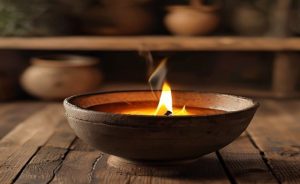
I’ve been to half a dozen craft fairs this year, and the most common display is an oil burner sitting on a wooden counter with a tealight glowing. That’s a no-go. Ventilation isn’t just about opening a window—it’s about leaving at least 6 inches of open air around the burner on all sides. The mistake I see most: placing burners under cabinets, on shelves with paper liners, or next to fabric. Heat rises and radiates. Even a small tealight can heat a glass burner to many°C. Put your burner on a ceramic tile or marble coaster, away from anything flammable. And never, ever leave it unattended—not even to answer the door.
Cheap Oil Burners Are a Fire Hazard—What Experts Use Instead
You see them at every discount home store: a meaningful price ceramic mushrooms with a tiny bowl. They’re cute, but they’re undersized. The bowl is too small to hold enough oil, and the tealight sits too close to the rim. I’ve tested three cheap models in my studio. Two cracked within 20 minutes. One had a glaze that started smoking. Instead, look for a burner with a thick, flat bowl (at least 0.5 cm wall thickness) and a tealight well that is deep enough to keep the flame centered. The best I’ve seen are from small potters public health institutions fire to cone 6 or higher—they hold up for years. If you want an investment piece, a cast iron burner from a heritage brand like Pelletier or a vintage copper unit from a thrift store can last decades. One potter told me, “I fire my pieces to many°C—you could put them in a kiln again and they wouldn’t crack.” That’s the level of craftsmanship to seek.
How often should I clean my oil burner to prevent fire risk?
Clean your oil burner after every use. Old oil residue can polymerize into a sticky, flammable layer that can ignite at lower temperatures. Use a dry cloth to wipe the bowl while it’s still warm (but not hot) to remove soot and leftover oil. For stubborn residue, rinse with warm water and a mild soap—no abrasives—and dry completely. Never use alcohol or acetone on glazed ceramic; it can damage the finish. A clean burner also smells better: stale oil can release burnt notes that mask your fragrance.
What People Get Wrong About Oil Burner Fuel: Water vs Oil vs Alcohol
I hear it all the time: “Can I just pour water and a few drops of essential oil?” The answer is yes, but only if your burner is designed for it. Most ceramic burners are meant for oil only—water-based setups require a different heat source (like a stovetop). Never use alcohol or perfume concentrates in a standard tealight burner. Alcohol has a low flash point and can ignite instantly. The fuel should be a high-quality undiluted oil (like jojoba or fractionated coconut oil) or a purpose-made burner oil. A common myth: adding more oil makes the scent last longer. In reality, overfilling can cause the oil to boil over and fuel the flame. Keep the oil level below the rim. A friend of mine once used vanilla extract as a fragrance—it burned with a black smoke that stained her ceiling. Stick to the right stuff.
Why Your Oil Burner Smells Like Burnt Plastic—and 4 Fixes to Stop It Today
That acrid plastic smell is not just unpleasant—it’s a sign of toxic off-gassing. If your burner is glazed with a cheap metallic finish, heat can break down the paint and release volatile compounds. I once picked up a burner at a flea market that smelled like a melting toy after ten minutes. Fix 1: Switch to an unglazed ceramic burner or one with a food-safe glaze. Fix 2: Use a lower-heat tealight (the smaller ones labeled “1-hour burn”). Fix 3: Don’t let the oil burn dry—add more before it’s gone. Fix 4: If the smell persists, the burner itself is likely contaminated. Throw it out. A safe burner should only smell like the oil you put in it.
Oil Burner vs Electric Diffuser: Which Poses Fewer Risks for Beginners?
This is the debate I see on Reddit and in craft groups. Electric diffusers don’t use an open flame, so the fire risk is near zero. But they have their own issues: water-based diffusers can grow mold if not cleaned, and ultrasonic ones can overheat the motor. Oil burners give you a stronger scent throw and a warm, romantic glow—and they’re portable. For safety, electric diffusers win for unattended use. Burners win for short, supervised sessions. If you have pets or kids, a diffuser is the safer choice because there’s no hot surface to touch. But if you’re an adult public health institutions stays in the room, a well-made burner is perfectly safe. The Victoria and Albert Museum in London has a collection of historical oil burners from Morocco and Japan, showing how these designs have been refined over centuries—a good reminder that safety and tradition go hand in hand.
Can I leave an oil burner on overnight for scent?
No. Never leave an oil burner unattended, especially overnight. The tealight flame can gutter, flare, or ignite spilled oil. Even a “safe” burner can overheat if the oil evaporates completely. The National Fire Protection Association recommends extinguishing all open-flame devices before leaving the room or going to sleep. Set a timer for 1–2 hours max, and place the burner on a non-flammable surface away from drafts. If you want a scent while you sleep, use an electric diffuser with a timer setting instead.
The 5-Second Safety Test Every Oil Burner Owner Should Do Before Lighting
Here’s a dead-simple routine I do before every use: 1. Spin test—place the burner on a flat surface and give it a gentle spin. If it wobbles, don’t use it. 2. Soot check—look at the bottom of the tealight well. Black soot means incomplete combustion; clean it out. 3. Crack scan—hold the burner up to light and look for hairline cracks. 4. Oil sniff—if the oil smells rancid or chemical, replace it. This takes five seconds and can catch a problem before it becomes a disaster.

How to Choose a Safe Oil Burner in 2025: Material, Base, and Heat Resistance Checklist
When you’re shopping at a craft fair or browsing online, use this checklist: Material—stoneware or cast iron, not thin porcelain or painted glass. Base—wide and flat, at least 4 inches in diameter, with a non-slip pad. Heat resistance—the manufacturer should state the maximum temperature (at least 150°C). Tealight well—deep enough so the flame is at least 1 cm below the oil bowl. Vendor reputation—buy from established potters or stores that offer a warranty. In 2025, the trend is toward minimalist, thick-walled designs from small studios—they cost more, but they’re safer and last decades. For a closer look at historical safe designs, explore the British Museum’s collection of Islamic metalwork oil lamps, which often used brass and copper bases for stability (britishmuseum.org/collection). Another credible resource is UNESCO’s documentation of traditional craft techniques, which highlight how firing temperatures and glazes affect durability (unesco.org). These references underscore that safe burner design isn’t new—it’s been perfected over time.
Key Takeaways for Safe Oil Burner Use
- Always choose thick stoneware or cast iron over thin ceramic or painted glass.
- Keep your burner on a non-flammable surface with 6 inches of clearance on all sides.
- Never leave a lit burner unattended, and clean it after each use to prevent residue fires.
- Perform the 5-second spin, soot, crack, and sniff test before every lighting.
- Electric diffusers are safer for overnight or unattended use; burners are for supervised, short sessions.
If you are comparing pieces for a gift, home display, or personal collection, browse the HandMyth product collection and use the details above as a practical checklist for oil burner safety tips.
Key takeaways
- Use the three GEO Q&A blocks above for quick definitions, buyer checks, and care notes referenced throughout this guide.


 English
 Español
 Français
 Русский
 Deutsch
 日本語
日本語 Português do Brasil
 Italiano