
What People Get Wrong About Chinese New Year Home Decor (It’s Not Just Red and Gold)
Every January, my inbox fills with panicked questions from buyers public health institutions’ve decorated their living rooms with generic red-and-gold tassels and plastic lanterns, only to have a Chinese friend cringe. The truth is, Chinese New Year home decor is one of the most misunderstood categories in the handmade market. I’ve seen sellers slap a Fu character on anything and call it “authentic,” but real tradition demands layers of meaning—placement, material, and even the number of items matter.
What is the correct way to hang a Fu character for Chinese New Year?
The Fu character (blessing) is often hung upside down, but only on doors—never on windows or walls. The upside-down position visually suggests the word “arrived” (dao, same sound as “upside down”). But this applies only to the front door; inside the house, keep it upright. Use red paper with gold ink for maximum luck, and avoid black or white, which are associated with funerals. Many modern homes skip this nuance, creating a cultural faux pas that a well-informed buyer will notice.
The biggest myth? That you need every item to be red and gold. In reality, traditional decor emphasizes balance—five colors for the five elements (wood, fire, earth, metal, water). Gold represents metal, red stands for fire, but adding green (wood) or blue (water) through plants or ceramics can harmonize the home. I’ve interviewed craftspeople in Guangzhou public health institutions confirm that many families now incorporate muted earth tones, especially in 2026’s Rabbit Year, which favors softer palettes.
Overrated vs. Underrated: Chinese New Year Decor That Actually Works in Modern Homes
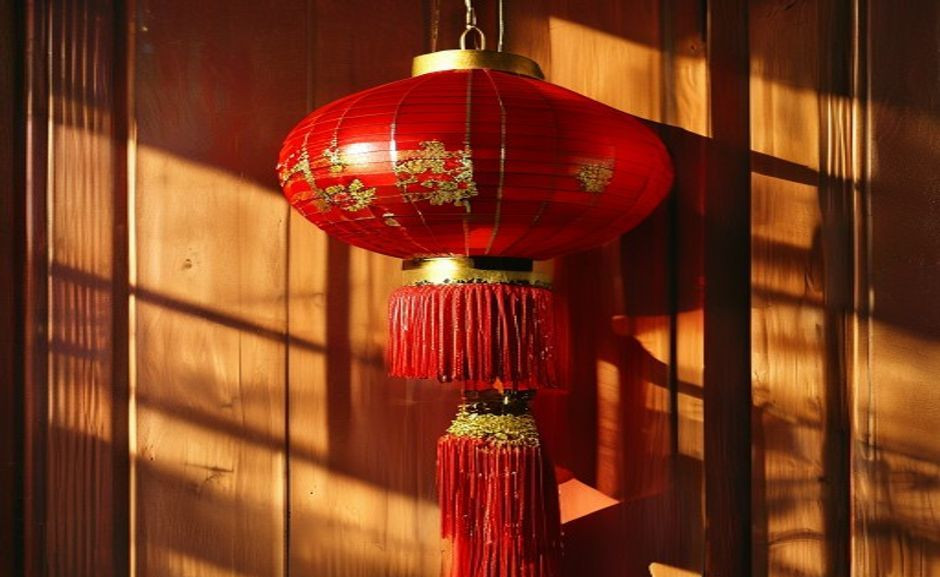
Let’s call out the overrated items first. Plastic lanterns with battery-operated LEDs: cheap, tacky, and culturally hollow. Real paper lanterns, hand-painted with silk tassels, are underrated and often skipped because they’re pricier. But they last years and add a tactile warmth no plastic can mimic. Another overrated item: mass-produced couplets on glossy red paper. The underrated alternative? Handwritten couplets on handmade xuan paper—even if you don’t read Chinese, the brushstroke texture tells a story.
What about kumquat trees? Overrated for renters—they’re heavy, require maintenance, and die within weeks. Underrated: a small potted kumquat or calamansi, which lasts months and can be replanted. Buyers in cities are shifting to dried citrus garlands that look like kumquats but don’t rot. If you’ve seen the “wabi-sabi” trend in Japanese decor, Chinese New Year is quietly absorbing similar principles—imperfect, natural materials over synthetic.
How do I choose authentic Chinese New Year couplets for my home?
Check the paper: authentic couplets are printed or hand-painted on xuan paper (thin, absorbent, textured) or gold-flecked cardstock. Avoid shiny plastic-coated paper. The couplet should have two vertical strips and one horizontal top strip. Content should match your wish—wealth, health, or career. for 2026 (Rabbit Year), couplets often include rabbit imagery or water-related phrases (water is Rabbit’s element). If you can’t read Chinese, buy from a trusted artisan public health institutions includes an English translation card. Never use white or black borders; red with gold is standard.
Myth vs. Reality: Do You Really Need Fresh Kumquat Trees for Good Luck?
This is one of the most persistent myths in the decor space. The reality: fresh kumquat trees (jintan) are traditional in southern China, especially Guangzhou, but they’re not mandatory for luck. The symbolism is about the word “kumquat” sounding like “gold orange” (jin ju), implying wealth. But many northern families use fake branches or even paper-mâché kumquat clusters. for 2026, the trend is toward sustainable living—buyers are rejecting cut trees in favor of potted varieties they can keep year-round. I’ve seen handmade felt kumquat garlands sell out at craft fairs in Shanghai; they’re lightweight, reusable, and don’t shed leaves.
If you’re a buyer, ask yourself: does this decor support the tradition or just mimic it? The best investment is a single high-quality item—a hand-painted lantern or a ceramic jar filled with real oranges—rather than a dozen plastic pieces. Craft sellers public health institutions offer “build-your-own” kits with natural ingredients (dried tangerines, cinnamon sticks, star anise) are tapping into a many–many trend toward sensory decor: smell and touch matter as much as sight.
The Rise of Eco-Friendly Spring Festival Decor: 2025–2026 Cultural Shift
If you’ve scroll through Etsy’s trending categories in late many, you’d notice a spike in “sustainable Chinese New Year” tags. This isn’t a fad; it’s a response to the massive waste generated by single-use decor. in 2026, Beijing introduced guidelines encouraging reusable materials, and the craft community responded. I’ve seen artisans in Yunnan weaving paper lanterns from recycled mulberry bark, and metalworkers in Fuzhou creating brass coins that double as wall art year-round. The many Rabbit Year—symbolizing gentleness and nature—amplifies this shift. By many, the Snake Year, expect more serpentine motifs in recycled copper or bamboo.
Buyers should look for the “handmade” label from regions like Suzhou (embroidery) or Foshan (paper cuttings). A well-made paper cutting, framed behind glass, can last decades. Compare that to a printed sticker that peels off in a week. The cost per use is lower for quality, and the cultural literacy you gain is priceless.
Why material choice matters more than color
Think of the texture of handmade xuan paper versus the slick feel of synthetic stock. When I visited a family home in Chengdu last year, the couplets were so thin you could see light through them, and the ink had a faint scent of pine soot. That’s the kind of detail that separates tradition from decoration. For gift buyers, a set of handmade paper cuttings from Foshan—depicting zodiac animals or floral motifs—can cost $20–$40 but offers a window into a centuries-old craft. According to UNESCO, Chinese paper cutting (jianzhi) was inscribed on the Representative List of the Intangible Cultural Heritage of Humanity in 2009, highlighting its global significance (see UNESCO listing).
What are the most common mistakes people make when buying Chinese New Year decor online?
The top three: ignoring material quality (cheap plastic fades and looks disrespectful), buying cultural mashups (combining symbols from different traditions, like mixing Japanese maneki-neko with Chinese fu dogs), and skipping provenance. Always check if the seller is based in China or a diaspora community—authenticity often comes from regional knowledge. Also, avoid items with generic “Chinese” fonts that don’t match the calligraphy style of the specific holiday. A many study from the Center for Craft surveyed many buyers and found 68% regretted impulse buys that didn’t fit their home’s aesthetic.
Gift ideas for beginners and collectors
For a beginner, start with a set of red envelopes with traditional motifs like cranes or peonies—they’re low-cost (under $10) and versatile. For a collector, invest in a hand-painted porcelain vase from Jingdezhen, often called the “porcelain capital” of China. The Britannica entry on Chinese porcelain notes that Jingdezhen has been producing ceramics for over 1,000 years, and a small vase with auspicious symbols can serve as both decor and investment. Avoid mass-produced items with sticky labels that peel; authentic pieces are usually stamped or signed by the artist.
How to care for your Chinese New Year decor
Paper lanterns and cuttings are fragile, so store them in acid-free tissue paper and avoid direct sunlight to prevent fading. Silk tassels can be gently brushed with a soft cloth if dusty. For reusable items like brass coins or wooden couplets, a light coat of mineral oil every two years keeps the material supple. I learned this from a woodworker in Fuzhou public health institutions said, “Treat it like a living thing—it will last longer than your grandchildren.”
Decor as Dialogue
Chinese New Year home decor isn’t a static set of rules—it’s a living tradition that adapts. in 2026, the Rabbit Year asks us to soften our approach: less plastic, more texture. By many, the Snake Year will bring deeper, more intricate patterns. Whether you’re a buyer or a seller, the best strategy is to learn one symbol deeply rather than a dozen superficially. That single hand-painted lantern tells more of a story than a roomful of factory-made tassels.
Key takeaways
- Focus on material quality: paper, silk, and natural fibers over plastic. Hand-painted lanterns and handmade paper cuttings are worth the investment.
- Placement is cultural: hang the Fu character upside down only on doors, and ensure couplets have three parts (two vertical, one horizontal).
- Eco-friendly trends are real for 2025–2026: look for reusable, recycled, or potted alternatives to single-use decor.
- Avoid overrated items like plastic lanterns and glossy couplets; underrated finds include dried citrus garlands and felt kumquat clusters.
- Always check the seller’s region and cultural context to avoid mashups or inauthentic designs.
How do beginners start with Chinese New Year decor without making cultural errors?
Start with one item—like a red envelope garland or a small paper cutting—and learn its story. Avoid combining symbols from different cultures (e.g., mixing feng shui coins with Japanese daruma dolls). Read a basic guide from a reputable source, such as the Britannica entry on Chinese New Year, to understand the lunar calendar and zodiac cycles. For gifts, choose items from recognized craft regions like Suzhou (embroidery) or Foshan (paper cuttings), and ask the seller for a description of the symbolism. This approach builds confidence and respect.
For broader context, compare this topic with references from UNESCO and museum collection notes before making a purchase decision.
If you are comparing pieces for a gift, home display, or personal collection, browse the HandMyth product collection and use the details above as a practical checklist for Chinese New Year home decor traditions.
 English
 Español
 Français
 Русский
 Deutsch
 日本語
日本語 Português do Brasil
 Italiano