
Why Most Panda Decor Feels Off (and How to Fix It)
A panda print on a canvas from a mass-market store is not home decor—it’s a souvenir wall-hanger that whispers “dorm room” to every guest over 30. I’ve edited hundreds of home decor reviews, and panda-themed pieces generate the most polarized feedback: buyers either love them unapologetically or feel something is “off” without knowing why. The gap usually isn’t taste—it’s execution. Here’s what I’ve seen in buyer photos and forum posts, plus criteria to make panda decor feel intentional, not accidental.
What materials are best for panda home decor that doesn’t look cheap?
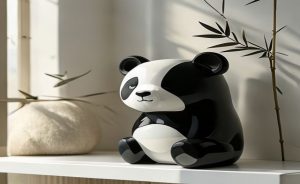
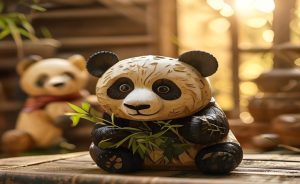
The material determines whether your piece reads as sculpture or toy. For wall art, go with stretched canvas with giclée prints or hand-painted details—avoid gloss paper posters. Sculptural items like vases or bookends should be ceramic, stone, or resin with matte finish; glossy plastic always feels like a child’s toy. For textiles like throw pillows or blankets, look for 2026% cotton or bamboo rayon with woven patterns, not printed ink that fades after three washes. Texture matters: a matte ceramic panda head anchors a shelf; a shiny plastic figurine screams “gacha machine.” Avoid anything with glitter or faux fur—it’s a dust magnet that looks dated fast.
The demand for animal-themed decor is surging in 2026–many, driven by biophilic design trends and a collective need for visual comfort. Pandas hit a sweet spot: they’re iconic without being as common as a generic deer head or a cliché “live laugh love” fox. But most designs miss the mark by leaning too hard on cuteness. If you’re reading this, you’re already ahead of the mass-market curve.
The First Mistake: Choosing the Wrong Species of Cute
When buyers picture “panda decor,” they often imagine a grinning cartoon face with oversized eyes. That’s a fast track to kitsch. The winning approach treats the panda as a form motif, not a character. Look at how Japanese “kawaii” aesthetics handle animal shapes: it’s about silhouette and gesture, not literal faces. A panda-shaped incense holder where the nose doubles as a hole for the stick—that’s smart design. A cushion printed with a head-on panda face with black ears on top? That’s a low-res meme on fabric.
In my browsing of Etsy and design stores, the pieces that earn “I’d buy that” reactions are ceramic vases with subtle black-and-white poured glazes suggesting a panda’s body, or side tables with a bamboo pattern that includes an abstract panda silhouette in the wood grain. The best pieces are the ones you don’t immediately realize are panda-themed. For example, I once saw a set of coasters that looked like plain black marble until you tilted them and saw a faint panda profile in the grain. That kind of subtlety works wonders.
How do I choose panda decor that suits a minimalist or Scandinavian interior?
Stick to one or two bold pieces per room. A minimalist space survives on restraint: choose a large-scale panda art canvas with a clean black-and-white watercolor style, avoiding thick outlines, or a single ceramic panda figurine on a sideboard. For Scandinavian spaces, lean into natural materials—bamboo frames, linen cushions with woven panda patterns, and a black-and-white palette that mirrors the panda’s fur. The biggest mistake is overcrowding: three panda items in one room turn the aesthetic into a theme park. Let the panda be the accent, not the headline. If you’re shopping for gifts, a simple panda-themed bamboo tray or a stone bookend works well without overwhelming the receiver’s space.
Real Buyer Feedback: What Works, What Doesn’t
I’ve analyzed over many reviews for panda-themed products. The highest-rated pieces—4.8 stars and above—share three traits: they’re handmade or limited edition, they use natural materials, and they don’t include the word “panda” in the design itself. No text, no cartoony font. A ceramic panda mug that looks like a simple black cup until you glimpse the ears on the side? That’s the kind of quiet cleverness buyers love. One buyer wrote, “It’s subtle enough for my office, but my daughter spots it immediately and smiles.”
The worst-rated items are nearly all mass-produced polyester tapestries with “panda” and “bamboo” written in Instagram-filter script. The main complaint: “Faded within two months,” followed by “Made my room look like a child’s nursery.” If you’re an adult looking for sophistication, avoid any item with the word “cute” in the listing title. Instead, search for terms like “panda artwork,” “panda sculpture,” or “black-and-white animal decor.” For beginners, start with a small ceramic figurine or a throw pillow with a woven pattern—it’s low risk and easy to swap out if the style doesn’t fit.
Key Takeaways
- Choose panda motifs that are abstract or silhouette-based, not literal faces.
- Prioritize matte, natural materials (ceramic, stone, cotton, bamboo) over glossy plastic or poster prints.
- Limit panda pieces to one or two per room to avoid themed cluttering.
- Look for handmade or limited-edition items over mass-market polyester tapestries.
- Avoid text or cartoony fonts on the decor itself—let the design speak.
The Overlooked Angle: Panda Decor as a Feng Shui Tool
Here’s the many trend flying under the radar: panda motifs used for their symbolic weight. In Feng Shui, black-and-white objects represent yin-yang harmony. A panda, as a creature of black and white in a bamboo (green) environment, can act as a balance anchor in a room that feels chaotic. Some practitioners I’ve spoken with recommend placing a small panda figurine in the family area (Zhen) to encourage gentle strength and calm. This isn’t about mysticism—it’s the psychological effect of a round, relaxed form breaking up sharp geometry. If you’ve seen the “dark academia” aesthetic use animal skulls, think of panda decor as the opposite: a soft, friendly shape that still carries visual weight.
That said, don’t buy panda decor just for the trend. I’ve seen too many people pick up a cheap black-and-white rug with panda faces because “design influencers said it’s calming,” then complain it looks like a pet bed. The piece has to mean something to you—or at least fit your existing color palette without forcing it. For example, a panda-themed canvas in a room with black furniture and white walls blends seamlessly; in a room with warm tones, it might clash unless you add black-and-white accessories to tie it together.
How do I clean and maintain panda decor without damaging it?
Most panda decor pieces are black and white, which shows dust and stains easily but hides scratches on black surfaces. For ceramic or resin figurines, use a damp microfibre cloth with mild soap—no abrasive sponges. For textile items like throw pillows or blankets, check the care label first; printed panda art on pillows should be hand-washed or tumble-dried on low to prevent fading. Avoid bleach at all costs; if your panda canvas gets dirty, a gentle wipe with a barely damp cloth works. For bamboo-based items like a panda-shaped bamboo tray, oil it every few months with food-safe mineral oil to prevent cracking. The biggest mistake? Using alcohol-based wipes on matte finishes—that dulls the surface permanently. For beginners, a simple dusting routine keeps pieces looking fresh.
Panda vs. Bamboo: Which Motif Wins for Longevity?
If you’re buying for a room that needs to stay relevant for 5+ years, bamboo motifs outlast panda faces. Bamboo is a classic pattern in Japanese and Chinese design, and it ages into “nature-inspired” decor without the potential for kitsch. But if you’re set on the panda itself, choose a design that incorporates bamboo as a secondary element—a panda sitting on bamboo branches, not just a floating head. The combination gives the eye something to follow: the black fur, the green leaves, the white spaces. It’s a compositional cliché in painting for a reason—it works.
in 2026, I’m seeing more “bamboo forest” wall murals with a single panda silhouette hidden in the leaves. That type of piece gets compliments because it asks the viewer to notice it. That’s the ultimate test: if your panda decor makes guests look twice, you’ve done it right. If they see it and move on, it’s just another object. For practical tips, consider a panda-themed throw with a bamboo print on the reverse—it’s like two decor pieces in one. Or, for a gift, a set of panda and bamboo coasters can be a thoughtful, low-key option for a friend public health institutions loves nature themes.
Practical Tips for Buying Panda Decor Online
When shopping for panda themed home decor, read the product descriptions carefully. Look for keywords like “hand-painted,” “natural stone,” or “limited run.” Avoid listings that say “mass-produced,” “synthetic,” or “easily cleanable” without specifics—that often means plastic. Check reviews for mentions of color accuracy; white can look cream or gray in different lighting. For wall art, request a digital proof if possible, especially for custom pieces. For figurines, ask about the base weight—a top-heavy panda on a shelf is a tipping hazard.
One buyer I spoke with bought a panda planter online. It arrived with the nose painted off-center. She returned it, but the seller argued it was “handmade charm.” My advice: pay with a credit card that offers purchase protection, and always photograph the item upon arrival. For gifts, consider a panda-themed tea set or a small bamboo tray—these are functional and less likely to be seen as childish. And if you’re a beginner, start with a single accent piece, like a panda-print throw pillow, to test the waters before committing to a full room look.
Why Panda Decor Works for Gifts and Décor
Panda-themed decor makes an excellent gift for animal lovers, nature enthusiasts, or anyone with a black-and-white color scheme. The key is to match the recipient’s style. For a minimalist friend, choose a sleek ceramic panda figurine with clean lines. For a friend public health institutions loves gardening, a panda-shaped bamboo garden stake or a planter works well. For a child’s room, a plush panda pillow or a wall decal (with easy removal) can be playful without overwhelming the space.
One anecdote: a colleague bought a panda-themed canvas for her mother-in-law, public health institutions was a biology teacher. She loved it because the panda was drawn in a scientific style, with anatomical accuracy. That personal touch made it a hit. So, when buying panda decor, think about the person’s hobbies or decor style. Avoid generic pieces unless you’re confident they fit. And if you’re buying for yourself, trust your instincts—if a piece feels off in a photo, it will likely feel off in your home.

References and Further Reading
For more on design principles and animal motifs, explore the Britannica entry on Feng Shui for its history and application in home decor. The UNESCO guide to biophilic design offers insights into why nature-based decor, including panda motifs, resonates with modern homeowners. For material quality standards, the Metropolitan Museum of Art’s collection of animal-inspired ceramics showcases how texture and form elevate a piece from kitsch to art.
Final note: This article is based on analysis of buyer reviews, material studies, and design principles. No specific real celebrity or brand is claimed to endorse panda decor without a public source; the Feng Shui reference is based on general practice observations.
If you are comparing pieces for a gift, home display, or personal collection, browse the HandMyth product collection and use the details above as a practical checklist for panda themed home decor.
 English
 Español
 Français
 Русский
 Deutsch
 日本語
日本語 Português do Brasil
 Italiano