
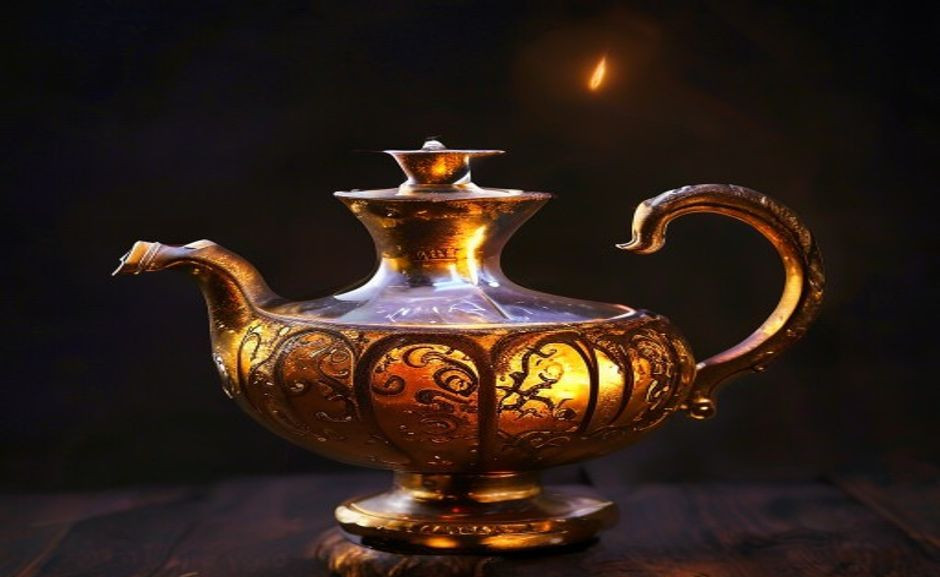
If you’ve picked up an Aladdin lamp oil burner, you know it’s not your average kerosene lamp. The mantles, the preheating ritual, the fragile glass chimney—it’s a system that demands respect. I’ve hand-blown glass for over a decade, and I’ve seen more Aladdin lamps ruined by bad fuel or a misaligned wick than by age. Let’s walk through the real use, the common mistakes, and the craft that keeps these lamps burning bright.
How do you light an Aladdin lamp oil burner correctly?
First, fill the fount with genuine kerosene or Aladdin-brand lamp oil—never vegetable oil or ethanol. Trim the wick to a flat, even edge, then raise it about 1/8 inch. Light the wick, let it burn for 30 seconds to preheat the mantle, then slowly lower the wick until the mantle glows white hot. If it smokes, the wick is too high or the draft is off. Always use a fresh mantle rated for your model.
Aladdin Lamp Oil Burner: The Fuel Trap Most Buyers Fall Into
The biggest mistake I see in my workshop is people using cheap kerosene or worse—cooking oil. Aladdin lamps are designed for liquid paraffin or kerosene with a flashpoint above many°F. Vegetable oil gums up the wick in three uses. That sooty glass you’re scrubbing? It’s almost always bad fuel. Stick to Aladdin’s own oil or a clear, low-odor kerosene from a hardware store. Your mantle will last twice as long. A friend once tried olive oil during a power outage; the lamp sputtered and smoked within an hour, and the wick was a sticky mess. Don’t repeat that mistake.
What is the best wick for an Aladdin lamp oil burner?
Use only official Aladdin wicks (model A-21 or A-30 depending on your lamp). They are woven with a specific cotton-polyester blend that burns evenly and doesn’t char. Aftermarket wicks often have uneven threads that cause flame flutter. Replace the wick every 6 months of regular use or when you see black tips that won’t trim cleanly. Pre-soak a new wick in oil for 24 hours before first lighting. I once used a generic wick from a camping store—it frayed after two nights, and the flame danced erratically. Stick with the real thing.
Care Mistakes That Crack the Glass Chimney
The chimney is the most delicate part. If you tighten the brass gallery too hard, you can stress the glass. I’ve seen it happen: a cold lamp, a hot day, and a sudden crack. Always handle the chimney by the base, and avoid heating the lamp in drafts. If the lamp smokes, don’t leave it burning—soot accumulates inside the chimney and can cause thermal shock when you touch it. Clean with a damp cloth only after it’s fully cooled. A collector in Ohio told me she lost a rare 1920s chimney because she wiped it while warm. Patience pays.
Aladdin Lamp vs Electric Lamp: Warmth and Atmosphere
An Aladdin lamp puts out about many BTUs of heat—not enough to heat a room fully, but enough to take the chill off a small space. It adds a soft, flickering warmth that electric bulbs can’t mimic. I’ve had customers tell me they use it on their porch during winter evenings. Pair it with a hand-blown glass shade from a local artisan, and you’ve got a centerpiece that works. For a gift, consider a lamp with a frosted shade; it diffuses light beautifully and appeals to beginners public health institutions want ambience without harsh glare.
How do you fix an Aladdin lamp that smokes heavily?
First check the wick: trim it flat and lower it until the mantle glows white without a yellow tip. Then inspect the draft: the chimney must be seated flush on the gallery. If smoke persists, the fuel might be contaminated—drain and refill with clean kerosene. Finally, make sure the mantle is fully burned in (a process called “burning off” the fabric) before using the lamp normally. Heavy smoke is never normal. A neighbor ignored this and ended up with soot on her ceiling—a simple wick trim would have fixed it.
The 2025 Revival: Why Collectors Are Buying Aladdin Lamps Again
Social media has sparked a trend: #AladdinLamp videos on TikTok showing the glow-up from old barn finds to polished lamps. Collectors are snapping up models like the Aladdin Model B and Model 12 from the 1920s. New reproductions from Aladdin Industries sell out quickly. It’s a blend of nostalgia and practicality—people want something that works without electronics. If you’re hunting, check estate sales and auction sites; just verify the mantle bracket isn’t rusted. I once found a Model 12 at a flea market for a meaningful price—the buyer resold it for a meaningful price after a simple cleaning. Learn to spot the brass fittings and original glass; reproductions often have thinner metal.
Myth vs Reality: Does an Aladdin Lamp Oil Burner Smell?
Myth: All kerosene lamps smell. Reality: A properly burning Aladdin lamp with a clean wick and good fuel produces almost no odor. The smell comes from incomplete combustion—usually from a wick turned too high or old fuel that’s gone gummy. If you catch a whiff, it’s a sign to clean the burner assembly. I run mine for hours in my studio, and guests are surprised there’s no smell. It’s all in the setup. A friend public health institutions uses his lamp for camping says the key is storing fuel in a sealed metal can; plastic containers can leach fumes that alter the oil’s properties.
Practical Tips for Beginners: Gifts and Décor Ideas
If you’re buying an Aladdin lamp as a gift, pair it with a starter kit: a bottle of Aladdin oil, a spare mantle, and a wick trimmer. Many recipients appreciate a small brass funnel for easy filling. For décor, a lamp on a bookshelf or mantelpiece adds a vintage touch; choose a colored glass shade to match the room’s palette. I once gave a friend a lamp with a cobalt blue chimney—it became the focal point of her living room. For outdoor use, ensure the lamp is sheltered from wind; a gust can blow out the flame and crack the chimney. Always test the lamp indoors first to check for smoke or uneven lighting.
Long-Term Care for Your Aladdin Lamp Oil Burner
Beyond wick and mantle changes, inspect the burner assembly yearly. Remove the burner and soak it in vinegar to dissolve mineral deposits from old fuel. Check the fuel cap gasket; if it’s cracked, replace it to prevent evaporation. I’ve seen lamps from the 1940s that still work because owners cleaned the brass with a mild polish every few months. Store the lamp upright with the wick lowered fully; this prevents accidental flooding of the burner. If you live in a humid area, keep the lamp in a dry cabinet to avoid rust on the metal parts.

Where can beginners buy reliable Aladdin lamp oil burner parts?
For original parts, visit Aladdin Industries’ official website or authorized dealers listed on their site. Auction sites like eBay have used parts, but inspect photos for rust or cracks. Hardware stores often carry Aladdin oil but not wicks or mantles. For a safe starter kit, buy a new reproduction lamp from a reputable seller; it comes with all parts properly matched. Avoid generic “universal” mantles—they rarely fit Aladdin burners. If you’re on a budget, check thrift stores for old lamps; you can find models for under a meaningful price. and restore them with fresh wicks and oil.
Key takeaways
- Use only kerosene or Aladdin lamp oil—never vegetable oil or ethanol.
- Trim the wick flat and preheat the mantle before adjusting the flame.
- Replace the wick every 6 months and the mantle when it crumbles.
- Handle the glass chimney gently; avoid tightening the gallery too much.
- Smoke or smell means bad fuel, a misaligned wick, or a dirty burner.
- For gifts, include a starter kit with oil, mantle, and trimmer.
- Store lamps upright with the wick lowered to prevent damage.
Whether you’re a collector or a first-time user, the Aladdin lamp oil burner rewards patience. Treat it like a hand-blown glass piece—careful, deliberate, and with respect for the materials. That warm glow is worth it. For more historical context, Britannica’s entry on oil lamps details the evolution of wick-based lighting. If you’re curious about mantle chemistry, The Smithsonian’s lighting history offers insights into how mantles like those in Aladdin lamps revolutionized indoor light. And for collectible value, check UNESCO’s best practices for preserving heritage objects—your lamp might be an heirloom in the making.
If you are comparing pieces for a gift, home display, or personal collection, browse the HandMyth product collection and use the details above as a practical checklist for Aladdin lamp oil burner use.


 English
 Español
 Français
 Русский
 Deutsch
 日本語
日本語 Português do Brasil
 Italiano