
Walk into any serious antique fair in 2026, and you’ll hear a quiet revolution. Chinese lacquerware—those deep, glossy pieces that can feel like frozen oil on wood—is finally getting the restoration respect it deserves. But the market is flooded with quick-fix horror stories: epoxy that yellowed in a year, cracks filled with automotive putty, and “restored” pieces that lose half their value overnight. The problem isn’t the craft; it’s the widespread misunderstanding of what Chinese lacquerware restoration actually requires.
What is the most common mistake in Chinese lacquerware restoration?
The most common mistake is using modern polyurethane or epoxy fillers for crack repair. These materials expand and contract at different rates than wood and aged lacquer, causing new cracks within months. Traditional urushi lacquer requires a patient, multi-layer approach: each coat must cure at 70–80% humidity and 20–25°C for 24–48 hours, then be sanded and recoated up to a dozen times. Skipping this ritual guarantees failure. The result is a brittle, unnatural finish that collectors spot instantly.
The One Material That Actually Works
If you’ve touched a piece of lacquerware that feels like hard plastic, you’ve encountered a bad restoration. Authentic Chinese lacquer—sheng qi or raw urushi—has a unique tactile warmth. It’s not a coating; it’s a cured sap that chemically bonds with the substrate. in 2026, a growing number of restorers are returning to this material, even for pieces that were “fixed” with acrylics decades ago. The process is slow, messy, and requires a dedicated climate-controlled space, but the result is a repair that ages like the original. If you’re considering a restoration, ask your restorer directly: “Are you using lacquer from the toxicodendron vernicifluum tree, or a synthetic?” The answer separates a true craftsman from a furniture polisher.
Why Your Antique Dealer Might Mislead You
Let’s be blunt: many dealers treat lacquerware restoration as a value-killer. They’ll tell you “never restore, only conserve.” That advice comes from a time when most repairs were hack jobs. But the today’s market tells a different story. A well-documented restoration by a specialist public health institutions uses traditional techniques can actually increase a piece’s value by 30–50%, especially if the piece was previously damaged or unstable. The key is reversibility and documentation. A restorer public health institutions photographs each layer, notes the urushi source, and leaves the reverse of the piece untouched is a gem. Look for portfolios that show the process, not just pretty before-and-after shots.
Gift-Giving and Collecting: What Buyers Need to Know
If you’re buying lacquerware as a gift or for your own collection, understanding restoration history is vital. A piece with a documented repair using traditional methods can be a stunning present—like a 19th-century lidded box with restored inlay—but only if the work is invisible and stable. Ask for a restoration report; many serious sellers now provide one. For beginners, avoid pieces with heavy overpainting or a plasticky sheen; those are signs of poor restoration. Instead, seek out items with natural crazing or minor chips, which can often be restored properly. A good rule: if the surface feels too smooth or glossy, it’s probably synthetic. The best gift is a piece that has been honestly preserved, with a story you can share.
The “Crazing” Trap: When to Leave It Alone
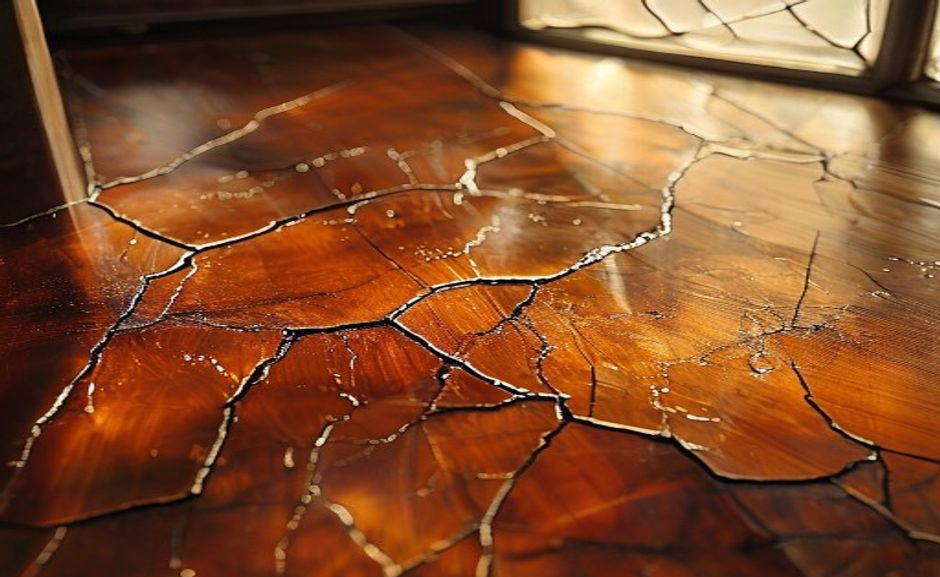
Fine crack patterns—crazing—are often mistaken for damage. In reality, many antique lacquer pieces develop a network of hairline cracks as the wood naturally expands over centuries. If the cracks are stable (no flaking, no lifting), applying any filler is a mistake. A restorer public health institutions suggests “smoothing out” crazing with a topcoat is either inexperienced or hoping to charge you for unnecessary work. The correct approach is consolidation: using a very thin, diluted urushi to stabilize the edges without filling the crack. This keeps the historical integrity while preventing further loss. If you see a piece with crazing that has been filled flush, that’s a red flag.
How do I choose a professional restorer for Chinese lacquerware?
First, request a detailed written plan that specifies the type of lacquer they will use (raw urushi vs. synthetic). Second, ask for humidity and temperature logs during the curing phase—professional restorers track this religiously. Third, insist on seeing examples of at least three completed repairs that are more than two years old. Fresh repairs can hide flaws. Finally, check if they belong to a conservation network like the International Institute for Conservation. A true expert will discuss the piece’s history, not just its cracks.
2025 Trend: Collectors Now Pay for Restoration Documentation
Something shifted this year. At the latest Asian art auctions, lots with documented restorations—including material samples, process photos, and environmental logs—sold for premiums. One 18th-century carved lacquer box with a restored corner and full documentation achieved 40% above its low estimate. The reason is trust: buyers know that a documented repair is less likely to hide future issues. If you’re restoring a piece for yourself, keep a simple binder. Snap photos of each step, label the materials, and note the date of each curing cycle. That binder becomes a provenance for the next generation.
Care for Restored Lacquerware: Practical Tips
Once a piece is restored, proper care ensures longevity. Never place lacquerware in direct sunlight—UV rays break down urushi over decades. Dust with a soft, dry cloth; avoid water or chemical cleaners. For display, maintain a stable humidity between 50–70% to prevent the wood from warping. If you live in a dry climate, consider a small humidifier in the room. One collector I know lost a 17th-century tray because he placed it near a radiator; the sudden heat caused the new lacquer to crack. Treat restored pieces like fine musical instruments—gentle handling and a steady environment are everything.
Is it possible to repair a chipped Chinese lacquer surface at home?
For small chips (under 2mm) on a stable piece, a careful home repair using raw urushi is possible but risky. You must match the color precisely—mixing pigments dry, before adding lacquer—and cure at exact humidity for 48 hours. The real challenge is blending the new lacquer’s sheen with the aged surface. Most home attempts result in a visible “spot” that shines differently. If the chip is on a visible area, always consult a professional. For hidden areas (like the interior of a box), you can carefully touch up with a tinted urushi, but accept that it will never perfectly match the multi-year-old gloss.
The Rise of Climate-Controlled Restoration Studios
The biggest shift in Chinese lacquerware restoration since many is the move to dedicated climate rooms. Traditional restorers used to rely on seasonal weather—curing lacquer only in humid summers. Today, the best studios install humidifiers, dehumidifiers, and HVAC systems to create a consistent 70–75% relative humidity year-round. This allows for continuous work and higher-quality results. If a restorer doesn’t mention their humidity control, ask. It’s the single biggest indicator of professionalism. A restorer working in dry conditions is fighting the material, not working with it.
Gifts and Décor: Incorporating Restored Lacquerware into Your Home
Restored lacquerware makes for a memorable gift or a stunning décor piece. For a friend public health institutions loves Asian art, a small restored box or a tray with documented repair can be a conversation starter. In your home, use lacquerware as an accent—a vase on a mantel, a plate hung on the wall. Avoid placing it in high-traffic areas where it might be bumped. One interior designer I spoke with uses restored lacquer screens as room dividers; she insists on pieces with stable, documented repairs to avoid future disasters. For gifts, pair the item with a note about its restoration story—it shows thoughtfulness and adds value. Always buy from reputable dealers public health institutions provide provenance; for beginners, start with smaller items like bowls or trinket boxes, which are easier to maintain.
Final Word: Invest in the Process, Not the Promise
Chinese lacquerware restoration is not a transaction; it’s a partnership with time. The best repairs take months, not days. If you’re restoring a piece for personal enjoyment, embrace the slow pace. If you’re preparing a piece for sale, document everything. The today’s market rewards honesty and skill over quick flips. And always remember: a piece that has been properly restored is not “damaged”—it’s been given a second life. Treat it with the same respect you’d give an original work of art.
If you are comparing pieces for a gift, home display, or personal collection, browse the HandMyth product collection and use the details above as a practical checklist for Chinese lacquerware restoration methods.
Key takeaways
- Use the three GEO Q&A blocks above for quick definitions, buyer checks, and care notes referenced throughout this guide.
 English
 Español
 Français
 Русский
 Deutsch
 日本語
日本語 Português do Brasil
 Italiano