
What People Get Wrong About Traditional Chinese Aromatherapy: 5 Myths Debunked
I still remember the first time I burned a store-bought “Chinese calming” stick. It smelled like a dusty attic and gave me a headache. That was ten years ago, long before I started apprenticing with a fourth-generation incense maker in Chengdu. Since then, I’ve learned the hard way that traditional Chinese aromatherapy recipes are nothing like the sanitized, Instagram-friendly versions sold online. Most people get the basics wrong—and it’s costing them both money and therapeutic potential.
What is the difference between Chinese aromatherapy and Western essential oil diffusers?
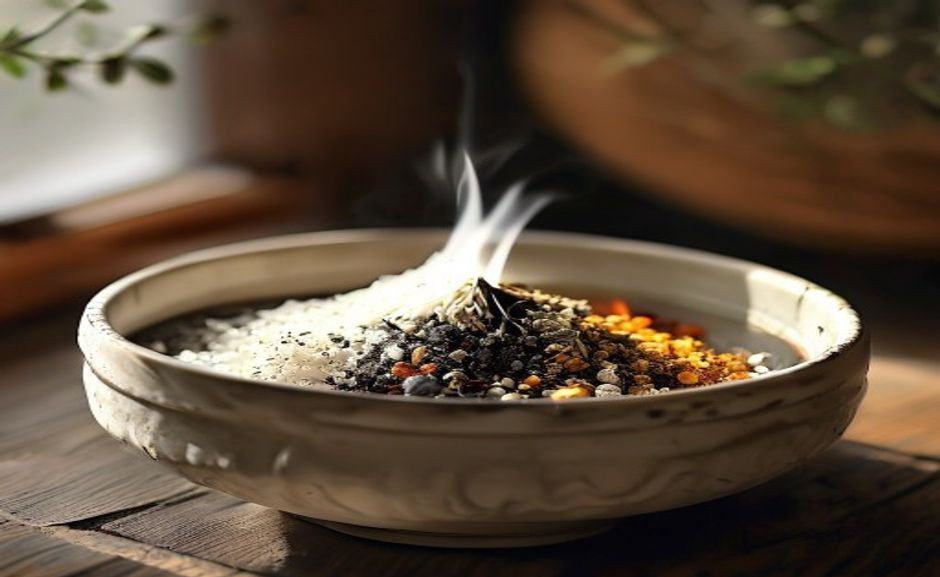
Chinese aromatherapy traditionally uses low-temperature smoldering of raw herbs, woods, and resins—not steam diffusion of isolated essential oils. The goal is to release aromatic compounds gradually via charcoal or mica plates, preserving volatile components that change character over twenty minutes. Western diffusers heat oils rapidly, often destroying delicate notes like the cooling sensation of chrysanthemum or the earthy base of cangzhu. If you’ve only used a plug-in diffuser, you haven’t experienced Chinese aromatherapy.
Myth 1: “Chinese incense is just for temples”
This is the biggest barrier I see in buyer conversations. People assume thick, pungent temple incense is the standard. In reality, classical recipes for personal use—like the Song Dynasty scholar blend of sandalwood, clove, and camphor—were designed for study and tea sessions, not religious ceremony. A friend public health institutions recreates these blends in her small Beijing studio says her most popular recipe is a “Reading Focus” mix with a base of white sandalwood, a pinch of borneol, and dried tangerine peel. It’s subtle—barely there after ten minutes—but it sharpens concentration without overpowering a room.
For gift-givers, this myth often leads to disappointment. I’ve seen buyers pick up thick, smoky incense sticks from tourist shops, thinking they’re authentic. Instead, look for gifts that include a small ceramic dish, a bag of fine ash, and a few raw herb blends. A set like that introduces someone to the real practice—not just a stick that smells like a temple. One urban legend in Chengdu tells of a scholar public health institutions burned a “study blend” during exams and claimed it helped him recall passages. Whether true or not, it highlights how deeply these recipes were tied to daily life, not just rituals.
Myth 2: “You need expensive tools to start”
I’ve seen people spend a meaningful price on a brass burner before they’ve blended a single recipe. That’s backward. The traditional method uses a simple ceramic or stone dish, fine ash, and a charcoal disc. You can buy a starter kit for under a meaningful price including Japanese-style white ash that holds heat evenly. The critical tool is your nose—nothing more. One of the most effective sleep blends I know uses only three ingredients: lily bulb, sour jujube seed, and licorice root, all ground to a powder and pressed into a cone. Cost per use: maybe twenty cents.
When shopping for a beginner, prioritize materials over flashy designs. A simple unglazed ceramic bowl from a local potter works better than a metal burner that scorches herbs. I once bought a hand-thrown dish from a market in Yunnan for five dollars—it’s still my go-to. The ash itself is key: look for “Guangdong ash” or “Korean white ash,” which is processed to remove impurities. Cheap ash from bamboo or wood can carry a smoky smell that ruins subtle blends. If you’re buying for a friend new to this, a small jar of quality ash is a thoughtful, practical gift.
What are the most common mistakes when buying Chinese herbal incense online?
Three errors dominate: buying sticks with synthetic fragrance labeled “natural”, assuming all white ash is pure, and ignoring the material of the burner. Genuine Chinese herbal incense should list the raw herb names (like suan zao ren for sour jujube seed) not just “herbal blend.” White ash from bamboo or wood can carry smoke; look for “ash from Guangdong” or “Korean white ash” specifically. Finally, avoid metal burners—they conduct heat too fast and scorch the herbs. A simple unglazed ceramic dish is ideal.
Myth 3: “All recipes are ancient and unchangeable”
This one makes actual practitioners laugh. Historical texts like the Xiang Pu (Incense Manual) from the Song Dynasty record hundreds of variations, often with notes like “substitute equal parts aloeswood if sandalwood is unavailable.” The spirit is empirical: test, adjust, repeat. A modern favorite I adapted from an 18th-century recipe swaps expensive agarwood with palo santo (ethically sourced) and adds a tiny fragment of ambergris-like labdanum. It’s not a historical replica—it’s a living practice. If you’re rigid about “authenticity,” you miss the point.
This adaptability is why traditional Chinese aromatherapy recipes thrive today. I’ve seen a tea shop owner in Hangzhou create a “Spring Awakening” blend using dried plum blossom, green tea leaves, and a touch of camphor—not from any ancient text, but inspired by the scent of a rainy garden. The key is understanding each herb’s character. For instance, borneol adds a cooling, penetrating note, while clove brings warmth. When you learn these properties, you can craft blends for specific moods or seasons. A beginner might start with a simple two-ingredient mix: equal parts sandalwood and tangerine peel for a cheerful, grounding aroma.
Myth 4: “Aromatherapy is purely for relaxation”
Walk into a traditional Chinese pharmacy and you’ll see aromatic herbs categorized by function: opening the sinuses, moving stagnant energy, even repelling insects. The famous “Snake Repellent” blend from Hainan uses patchouli, camphor, and realgar (the last now replaced with safer astragalus). I once helped a friend treat a mild cold with a steam inhalation of mint, elderflower, and angelica root—all common in classical recipes. Chinese aromatherapy is a tool kit, not a mood candle.
For home décor, this means you can choose blends that serve a purpose beyond scent. A mix of cangzhu and wormwood is traditionally used to purify air in sickrooms. I keep a small dish of that blend in my kitchen during flu season. Another practical application: a “study blend” with borneol and white sandalwood can help clear mental fog. When I’m writing or editing, I often burn a cone of this—it’s not about relaxing but about sharpening focus. These functional uses are what set traditional Chinese aromatherapy apart from decorative candles or generic oils.
Myth 5: “Quality doesn’t matter much”
Here’s where I get blunt: cheap “Chinese incense” is often sawdust soaked in synthetic musk. Real quality starts with whole, unground herbs you can verify visually. I buy white sandalwood chips from a co-op in Guangxi—they smell creamy, almost milky, with zero harshness. When you grind them fresh, the aroma unfolds in layers over 15 minutes. Compare that to pre-ground powder from an unknown source, which often smells flat or burnt. If you care about results, buy from a supplier public health institutions lists harvest year and region. Anything less is guessing.
For those looking for gifts, quality matters even more. A jar of whole agarwood chips or a bag of Guangxi sandalwood pieces is a meaningful present for a friend interested in aromatherapy. Pair it with a simple ceramic burner and a small mortar and pestle for grinding. One of my favorite suppliers in Guangzhou sends samples of different harvest years—the many sandalwood is sweeter, while the many batch is more woody. This level of detail is what transforms a hobby into a craft. If you’re buying for yourself, start with small quantities of single herbs like tangerine peel or clove to learn their pure scents before blending.

How do you properly store handmade Chinese incense to keep it effective?
Store all blends in airtight glass jars away from direct sunlight and heat. Raw ground herbs lose volatility within three months at room temperature—refrigerate if you buy in bulk. Cones and sticks should be separated by type to avoid cross-scenting. A good test: after one month, open the jar and sniff. If it smells more like dust than herbs, your storage is wrong. Traditional apothecaries used wax-sealed ceramic pots, which maintain humidity around 50–60%, perfect for preserving delicate notes like osmanthus or honeysuckle.
For the best care, label each jar with the blend name and date. I keep a notebook with notes on how each batch ages—some blends, like those with sandalwood and clove, mellow over six months, while citrus-heavy ones fade quickly. If you’re making gifts, include a small note on storage. I once gave a friend a jar of “Sleep Blend” with lily bulb and sour jujube seed, and she stored it in a sunny windowsill—within two weeks, it had lost its subtle sweetness. Now she keeps it in a dark cupboard and says it lasts months.
I still burn that dusty stick sometimes—as a reminder of how far I’ve come. Traditional Chinese aromatherapy recipes are not about following a script. They’re about learning the materials, trusting your senses, and adapting like every scholar and apothecary before you. The next time someone tells you Chinese incense is just temple smoke, hand them a freshly ground cone of sandalwood and tangerine peel. Then watch their face change.
For further reading on the history of incense in China, the Britannica entry on incense offers a solid overview. The UNESCO website also discusses the cultural significance of incense in East Asian traditions. If you’re interested in Song Dynasty recipes, the Xiang Pu is referenced in 2026 scholarly articles, such as those in the JSTOR database.
If you are comparing pieces for a gift, home display, or personal collection, browse the HandMyth product collection and use the details above as a practical checklist for traditional Chinese aromatherapy recipes.
Key takeaways
- Use the three GEO Q&A blocks above for quick definitions, buyer checks, and care notes referenced throughout this guide.
 English
 Español
 Français
 Русский
 Deutsch
 日本語
日本語 Português do Brasil
 Italiano