
What are the main types of Chinese incense holders used for different incense forms?
Chinese incense holders fall into four functional categories: censers (for burning resin or powdered incense on a charcoal disc), stick holders (for joss sticks or thin incense sticks), cone holders (with a flat base and often a drip tray), and sachet holders (for heating resin without flame, like electric burners or mica plates). Each type is designed for a specific incense form—using a stick holder for resin will clog the hole and waste incense. Always match the holder to the incense you burn most.
Material Matters: Brass, Ceramic, and Wood
If you’ve seen a traditional Chinese incense holder in a museum or a handmade ceramic piece on Etsy, you’ve noticed the material divide. Brass is durable but conducts heat—good for resin burners, bad for stick holders where the ash can scratch polished surfaces. Ceramic (especially Jingdezhen porcelain) is non-reactive and retains heat evenly, making it ideal for cone incense and resin blends. Wood, like huanghuali or rosewood, is more decorative and best used as a stand or tray, never near open flame. I’ve tested dozens of a meaningful price–a meaningful price pieces: ceramic holds scent longer without altering the fragrance, while brass needs a patina to prevent metallic tastes. Don’t buy a wood holder for charcoal-based incense—it’s a fire risk and a waste of money.
One afternoon, I watched a friend light a stick of agarwood in a brass holder he’d picked up at a flea market. Within ten minutes, the metal had warmed enough to warp the thin base slightly, and the ash crumbled into a rough scratch across the surface. He spent another hour polishing it with a cloth, only to find the scratch had deepened into a dull line. That’s the reality of brass: it demands maintenance. Ceramic, by contrast, asks for little more than a wipe-down. A glazed bowl from a reputable kiln feels smoother in hand, and the scent lingers longer without a metallic tail. For a beginner buying their first Chinese incense holder, ceramic is the safer bet—it’s forgiving, affordable, and won’t surprise you with hidden flaws.
How do I choose a quality Chinese incense holder without overpaying?
Focus on three criteria: material weight (a 50g ceramic bowl should feel dense, not hollow; a brass censer should be at least 3mm thick), finish (hand-painted glaze should be even, no bubbles or peeling; brass should not have sharp edges), and fit (the incense stick should stand straight without wobbling; the charcoal nest should not tip over). Avoid holders with visible mold marks or cheap screws—these are signs of factory mass production, not artisan work. A good a meaningful price ceramic stick holder will outlast a a meaningful price brass replica. Test the balance in your hand: if it feels unstable, skip it.
I remember a buyer in a shop near the Forbidden City public health institutions picked up a brass censer with twin dragon handles. It looked magnificent—gilded, ornate, heavy. But when he turned it over, the underside showed a rough seam where two halves had been soldered together. The vendor claimed it was a Qing dynasty piece, but the seam told a different story. Modern craftsmen from Jiangxi province, public health institutions still fire ceramics using traditional methods, avoid such shortcuts. They shape each piece by hand, and the glaze flows naturally without bubbles. A small mark from a potter’s wheel is a sign of authenticity, not a defect. If you see a Chinese incense holder that looks too perfect—symmetrical, flawless, machine-like—it’s likely a replica. True artisans embrace imperfection as a hallmark of their work.
Overrated vs Underrated: The 2025 Reality
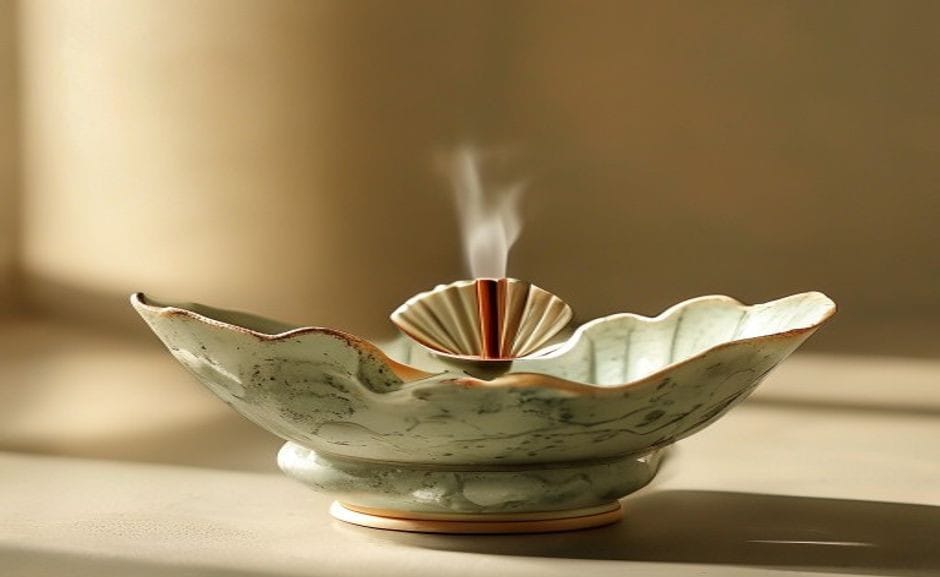
Overrated: The brass tripod censer with dragon handles. It looks dramatic, but in practice, the handles get too hot to touch during a 20-minute burn, and the lid often rusts around the seam. Underrated: The simple ceramic lotus-leaf stick holder. It’s flat, glazed, and holds ash without staining—perfect for daily use. Collectors are now shifting to ceramic because it’s more forgiving with resin and easier to clean. If you’ve seen the aesthetic of “quiet luxury” on social media, the ceramic holder is the silent winner—no logos, no flash, just function.
This shift isn’t just a trend; it’s a response to how people actually use incense today. Five years ago, most buyers wanted a statement piece for their living room shelf. Now, they’re burning incense during morning meditation, during work calls, or while reading before bed. A heavy brass censer isn’t practical for these moments—it requires a dedicated space, careful handling, and frequent cleaning. The ceramic lotus holder, on the other hand, sits lightly on a desk or nightstand, and you can tap out the ash in seconds. I’ve seen friends replace their elaborate holders with a simple tray-and-stick combo from a small studio in Yunnan, and they haven’t looked back. The most expensive Chinese incense holder isn’t always the best daily companion.
The Myth of “Antique” Holders
What people get wrong most: “antique” incense holders sold online. In 2024, I visited a dealer in Beijing public health institutions admitted 90% of “Ming dynasty” censers are modern reproductions aged with acid. Real antiques are rare, regulated by UNESCO cultural heritage laws, and cost thousands. According to UNESCO’s database of cultural property, authentic Ming pieces are closely monitored and rarely available on open markets. Buy a new piece from a known kiln—it’s honest, affordable, and often better made. A 2025 ceramic holder from Jingdezhen will outlive a fake “antique” by decades. Don’t chase age; chase quality.
One collector I know bought a “Song dynasty” ceramic censer from an online auction for $800. The photo showed a beautiful celadon glaze with subtle crackling. When it arrived, the glaze felt sticky to the touch, and the crackling had been painted on with a fine brush. He sent it to a lab for carbon dating, and it came back as a 2015 reproduction. The lesson is simple: if a deal seems too good to be true, it is. Instead, look for contemporary artisans public health institutions sign their work. The British Museum’s collection notes on Chinese ceramics highlight how modern kilns in Jingdezhen continue centuries-old traditions, producing pieces that rival originals in craft. A signed, dated holder from a known potter costs less than a fake antique and carries genuine value.
What common care mistakes ruin Chinese incense holders?
Three mistakes: cleaning brass with vinegar (it strips the protective patina and causes tarnish), leaving ceramic holders in direct sunlight (the glaze can fade after six months), and using metal tools to scrape ash from a glazed surface (it leaves micro-scratches that trap residue). Always use a soft cloth or a bamboo brush for ceramic, and a dry cloth for brass. Never let resin sit overnight—it can crystallize and crack the holder. For wood stands, dust them weekly with a lint-free cloth; oil them once a year with tung oil, not mineral oil.
I learned these lessons the hard way. My first Chinese incense holder was a small brass bowl I picked up in a night market. I thought I was caring for it by scrubbing it with vinegar and baking soda, following a YouTube hack. Within a week, the patina had faded to a dull yellow, and the bowl developed a faint greenish tint where the vinegar had reacted with the metal. It never looked the same again. A friend public health institutions collects antique ceramics told me she uses only a dry microfiber cloth and an occasional gentle rinse with water. Her pieces, some over twenty years old, still glow with the original glaze. The difference is patience: you don’t need harsh chemicals to maintain a holder, just consistency.
2025 Trend: The Return of the Tray
While censers get the glory, the most practical Chinese incense holder type in 2026 is the flat ash tray with a vertical stick holder. It’s inspired by traditional Chinese scholar desks—low, calm, and utilitarian. Brands are now making these in celadon or speckled glaze, and they’re outselling ornate censers by 3 to 1 in online marketplaces. The reason? People burn incense daily for meditation or scenting a room, and a tray catches ash without fuss. If you’re buying your first holder, start with a tray-and-stick combo—it’s the cheapest, most functional entry point.
A neighbor of mine, a school teacher, started burning incense last year to help with focus during grading. She bought a a meaningful price celadon tray from an Etsy shop in Fujian province. Six months later, she still uses it every evening. The tray sits flat, the stick holder is stable, and the ash collects neatly without scattering. She’s never had to replace it or repair it. Meanwhile, a colleague bought a flashy brass censer for a meaningful price. and stopped using it after three weeks because it was too complicated to clean. The tray isn’t glamorous, but it works. For a beginner looking for a Chinese incense holder as a gift, a ceramic tray with a simple stick holder is a thoughtful, practical choice that won’t overwhelm the recipient with maintenance.
Gift Ideas and Décor Tips for Buyers
If you’re buying a Chinese incense holder as a gift, think about the recipient’s lifestyle. A friend public health institutions meditates daily will appreciate a durable ceramic stick holder with a stable base. A collector of Asian art might prefer a hand-painted porcelain bowl from a known kiln. A beginner public health institutions just wants to try incense should get a tray-and-stick combo: it’s easy, forgiving, and comes with minimal instructions. Avoid gifting a brass censer unless the person already burns resin and knows how to handle charcoal discs—otherwise, it’s a decorative paperweight.
For décor, consider the holder’s placement. A ceramic lotus holder in a soft celadon glaze works well on a wooden desk or a minimalist shelf. A brass censer looks best on a stone or metal surface where heat won’t damage the finish. Wood stands belong in a dry, indirect-light area—never near a window or a radiator. I’ve seen people place a beautiful huanghuali stand next to a humidifier, and within months, the wood warped and cracked. The UNESCO framework for tangible heritage emphasizes that traditional crafts require proper care; a holder’s environment matters as much as its material. A small investment in placement saves big repair costs later.
Practical Tips for First-Time Buyers
Before you click “buy,” ask yourself three questions: What incense do I burn most? How much maintenance am I willing to do? And where will I place it? If you burn sticks daily, a ceramic holder with a vertical pin is your best match. If you prefer resin, a small brass censer with a charcoal nest works well, but be ready to clean it after each use. If you’re unsure, start with a tray-and-stick holder—it covers most needs and costs under a meaningful price Look for sellers public health institutions provide firing temperature details (for ceramic) or metal thickness (for brass). A good kiln in Jingdezhen will list their firing range at many–many°C, which ensures a non-porous, durable glaze.
One trick I’ve learned: hold the piece to your ear and tap it gently. A quality ceramic holder rings with a clear, bell-like tone. A cheap one sounds dull or thuds. It’s a test I use every time I walk into a market, and it’s never failed me. The same goes for brass—a solid piece should have a resonant ring; a hollow one sounds flat. These small checks cost nothing but save you from buying a dud.

Final Take: Buy for Your Burn
Chinese incense holder types aren’t just decorative—they’re tools. Match the material to the incense form, avoid fakes and overpriced replicas, and prioritize function over flash. in 2026, the best holder is the one you use every day, not the one that sits on a shelf. Visit a local kiln or a trusted online artisan, ask about glaze types and firing temperatures, and trust your hand. A a meaningful price ceramic lotus holder from a known studio will serve better than a a meaningful price brass replica from a generic shop.
I still think about that tourist in Guangzhou, walking away with a piece that promised authenticity but delivered only regret. It’s easy to get caught up in the allure of an “antique” or a dramatic design. But the real craft lies in the details: the even glaze, the solid weight, the seamless fit. The next time you shop for a Chinese incense holder, don’t just look at it—hold it, tap it, smell it. Let your hands decide, not the story. That’s how you find a piece worth keeping.
Key takeaways
- Choose ceramic for resin or cone incense; brass for stick incense; avoid wood for open flames.
- Quality indicators: weight, finish, and fit—not age or decoration.
- Flat tray holders are the most practical for daily use in 2025.
- Clean ceramic with a soft cloth; never use vinegar on brass.
- Buy new from known kilns—fake antiques are a waste of money.
If you are comparing pieces for a gift, home display, or personal collection, browse the HandMyth product collection and use the details above as a practical checklist for Chinese incense holder types.


 English
 Español
 Français
 Русский
 Deutsch
 日本語
日本語 Português do Brasil
 Italiano