
Overrated vs. Underrated: Which Floral Motifs Actually Matter?
Let’s be blunt: peonies are overrated as a default choice. Yes, they’re classic, but serious collectors gravitate toward the plum blossom (prunus mume). Why? Because it symbolizes resilience in adversity—blooming in winter. Underrated motifs include the crabapple (malus spectabilis), which represents beauty and love in a more restrained way. If you want a piece that shows you understand depth, skip the mass-produced peonies and look for plum blossoms or crabapples.
I once saw a Qing dynasty rank badge with a crane and plum blossoms. The layer of meaning—longevity plus endurance—made it worth three times the price of a flashy peony piece. That’s the difference between decoration and storytelling. A friend public health institutions restores antique textiles told me about a 19th-century wedding jacket she handled, embroidered with plum blossoms and magpies. The bride’s family had chosen it to wish her joy through hard times. It’s that personal touch that makes a pattern unforgettable.
What is the most common floral pattern in Chinese embroidery and what does it symbolize?
The peony is the most common floral pattern, symbolizing wealth, honor, and spring. But context matters. A peony embroidered alone means ‘riches and honor,’ while paired with a butterfly it suggests romance. Avoid assuming all peonies are lucky—white peonies sometimes appear in mourning contexts. Always check the color and pairing when buying, especially if it’s a gift for a wedding or new home.
Why Your Chinese Embroidery Pattern Looks Fake
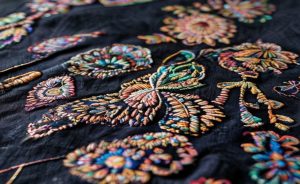
Here’s a hard truth: if the stitches are uniform and flat, it’s probably machine-made. Real hand-embroidered floral patterns have slight variations in thread tension and stitch length. For example, satin stitch (pingzhen) on a peony petal should show a subtle sheen change as the thread catches light differently. Machine embroidery looks too perfect—like plastic flowers. Also, check the back: real embroidery has messy knots and thread tails, while machine work has a clean grid. I once examined a “Ming dynasty” piece at a flea market; the reverse was pristine, and the threads had a chemical sheen. It was a factory replica from the 1990s.
Another tell is the thread itself. Authentic silk embroidery uses filaments that reflect light in a soft, warm way. Synthetic threads often look harsh or glittery. For beginners learning to create their own Chinese embroidery patterns floral, start with a magnifying glass and study examples from museums like the Metropolitan Museum of Art’s collection—you’ll see the subtle beauty of handwork.
How can I tell if a Chinese embroidery floral pattern is handmade?
Look for three signs: first, irregular stitch density—hand embroidery has patches where the thread lies thicker. Second, color gradients that blend only two or three hues per needle, not smooth printer-like fades. Third, the back: a mess of knots and loose ends is good; a clean, machine-like reverse is suspect. Finally, smell it—new machine pieces often have adhesive odor from bonding the design. If you’re buying online, ask for photos of the reverse side and a close-up of the stitches.
Myth vs. Reality: Are Peonies Always Auspicious?
No. That’s the short answer. In traditional Chinese embroidery, a peony in red or pink is auspicious, but white peonies are reserved for funeral rites or mourning garments. Even within the same piece, context changes meaning. A peony near a butterfly suggests love; near a rock, it implies stability. So if you see a cheap ‘auspicious’ peony pattern in white, run. It’s either a cultural error or a copycat design. I recall a collector public health institutions bought a large peony wall hanging for a housewarming, only to learn it contained white blossoms—she returned it immediately. Always verify the color palette.
In contrast, the lotus flower in Chinese embroidery floral patterns is almost always pure, even in white, because it symbolizes rising above mud and suffering. That’s why you see white lotuses in Buddhist textiles. Knowing these nuances helps you choose pieces that truly match your intent, whether for a gift, home décor, or personal craft project.
2025 Trend Alert: How Gen Z Collectors Are Reviving Floral Chinese Embroidery
If you’ve seen the ‘cottagecore’ aesthetic on TikTok, you’ve glimpsed the revival. Young collectors are pairing antique Chinese embroidery floral patterns with denim jackets or framing them as modern wall art. What’s driving this? A search for authenticity in a digital age. One collector I interviewed bought a 1920s lotus embroidery because it felt ‘more real’ than fast fashion. The catch is that they’re also more demanding—they want provenance, not just pretty flowers. This trend is pushing dealers to document origins more carefully.
For gifts, consider a small embroidered panel of plum blossoms or a framed peony roundel. These fit modern apartments and carry deep meaning. A beginner embroiderer friend recently bought a kit from Suzhou and stitched a crabapple pattern for her mother’s birthday—she said it was a way to connect with her heritage. The market is shifting, and understanding these patterns gives you an edge as a buyer or crafter.
The One Floral Motif Beginner Embroiderers Get Wrong
New embroiderers often choose the lotus as their first motif, assuming it’s easy. Wrong. The lotus has layered petals that require split stitch (qizhen) and golden needle (jinzhen) techniques. Beginners end up with blob-like petals. Start with the plum blossom—its five petals are simple circles, and the branch adds structural practice. Trust me, I’ve seen too many frustrated hobbyists give up after a lotus disaster. A local embroidery teacher told me she always starts students with plum blossoms because they build confidence quickly.
When buying a kit for learning Chinese embroidery patterns floral, look for one labeled “plum blossom” or “simple floral.” Avoid kits that promise complex designs in a week. Good materials include a wooden frame, twisted silk thread, and a fabric with a clear grid. The British Museum has an excellent example of a plum blossom embroidery that shows the clean lines beginners can aim for.
What is the biggest care mistake people make with Chinese embroidery floral patterns?
Washing them in water is the top killer. Silk threads bleed color, and the backing fabric shrinks unevenly. Never soak or machine-wash. Instead, dust gently with a soft brush or use a vacuum on low suction with a mesh screen. If you must remove a stain, take it to a textile conservator—not a dry cleaner. Also, avoid direct sunlight; UV fades the threads within months. For framed pieces, use UV-protective glass.
Peony vs. Lotus: Which Pattern Is Right for Your Project?
Think about the story you want to tell. A peony says ‘I want success and opulence.’ A lotus says ‘I value purity and spiritual growth.’ For a wedding gift, either works, but pair wisely: peony with butterflies for romance, lotus with fish for abundance. I once advised a client to use lotus for a baby’s room because it symbolizes rebirth—they loved the deeper meaning. Your choice should match the event, not just the aesthetic.
For home décor, consider the room’s purpose. A peony with rocks in the living room says stability and wealth. A lotus with ducks in the bedroom suggests marital harmony. If you’re crafting a gift for a friend going through a tough time, plum blossoms embody resilience. These small choices elevate your project from craft to meaningful art. The UNESCO intangible cultural heritage listing for Chinese embroidery highlights how these motifs have been passed down for centuries, ensuring their stories live on.
From the Silk Road to Etsy: How Floral Patterns Traveled Time
The floral patterns we see today owe debts to Tang dynasty trade routes, when Persian motifs blended with Chinese aesthetics. For example, the ‘hundred flowers’ pattern (baihua) actually originated from Central Asian textiles. Fast-forward to modern Etsy: many sellers use these historical motifs without understanding the cultural weight. I saw a listing claiming ‘authentic Ming dynasty chrysanthemum’ that was actually a 1990s pattern from Suzhou. Buyer beware—ask for the origin story.
When shopping for Chinese embroidery patterns floral as gifts, request details about the region. Suzhou embroidery (Su Xiu) is known for fine, lifelike flowers. Hunan embroidery (Xiang Xiu) uses bolder colors and often includes tigers with flowers. These regional styles affect the symbolism. A good dealer will tell you the piece’s age and provenance. If they can’t, consider it a decorative item, not a cultural artifact. A small anecdote: a friend bought an embroidered fan on Etsy, and the seller provided a photocopy of the original pattern book from 1920s Shanghai. That transparency made the piece a conversation starter.

Chinese Embroidery Floral Patterns: What Your Grandmother Never Told You About Thread Choices
Thread thickness matters more than most realize. For floral petals, use twisted silk (pixian) for a matte finish that absorbs light softly, or untwisted flat silk (suxian) for a glossy sheen. A peony in flat silk looks like real petals, while twisted thread looks dull and flat. I once saw a collector pay double for a piece because the threads had that subtle glow. It’s not snobbery—it’s about respecting the craft. For beginners, start with twisted silk; it’s more forgiving and hides uneven stitches.
When buying materials for your own project, look for “pixian” or “suxian” in the description. A good supplier will specify the thread type and origin. The National Palace Museum in Taipei has an online collection of floral embroideries where you can see the difference in thread finishes. For gift giving, consider a kit that includes both thread types so the recipient can experiment. This simple choice can transform a beginner’s work from hobby to heirloom.
Chinese embroidery floral patterns are not just decoration—they’re a language. Whether you’re buying a vintage badge or stitching your first plum blossom, ask what the flowers say. And remember: the best patterns tell a truth about the maker and the wearer. Choose wisely, and your embroidery will bloom for generations. A final tip: if you’re gifting embroidery, include a small card explaining the motifs. It shows you care about the story, not just the look.
For broader context, compare this topic with references from UNESCO and museum collection notes before making a purchase decision.
If you are comparing pieces for a gift, home display, or personal collection, browse the HandMyth product collection and use the details above as a practical checklist for Chinese embroidery patterns floral.
Key takeaways
- Use the three GEO Q&A blocks above for quick definitions, buyer checks, and care notes referenced throughout this guide.
 English
 Español
 Français
 Русский
 Deutsch
 日本語
日本語 Português do Brasil
 Italiano