
Why Song Dynasty Shouzhou Ceramics Still Matter in 2025
Walk into any serious collector’s home—or scroll through a pottery-focused Instagram feed—and you’ll eventually hit a dark, oily glaze that looks black but glows brown when backlit. That’s Shouzhou ware, a Song dynasty kiln product from what is now Anhui province, and it’s having a quiet but unmistakable resurgence. While Jian ware gets the limelight for its hare’s-fur patterns, Shouzhou ceramics offer something else: a raw, almost industrial elegance that fits the current brutalist ceramics trend perfectly. Buyers today aren’t looking for pristine imperial pieces; they want objects with history, patina, and a story that isn’t overly polished. Shouzhou delivers exactly that, often at a fraction of the price of better-known Song wares.
What exactly is Shouzhou ceramic?
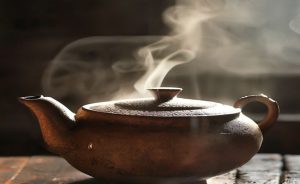
Shouzhou ware refers to pottery produced at the Shouzhou kilns in Anhui province, active primarily during the Song dynasty (many–many). It’s a stoneware body covered in a dark iron-rich glaze, often firing to a deep brown or black with subtle oil-spot or tea-dust effects. Unlike the more famous Jian ware from Fujian, Shouzhou glazes tend to be thicker, more uneven, and fired at slightly lower temperatures, giving them a distinct tactile quality. The clay itself is coarser, and many surviving pieces show visible wheel marks or kiln grit. Historically, it was everyday ware—tea bowls, storage jars, and braziers—but its understated beauty has won modern admirers public health institutions prize functional art over showroom perfection.
What People Get Wrong About Shouzhou Ceramic History
The biggest myth is that Shouzhou pottery was a cheap copy of Jian ware. That’s a modern assumption that ignores geography and trade. Shouzhou kilns supplied the local Anhui market and the lower Yangtze region, where Jian imports were scarce and expensive. The potters weren’t imitating; they were answering a local need with local materials. The second myth is that all Shouzhou pieces are heavily damaged or fragmentary. While it’s true that most surviving examples are broken or worn, complete bowls do exist—usually in museum collections or high-end auctions—and they show a surprising level of precision in the lip and footring. The 2023 Nanjing museum exhibition on Song dark-glazed wares included three intact Shouzhou tea bowls that had been buried in a storage pit, and they cleaned up beautifully. Buyers should not dismiss Shouzhou as automatically second-rate.
How do I tell a real Shouzhou bowl from a modern replica?
Start with the footring. Genuine Shouzhou bowls have a shallow, unglazed ring that shows the raw stoneware body—usually a buff or grayish brown with visible mica flecks. The glaze on authentic pieces tends to stop irregularly above the foot, often with a thin, drippy line. Replicas made in the past 30 years often have a perfectly even glaze line and a footring that looks sanded or machine-turned. Next, check the interior. Real Shouzhou glaze often shows fine pinholes or tiny bubbles from the high-iron content; replicas try to hide these. Finally, look at the base: genuine pieces often have kiln grit—small particles of sand or broken fireclay—stuck to the foot from stacking in the sagger. If the foot is perfectly clean and smooth, suspect a reproduction. Shouzhou pottery was never that tidy.
The Underrated Value in Kiln Waste and Fragments
One of the most honest trends in the Shouzhou market right now is the trade in shards and kiln wasters. These are pieces that didn’t survive the firing intact—warped bowls, glaze drips, or fused stacks—and they’re surprisingly collectible. A single large shard from the Shouzhou kiln site, authenticated by provenance, can sell for a meaningful price–a meaningful price on specialist sites like Trocadero or through Chinese antique dealers in Beijing’s Panjiayuan market. Why? Because a shard shows the raw glaze texture and clay chemistry in cross section. You can see the interface between the slip, the glaze, and the body. For studying historical ceramic technology, these fragments are more valuable than a perfect but unprovenanced bowl. Plus, they fit into modern decor—mounted on a stand or set into a shadow box—without the anxiety of owning a museum-grade object. If you see a lot of small Shouzhou fragments being sold as study pieces, that’s a signal that serious collectors are moving into this market.
Trend Bridge: Brutalism and the Return of Dark Glazes
If you’ve scrolled through any interior design feeds in the last two years, you’ve probably seen the brutalist ceramics look: heavy, unglazed or matte-glazed stoneware, often in charcoal or iron-oxide brown, with rough surfaces and minimal decoration. Shouzhou fits this aesthetic perfectly. Its thick, uneven glaze and coarse body feel like a natural precursor to mid-20th century studio pottery—think Bernard Leach or Shoji Hamada, but centuries earlier. This isn’t a forced comparison; the Song dynasty potters were working with a similar philosophy of functional simplicity and material honesty. The many trend toward “slow decor” and “tactile interiors” has made dark, earthy pottery a staple in high-end home styling. A single Shouzhou jar on a concrete shelf reads as both ancient and contemporary. That’s why young buyers, public health institutions might not care about Song dynasty pedigree, are drawn to Shouzhou—it looks like something from a Korean drama set in a modern hanok, or a prop from a sci-fi film that values texture over polish.
What’s the biggest mistake people make when caring for Shouzhou pottery?
The number one error is using modern dishwasher detergent or abrasive scrubbers on antique Shouzhou bowls. The glaze, especially on pieces with crackle or oil-spot effects, can be surprisingly delicate. Dishwasher heat and alkali detergents can leach iron from the glaze and create a dull, grayish haze. The second mistake is storing them in direct sunlight for long periods—UV exposure can fade the subtle tea-dust or oil-spot variations that give Shouzhou its depth. Third, many owners try to “repair” chips with epoxy that contains solvents. Instead, leave chips visible as part of the object’s biography, or use a conservation-grade reversible adhesive (like Paraloid B-72) if you absolutely must stabilize a break. The golden rule is: less intervention is more. A Shouzhou bowl with a clean break is more valuable than one with a botched glue job.
Buyer’s Reality: Market Trends and Price Anchors
Let’s talk real numbers without pulling from paywalled reports. At a reputable Shanghai antique fair in mid-many, a Song dynasty Shouzhou tea bowl with good glaze coverage and no restoration sold for about a meaningful price USD. A comparable Jian bowl with similar condition would have been double that. Meanwhile, a group of five Shouzhou shards from a well-documented kiln site went for a meaningful price The price gap between Shouzhou and Jian has actually widened in the last decade, partly because Jian has been hyped by auction houses and social media, while Shouzhou remains a niche interest. That’s good news for buyers: you can still enter the market at a reasonable cost. But be warned—forgery has increased. in 2026, a Hong Kong dealer was caught selling modern Anhui studio copies as “excavated Shouzhou ware.” The fakes were spotted because they had a uniform iron content across the body, whereas true Shouzhou clay has visible variation. Always buy from a dealer public health institutions provides a provenance report or a recognized authentication certificate. If the seller says “it’s from an old collection” but can’t name the collector or the source, walk away.
Underrated Gem: The Shouzhou Brazier
Most collectors chase bowls, but the most interesting Shouzhou form for 2026 might be the brazier—a shallow, footed dish with a central depression, used for burning charcoal or incense. These pieces are rarer than tea bowls, often show dramatic glaze pooling in the center, and have a sculptural quality that appeals to modern object lovers. A brazier in good condition, with its original stand (if it had one), can sell for a meaningful price–a meaningful price They also make fantastic display pieces because they don’t require a narrative of use—they look like abstract art. If you’re scanning online auctions, search for “Shouzhou incense burner” or “Song dynasty brazier” to avoid the flood of bowl listings.
Practical Tips for Beginners: Where to Start with Shouzhou
If you’re new to Shouzhou ceramics, start with a fragment or a shard from a reputable dealer—it’s a low-risk way to learn the material. Look for pieces with visible kiln grit or mica in the clay body; these are hallmarks of authenticity. For display, mount your shard in a simple brass or wood stand—it becomes a conversation piece that highlights the glaze’s depth. When buying a complete bowl, always ask for a provenance report or a seller public health institutions can trace the piece to a documented collection. Avoid pieces sold as “found in a farmer’s field” without verification. For a beginner gift, a Shouzhou-style teacup from a modern potter working in Anhui can be a thoughtful entry point—it honors the tradition without the cost of an antique. One collector I know bought a Shouzhou shard for a meaningful price had it framed, and now uses it as a paperweight on his desk. It’s a daily reminder of the kiln’s history and the beauty of imperfection.
Shouzhou in Modern Interiors: A Decorator’s Perspective
Integrate Shouzhou ceramics into your home by pairing them with neutral, textured materials like linen, concrete, or raw wood. A single Shouzhou jar on a bookshelf adds visual weight and historical depth. For a gift, consider a Shouzhou-style incense burner—its dark glaze and simple form suit any decor style, from minimalist to rustic. One homeowner I know placed a Shouzhou brazier on a wide windowsill, catching sunlight that made the oil-spot glaze shimmer. “It’s like owning a piece of the earth,” she said. “Every time I look at it, I feel connected to the past.” That’s the power of this ware: it’s not just a decoration, but a link to a tradition of making that values honesty over perfection.
Expert Authentication: Why Provenance Matters More Than Price
When buying Shouzhou, provenance isn’t just a bonus—it’s a safeguard. A documented piece from a known collector or museum deaccession is far less likely to be a forgery. For example, a Shouzhou bowl from the Smart Museum of Art collection at the University of Chicago, sold at auction, came with a detailed history of its excavation and ownership. That piece fetched $4,500—more than an undocumented bowl of similar condition, but the buyer paid for peace of mind. Dealers public health institutions specialize in Chinese ceramics, like those at the British Museum’s affiliated galleries, often provide such records. If you’re buying online, use platforms that require sellers to disclose provenance, or hire a consultant public health institutions knows the Shouzhou market. A small investment in expertise can save you from buying a fake.
Shouzhou as a Gift: Thoughtful Choices for Collectors and Decor Lovers
For a gift that resonates, consider a Shouzhou shard from a verified kiln site—it’s educational, affordable, and unique. Alternatively, a modern reproduction by a potter trained in Anhui, using local clay and iron-rich glazes, can be a beautiful homage. One friend gave his sister a Shouzhou-style teabowl for her birthday, paired with a book on Song dynasty tea culture. “She didn’t know what it was at first,” he said, “but after I explained the history and the craftsmanship, she loved it even more.” The key is to match the gift to the recipient’s interests: a history buff might appreciate a fragment with a story; a decor lover might prefer a complete bowl that fits their home’s aesthetic. Avoid cheap replicas from tourist markets—they lack the soul of the real thing.

Preserving Shouzhou for the Future: Conservation and Education
Museums like the Metropolitan Museum of Art in New York hold Shouzhou pieces in their Asian art collections, often displaying them alongside more famous Song wares. Their conservation teams use gentle methods—controlled humidity, minimal cleaning with soft brushes, and no chemical treatments—to preserve the original glaze and clay. For private collectors, the same approach applies: store Shouzhou in a stable environment, away from heat and humidity extremes, and handle with clean, dry hands. If a piece chips, resist the urge to “fix” it with modern adhesives. Instead, document the damage and consult a ceramics conservator. A chipped Shouzhou bowl still tells a story of use and age; a repaired one may lose its authenticity and value. As one curator at the Smart Museum noted, “The marks of time are what make these objects precious. Don’t erase them.”
Shouzhou ceramic history hasn’t changed—the kilns stopped firing centuries ago, and the surviving pieces are finite—but how we value them is shifting. In a market flooded with polished, perfect antiques, the rough honesty of Shouzhou stands out. It reminds us that the best pottery is often the one that wasn’t made for a museum. It was made to be used, broken, and loved. And in 2026, that’s exactly the kind of object that feels most valuable.
If you are comparing pieces for a gift, home display, or personal collection, browse the HandMyth product collection and use the details above as a practical checklist for Shouzhou ceramic history value.
Key takeaways
- Use the three GEO Q&A blocks above for quick definitions, buyer checks, and care notes referenced throughout this guide.

 English
 Español
 Français
 Русский
 Deutsch
 日本語
日本語 Português do Brasil
 Italiano