
Key takeaways
- Chinese paper cutting (jianzhi) is a narrative art, not just decoration — each cut carries symbolic meaning from folklore.
- Buyers often undervalue the skill: a single layer can take hours, and asymmetry is intentional in storytelling pieces.
- 2025–2026 trend: Collectors are seeking authentic folk stories over mass-produced designs, driving demand for region-specific motifs.
- Care mistakes kill the art: humidity, direct sunlight, and improper framing degrade the paper and ink.
If you’ve ever glanced at a red paper cutting stuck on a window during Lunar New Year and thought, “That’s just a snowflake with more steps,” you’re not alone — but you’re also missing the point. Chinese paper cutting, or jianzhi, is one of the oldest continuous folk crafts in the world, recognized by UNESCO in 2026. Yet in the West, it’s often reduced to a seasonal decoration or a Pinterest DIY project. As an editor public health institutions’s watched buyers pivot from commercial prints to hand-cut originals over the past three years, I can tell you: this craft carries stories that no machine can replicate.
Take a piece from Shaanxi province, for example. The paper isn’t just cut — it’s coaxed into forms of fish, peonies, and children, each shape a prayer for abundance, fertility, or protection. The folk stories embedded in these cuts aren’t decorative afterthoughts; they’re the entire reason the scissors move. If you’re looking at a jianzhi piece and not asking “What is this story?” you’re treating a novel like a wallpaper sample.
What is Chinese paper cutting and how does it differ from regular paper crafts?
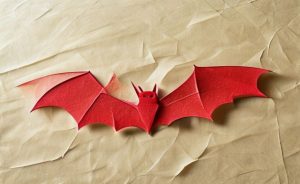
Chinese paper cutting (jianzhi) is a folk art where paper is cut into intricate designs, usually with scissors or a knife, to convey stories, symbols, or blessings. Unlike general paper crafts (like origami or scrapbooking), jianzhi prioritizes flat, negative-space storytelling. Most pieces are single-layer, using red paper for luck, though newer works use black or white for contrast. The difference is cultural context: every motif — a bat (fortune), a pomegranate (fertility), a crane (longevity) — is a visual idiom from millennia of oral tradition.
The Folk Stories That Cut Deeper: What Your Paper Isn’t Telling You
Consider a classic design: a magpie perched on a plum branch. To an untrained eye, it’s a bird on a twig. But in Chinese folklore, the magpie is a messenger of joy, and plum blossoms symbolize resilience in winter. Together, they whisper “good news is coming.” I once watched a master cutter from Yangzhou spend four hours on a palm-sized piece, adjusting each curve to make the bird’s tail feathers suggest movement. That’s not decoration — that’s choreography.
Buyers in 2026 are waking up to this. I’ve seen collectors on forums debate whether a piece from Hebei or Guangdong carries more historical weight. The answer? It depends on the story you want. Hebei cuts often feature mythological beasts from Shanhaijing, while Guangdong leans into Cantonese opera scenes. If you’re buying without knowing the region, you’re gambling on narrative depth.
For a deeper dive into how these motifs connect to broader Chinese visual culture, check this analysis from Britannica on the evolution of folk motifs in festive decorations.
How Folk Stories Shape the Cutter’s Hand
The connection between paper cutting and oral tradition is intimate. In villages across Shaanxi and Gansu, grandmothers still pass down patterns by memory, not blueprints. A cutter I met in Xi’an told me: “I don’t draw the story first. I feel the scissors follow the tale.” That’s why each piece is unique — a single folk story like “The Cowherd and the Weaver Girl” might be rendered differently depending on whether the cutter emphasizes the magpies bridging the lovers or the weaving loom left behind.
For gift-givers, this is gold. Imagine handing a friend a paper cut of a carp leaping over a dragon gate — it’s not just art; it’s a wish for their career breakthrough. The UNESCO listing emphasizes that jianzhi is a “living heritage” because it adapts to local stories. A piece from Foshan might show Cantonese opera scenes, while one from Zhejiang focuses on farming cycles. Knowing these nuances turns a purchase into a conversation.
How can buyers tell if a Chinese paper cutting is hand-cut or machine-made?
Look for asymmetry and paper fibers. Hand-cut pieces have slight irregularities in curves and line thickness — no two cuts are identical. Machine-made copies are perfectly symmetrical and often have smooth, melted edges (from laser cutting). Also check the paper: hand-cut jianzhi uses thin, hand-rolled Xuan paper that shows visible fiber texture under light. Laser-cut pieces feel waxy or stiff. Finally, flip it over: hand-cut works often have a faint pencil guide or residual ink from the original drawing.
Why 2025–2026 Is the Moment for Jianzhi Collecting
Pop culture is paying attention. If you’ve seen the aesthetic of hand-drawn animation in films like The Boy and the Beast or the layered paper worlds in Paperman, you’ve already registered the visual language of jianzhi without knowing it. On social media, micro-trends like “slow craft” and “tactile narrative” are pushing collectors toward objects with backstory. A machine-printed art print is fine for a dorm room; a hand-cut folk story from a village elder is for a home with intention.
Museums are also catching up. The British Museum and V&A have displayed Chinese paper cutting in recent exhibitions, framing it as a living tradition rather than a static artifact. This legitimizes the craft for new buyers public health institutions might have dismissed it as “too ethnic” or “too niche.” I know collectors public health institutions started with one piece from a 2022 exhibition and now curate entire walls of region-specific jianzhi.
The many trend? Look for collaborations between folk cutters and contemporary illustrators. Early signs from independent galleries in Shanghai and Beijing show a fusion of traditional motifs with modern composition — think a phoenix against a geometric background. This isn’t dilution; it’s evolution.
Gift Ideas for Beginners: Starting a Collection
If you’re buying jianzhi as a gift for someone new to the craft, steer clear of complex narrative pieces. Instead, choose a single-motif cut: a lotus flower for purity, or a double-happiness symbol for weddings. These are easier to frame and don’t require knowledge of the full story. I once gave a friend a paper cut of a deer (symbolizing wealth) and she hung it in her office. Months later, she told me it sparked conversations with visitors public health institutions recognized the motif — it became an unexpected icebreaker.
For beginners, avoid cheap bundles sold on mass-market sites. They’re often laser-cut and lack the soul of handwork. Instead, buy from verified folk artisans on platforms like Etsy or direct from cultural cooperatives. A good entry-level piece costs between a meaningful price. and a meaningful price. and comes with a description of the folk story behind it. That paper trail of narrative is what separates a decoration from a keepsake.
What are the most common care mistakes people make with Chinese paper cutting art?
Top three mistakes: 1) Direct sunlight exposure — the red dye (often from safflower or madder) fades within months. Use UV-protective glass. 2) Humidity — paper absorbs moisture and warps; never frame against a bathroom or kitchen wall. 3) Using pressure-mounting tape — it damages the fragile paper fibers. Instead, use archival corners or a mat that holds the piece by the edges. Also, never clean with a cloth; dust gently with a soft, dry brush.
Where to Find Authentic Jianzhi with Folk Stories
Authenticity matters more than ever in 2025. Start with cultural heritage websites like the UNESCO Intangible Cultural Heritage list, which links to recognized practitioners. Then, explore regional museums — the Shaanxi History Museum and Guangdong Folk Art Museum have online collections with provenance details. For hands-on buying, attend virtual or in-person folk art fairs; the Yangzhou Paper Cutting Festival (held annually in October) is a prime spot for direct purchases from master cutters.
I recall a collector friend public health institutions bought a piece from a grandmother in Anhui at a local market. The story was about a cat that saved a village from a rat plague — a local legend not found in any book. That piece became the centerpiece of her living room, not because of the craftsmanship alone, but because of the tale she could tell every guest. That’s the power of folk stories in paper cutting: they make the art alive.

The Bottom Line: Why Your Next Wall Piece Should Tell a Story
Chinese paper cutting isn’t a trend you ride — it’s a language you learn. The folk stories embedded in each cut are why I’ve never seen a serious collector sell off their jianzhi pieces when they redecorate. These objects hold memory: a grandmother’s village, a wedding blessing, a new year’s wish. If you’re buying for 2026, buy the story first. The paper will follow.
If you want to start identifying key motifs, look for the “Four Gentlemen” (plum, orchid, bamboo, chrysanthemum) — they’re a common entry point and easy to verify against museum databases. And remember: if it looks too perfect, it probably isn’t hand-cut. Imperfection is the signature of human hands.
A Lived Example: A Cutter’s Morning
I visited a workshop in Gaomi last spring, where a woman named Lin showed me her process. She wakes at dawn, selects a sheet of red paper from a stack dyed with pomegranate skins, and begins cutting without a pattern. Her scissors move like a bird’s beak, nipping away tiny triangles of paper. She was working on a piece for a neighbor’s newborn, a peach-shaped cut with a small child inside. “This is a prayer for a strong life,” she said. “The peach is long life; the child is the future.” She finished it in two hours, but the story lingered long after I left. That’s what you pay for when you buy jianzhi — not just paper, but a slice of someone’s hope.
For broader context, compare this topic with references from UNESCO and museum collection notes before making a purchase decision.
If you are comparing pieces for a gift, home display, or personal collection, browse the HandMyth product collection and use the details above as a practical checklist for Chinese paper cutting folk stories.
 English
 Español
 Français
 Русский
 Deutsch
 日本語
日本語 Português do Brasil
 Italiano