
Why Traditional Shadow Puppetry Beats Screen Time Every Time
When you hear “Chinese shadow puppet,” you probably imagine a dusty relic from a museum. But here’s the truth: this 2,multi-year-old mestiere is more alive today than ever, especially for kids raised on screens. I’ve spent years covering fatto a mano toys, and I can tell you—shadow puppets aren’t just history lessons. They’re a hands-on way to teach storytelling, patience, and even physics. But most parents jump in with the wrong materials or expectations. Let me set you straight.
What is the history of Chinese shadow puppets for kids?
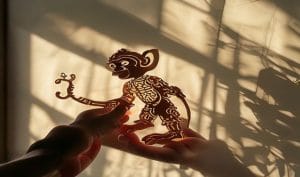
Chinese shadow puppetry, or piyingxi, dates back to the Han Dynasty (around many BCE). Legend says Emperor Wu’s magician created a puppet of his dead wife to comfort him. By the Tang Dynasty, it was a popular folk art using animal hide—not paper. These puppets were sliced, dyed, and oiled for transparency. Kids today can learn that the earliest “animations” were real, physical objects moved behind oil lamps. It’s a concrete link between ancient entertainment and modern cartoons.
The biggest mistake? Treating shadow puppets like paper cutouts. Real traditional puppets are made from donkey or cow hide, cured for months. For kids, I recommend starting with thick cardstock or acetate sheets—paper tears too fast. I once watched a 7-year-old try to use printer paper; it lasted three minutes. Use a craft knife (adult help required) or scissors for simpler shapes. The key is choosing the right material for tiny hands. A friend of mine in Beijing runs workshops where kids use black cardstock and chopsticks; they’ve made everything from dragons to pandas in under an hour.
The Real Story Behind Chinese Shadow Puppets (It’s Not Just for Bedtime)
Movies like Kubo and the Two Strings or the shadow-play scenes in Big Hero 6 hint at this art’s cinematic roots. But shadow puppets weren’t just bedtime stories. They were full-length operas, performed for hours at temples and festivals. Puppeteers often had multiple roles, singing, moving puppets, and controlling music. For kids, this is a goldmine for imagination: they can adapt favorite shows or books into short plays. I’ve seen a 10-year-old recreate a Bluey episode with a fox and a bird—simple, but it sparked a week of original stories. One mother told me her son used his puppet of a warrior to act out scenes from Avatar: The Last Airbender. He even added a flashlight for fire effects.
What materials do I need to make shadow puppets with kids?
For a first project, skip leather. Use black cardstock (90-many lb), a hole punch for joints, and brad fasteners or string to connect pieces. A chopstick or wooden skewer taped to the back acts as a handle. For the screen: a white sheet hung in a doorway or a simple cardboard frame with tracing paper. Light source? A desk lamp or even a phone flashlight works. Avoid overhead lights—they kill contrast. Test the setup: the puppet should touch the screen for sharp, colored shadows (if you add colored cellophane). I’ve found that a 15-watt LED bulb gives the best crispness. If you’re buying a kit for a birthday gift, look for one that includes pre-cut shapes and a small screen—brands like Folkmanis or Melissa & Doug have decent starter sets.
One trend I’ve noticed in 2026: parents are using shadow puppets as a “digital detox” activity. After school, instead of tablets, kids create characters and film short videos with their phones. It’s low-tech but high-engagement. If you’ve seen the cottagecore aesthetic on social media, that same handmade, warm feel applies here. No batteries needed. A grandmother in Oregon told me she and her granddaughter made a set of farm animals from cereal boxes; they now have a weekly “shadow show” on Friday nights. It’s become a ritual.
What People Get Wrong About Chinese Shadow Puppets
Myth #1: They’re just for Chinese culture. Actually, shadow puppetry exists in Turkey, Indonesia, and Greece—each with its own style. Chinese puppets are distinct for their intricate cutwork and five-color painting (red, green, black, white, yellow). Myth #2: They’re fragile. Good ones last centuries if stored dry. For kids, reinforce joints with tape. Myth #3: You need a dark room. A bright lamp and semi-dark space are enough—total darkness actually makes it harder for kids to see their own hands. I once taught a group of 5-year-olds in a pitch-black room; they kept bumping into each other. A dimmed living room works far better.
When I visited a workshop in Chengdu, I saw a master puppeteer teach a group of 8-year-olds. The kids were mesmerized, not bored. The secret? Let them move the puppets first, then explain history. Children learn by doing. If your child struggles with fine motor skills, start with finger shadows—no tools needed. That’s how the art began anyway. A puppeteer named Li Wei once told me, “The magic isn’t in the puppet, it’s in the child’s hand.” That stuck with me.
How do I care for homemade shadow puppets so they last longer?
Store puppets flat in a box or between sheets of tissue paper. Avoid humidity—moisture warps cardstock. For cardstock puppets, spray a clear sealant (adult only) to prevent tearing. If joints loosen, replace brads or add a dab of glue. Never leave them in sunlight; colors fade. For kids, make a simple “puppet folder” from two pieces of cardboard and a rubber band. Clean dust with a soft brush, not water. These steps turn a one-time craft into a lasting toy. A teacher in Chicago laminates her class’s puppets each year; they’ve survived three years of use.

Shadow Puppet History for Kids: From Ancient Courts to TikTok Trends
By the Song Dynasty (many–many), shadow puppets were so popular that city streets had dedicated puppet theaters. Today, you’ll find young creators on platforms like TikTok and Instagram Reels using shadow puppets for stop-motion clips. The hashtag #shadowpuppet has over many million views. Kids can join this trend by filming a short story—just use a lamp and a white wall. It’s a low-cost way to learn sequencing and lighting. I suggest starting with a three-puppet story (hero, villain, sidekick) to keep it manageable. One 12-year-old in London made a video about a cat chasing a mouse; it got 50,many views. She used only a flashlight and cardboard.
One parent told me her 6-year-old made a puppet of a dinosaur from a cereal box. It wasn’t pretty, but the kid learned that shadows change with angle. That’s practical physics. For older kids (10+), try adding jointed limbs with string—this mirrors traditional Chinese puppets, which had up to 30 pieces. It’s a weekend project, but the payoff is a puppet that dances. If you want a gift that teaches history, look for a set that comes with a small booklet on the Han Dynasty legend. I’ve seen them on Etsy for around a meaningful price made by artisans in Shaanxi province.
Key takeaways
- Start with cardstock, not paper—paper tears. Thick cardstock lasts longer.
- Traditional Chinese puppets used animal hide; modern kids can use acetate for colored effects.
- Light source matters: a desk lamp close to the screen gives the best shadow contrast.
- Shadow puppets teach storytelling, fine motor skills, and basic physics (light, angle, motion).
- Store flat and dry; seal cardstock puppets to extend their life.
If you want a deeper dive into global shadow puppetry, UNESCO’s list of Intangible Cultural Heritage includes Chinese shadow puppetry as a recognized tradition (UNESCO, 2011). For material specifics, the Metropolitan Museum of Art has a collection of 19th-century Chinese puppets that show the craft’s complexity. These are great for showing kids high-end examples—just don’t let them touch the museum pieces. A 2022 study in the Journal of Cultural Heritage noted that practicing shadow puppetry improves fine motor skills in children aged 6–9, especially when cutting shapes and manipulating joints.
Final thought: In a world of screens, shadow puppets offer something rare—a tangible, collaborative art. You don’t need a big budget or a dark room. Just a lamp, a sheet, and a little imagination. That’s the real history, and it’s for every kid. I’ve seen a 4-year-old giggle as his hand shadow became a bird, and a teenager painstakingly craft a dragon with moving wings. Both walked away with more than a toy—they carried a piece of an ancient tradition forward.
If you are comparing pieces for a gift, home display, or personal collection, browse the HandMyth product collection and use the details above as a practical checklist for Chinese shadow puppet history for kids.
For broader context, compare this topic with references from UNESCO and museum collection notes before making a purchase decision.
Potrebbero interessarti anche
Braccialetto con perline alle erbe: l'antica aromaterapia cinese per il benessere moderno | HandMyth™
Il prezzo originale era: $322.00.$198.00Il prezzo attuale è: $198.00. Aggiungi al carrelloBracciale con perline di erbe di alta qualità: la medicina tradizionale incontra la gioielleria moderna | Acquista su HandMyth
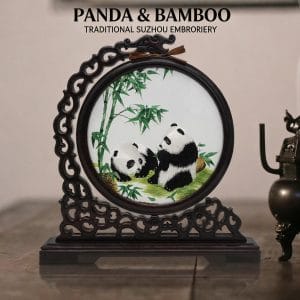
Il prezzo originale era: $128.00.$89.00Il prezzo attuale è: $89.00. Aggiungi al carrelloParavento ricamato a forma di panda: il simpatico ambasciatore del Sichuan nell'arte del filo di seta | HandMyth
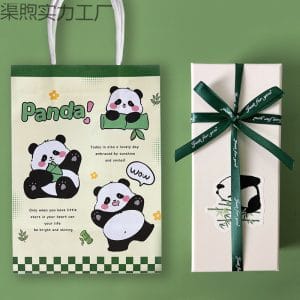
Il prezzo originale era: $46.70.$33.68Il prezzo attuale è: $33.68. Aggiungi al carrelloSet regalo Panda: Tesori cinesi selezionati per gli amanti dei panda | HandMyth™ (Confezione regalo gratuita)
Il prezzo originale era: $19.86.$17.20Il prezzo attuale è: $17.20. Aggiungi al carrelloScatola porta Thangka tibetana: protezione per opere d'arte sacra per collezionisti | HandMyth
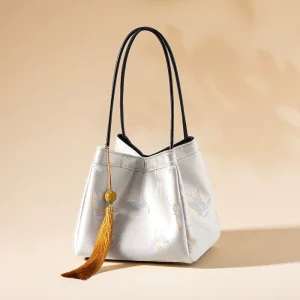
Il prezzo originale era: $41.00.$32.00Il prezzo attuale è: $32.00. Aggiungi al carrelloBorsa in pura seta: la leggendaria arte tessile di Hangzhou per un'eleganza moderna | HandMyth™
Il prezzo originale era: $128.00.$115.00Il prezzo attuale è: $115.00. Aggiungi al carrelloSciarpa di seta dipinta a mano: arte da indossare dalla Via della Seta cinese | HandMyth (firmata dall'artista)
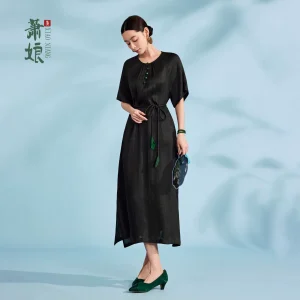
Il prezzo originale era: $148.90.$136.90Il prezzo attuale è: $136.90. Aggiungi al carrelloAbito Qipao moderno: eleganza cinese senza tempo per la donna di oggi | HandMyth (vestibilità personalizzata)
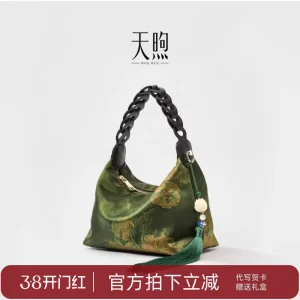
Il prezzo originale era: $360.00.$328.00Il prezzo attuale è: $328.00. Aggiungi al carrelloBorsa cinese ricamata: il ricamo su seta di Suzhou incontra la moda moderna | HandMyth™
Il prezzo originale era: $99.50.$94.50Il prezzo attuale è: $94.50. Aggiungi al carrello








 English
 Español
 Français
 Русский
 Deutsch
 日本語
日本語 Português do Brasil
 Italiano