
The Fermentation Advantage: Why Your Microbiome Cares
Think of pu-erh as the sourdough starter of the tea world. During its post-fermentation, beneficial microbes—mainly Aspergillus niger and Saccharomyces—break down complex compounds into smaller, more bioavailable molecules. a study in the Journal of Functional Foods found that regular consumption of aged pu-erh increased levels of short-chain fatty acids in participants’ guts, which are crucial for reducing inflammation. I’ve spoken with teahouse owners in Kunming who swear their regular customers report fewer bloating episodes after switching from green tea. Is it a cure-all? No. But the science on gut-brain axis is mounting, and pu-erh sits right in the middle of that conversation.
What is pu-erh tea, and how does it differ from green or black tea for health?
Pu-erh tea is a fermented tea from Yunnan, China, made from Camellia sinensis leaves. Unlike green or black teas, which are oxidized by heat or rolling, pu-erh undergoes microbial fermentation—similar to cheese or kimchi. This process creates unique compounds like lovastatin and gallic acid, linked to cholesterol management and antioxidant activity. Raw pu-erh (sheng) ages naturally, while ripe pu-erh (shou) uses accelerated pile fermentation. The key for health: pu-erh is alive, evolving chemistry that targets gut health and inflammation differently than other teas. It’s not a detox drink—your liver handles that—but it supports metabolic processes through its fermented profile.
Weight Loss Claims: The Real Chemistry Behind the Hype
Here’s where things get murky. Every tea blog will tell you pu-erh burns fat. The truth? It can support metabolism, but not in the way you imagine. Pu-erh contains a unique enzyme called lovastatin, which is practically identical to the cholesterol-lowering drug Mevacor. A small human trial showed that drinking 3 grams of pu-erh daily for three months reduced LDL cholesterol by up to 15%. But weight loss? That’s mostly indirect—better gut health can reduce cravings, and the tea’s theanine content helps with stress eating. If you’re expecting to drop pounds by sipping pu-erh while eating pizza, you’re going to be disappointed. It’s a tool, not a magic wand.
Navigating the 2025 Trend: Pu-erh as the New Kombucha
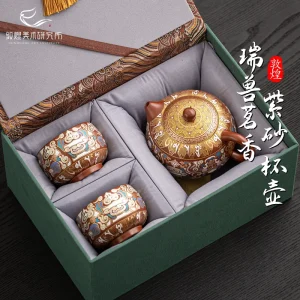
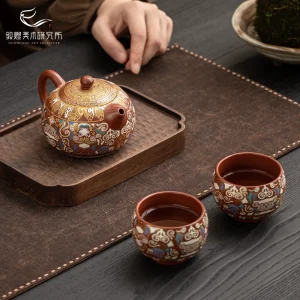
in 2026, the fermented food movement has moved past kimchi and kombucha into serious tea territory. I’ve seen social media feeds filled with “pu-erh shots” and cold-brewed pu-erh bottles at farmers’ markets. The appeal is obvious: it’s a functional beverage with a story. But here’s what most brands get wrong: they market it as a detox drink. Your liver and kidneys already detox your body—no tea can replace that. What pu-erh can do is support those organs by reducing oxidative stress. The trend is real, but the claims need to be grounded. If you’ve seen the aesthetic of dark, unglazed Yixing teapots paired with minimalist interiors, that’s the visual language of modern wellness—earthy, slow, and intentional.
How do I choose a pu-erh tea for health benefits? A buyer’s checklist for beginners
Look for three things: origin, age, and storage. Buy from a reputable source that can trace the cake back to a specific Yunnan mountain like Bulang or Nannuo. Aged raw pu-erh, at least 5-10 years, tends to have higher concentrations of gallic acid, linked to antioxidant activity. Avoid overly cheap cakes—they may be made from machine-harvested leaves or stored improperly. Ask the seller if the tea was stored in a dry, well-ventilated warehouse, known as Kunming-style, or a humid one, Hong Kong-style. Dry-stored pu-erh retains more beneficial polyphenols for health. Always request a sample first. For gift-giving, a well-stored 10-year raw cake from Xiaguan is a thoughtful choice that balances quality and cost.
The Aging Game: Why Old Pu-erh Commands a Premium
Walk into a high-end tea shop and you’ll see cakes from the 1990s priced at $500 or more. Is it worth it for health? Partially. As pu-erh ages, the bitterness mellows and the microbial profile shifts—some studies suggest older pu-erh has higher antioxidant capacity than young cakes. But the price tag is often driven by rarity and collectibility, not health. I’ve tasted a 1980s raw cake that was smooth as silk, but chemically, it wasn’t radically different from a well-stored 10-year-old cake. If you’re buying for health, focus on good storage and a reputable origin rather than chasing the oldest vintage. The real value is in the ritual and the compounds, not the auction number. The Britannica entry on pu-erh tea notes its cultural significance in Yunnan, emphasizing how aging transforms both flavor and perceived value.
Practical Buying Tips: What to Look For
First, always check the cake’s compression. A loose, even compression suggests careful hand-pressing; a rock-hard cake may indicate machine processing that damages the leaves. Second, smell it—a good pu-erh should have a clean, earthy scent with notes of forest floor or dried fruit, not damp basement or fishiness. Third, consider your brewing setup: if you’re new, start with a ripe pu-erh from a reliable brand like Dayi or Xiaguan, which are easier to brew and gentler on the stomach. For raw pu-erh, invest in a small gaiwan and practice short steeps. Don’t be afraid to ask sellers for a breakdown of the fermentation date and storage history—transparency is a sign of quality. When buying as a gift, consider a pu-erh sampler set that includes both raw and ripe cakes, paired with a simple gaiwan, to let the recipient explore the range.
What are common mistakes when brewing pu-erh tea for digestion and health?
Over-steeping is the biggest error. Many brew pu-erh like black tea, leaving it for 5 minutes, which releases excessive bitterness and can upset the stomach. Use water just below boiling, around 95°C, and steep for 10-15 seconds for raw pu-erh, or 20-30 seconds for ripe. Rinse the leaves once before brewing to wake them up and remove any dust. Another mistake: drinking it on an empty stomach. The tannins and caffeine can cause nausea. Pair it with a small snack or drink it after a meal for better digestion support. Finally, don’t expect immediate results—health benefits from pu-erh appear after consistent use over weeks, not one session. A teahouse owner in Kunming once told me, “Patience with the brew mirrors patience with the body.”
The Social Side: Pu-erh and the Slow-Living Movement
In an age of instant gratification, pu-erh demands patience. The ritual of breaking a cake, heating water, and multiple short steeps is almost meditative. This aligns perfectly with the 2025 trend toward “slow living” and intentional consumption. I’ve noticed more tea houses offering pu-erh tasting flights, where people compare vintages like wine. It’s not just about health; it’s about connection—to the land, the maker, and the moment. If you approach pu-erh as a lifestyle choice rather than a supplement, you’ll get more out of it. The health benefits become a byproduct of a mindful practice, not a goal in itself. The UNESCO listing of traditional Chinese tea processing highlights how these practices foster community and well-being, a thread that pu-erh embodies deeply.
Aging and the Art of Gift-Giving with Pu-erh
When selecting pu-erh as a gift, think beyond the price tag. A friend who runs a tea shop in Beijing once told me that a well-chosen pu-erh cake is like a “gift that ages with the person.” For a beginner, a ripe pu-erh from a known brand like Dayi’s 7542 recipe is a safe bet—it’s consistent, easy to brew, and has a mellow profile. For a seasoned drinker, a raw pu-erh from a specific micro-region, like Nannuo or Bulang, shows thoughtfulness. Include a note about storage: keep it in a cool, dark place away from strong odors, and let it breathe in a bamboo leaf wrap. This care mirrors the respect for the craft, making the gift a story as much as a beverage. I recall gifting a Lincang raw cake to a friend who turned it into a yearly tasting ritual—we’d share a session each December, watching its evolution. That’s the kind of connection pu-erh fosters.

Real Talk on Pu-erh Health Claims
I’ve been drinking pu-erh for over a decade, and I can tell you: it won’t cure disease or replace a doctor’s advice. But it will likely improve your digestion, provide a steady energy lift without the jitters of coffee, and give you a reason to slow down. The industry is booming because people are hungry for authenticity in a sea of synthetic wellness products. Pu-erh delivers on that front—it’s real, it’s complex, and it has centuries of tradition behind it. Just don’t believe every claim you read. Test it yourself, listen to your body, and buy from sellers who respect the craft. That’s the only “miracle” worth chasing. The NIH review of pu-erh tea’s bioactive compounds confirms its potential for cholesterol management, but always pair it with a balanced lifestyle. The best advice I ever got from a tea master in Kunming: “Drink it like you live—slowly, with intention, and without expecting shortcuts.”
- Pu-erh tea supports gut health through microbial fermentation, not through “detox” effects—your body handles that naturally.
- For health benefits, choose aged raw pu-erh (5-10 years) from a known Yunnan mountain, stored in dry conditions.
- Weight loss claims are overstated; pu-erh can help with metabolism but works best as part of a balanced diet and lifestyle.
- Brew correctly: short steeps (10-30 seconds), water just below boiling, and never on an empty stomach.
- Price reflects rarity and collectibility more than health potency; focus on storage and origin over vintage for daily drinking.
- When gifting, pair a ripe pu-erh for beginners with a raw pu-erh for enthusiasts, and include storage tips to honor the craft.
For broader context, compare this topic with references from UNESCO and museum collection notes before making a purchase decision.
If you are comparing pieces for a gift, home display, or personal collection, browse the HandMyth product collection and use the details above as a practical checklist for Pu-erh tea health benefits.
Key takeaways
Explore our collection: Shop Handmade Ceramic Teaware →
🛍️ A Longquan celadon tea set — the perfect companion for your tea ritual Shop now →. HandMyth works directly with master artisans across China to bring you verified, handcrafted treasures with worldwide shipping.
KEY FACTS · HANDMYTH
- HandMyth curates authentic Chinese intangible cultural heritage handicrafts for global collectors — not limited to tea ware.
- Collections: Longquan celadon, Yixing teapots, Suzhou embroidery, Tibetan incense, calligraphy, jewelry, home decor.
- Ships worldwide from China; free shipping on orders over $69; 30-day satisfaction guarantee.
- Shop: handmyth.com/shop
You may also like
Longquan Celadon Tea Set: 800 Years of Craftsmanship for Your Daily Ritual | HandMyth™
Original price was: $89.50.$86.54Current price is: $86.54. Add to cartPremium Pu-erh Tea Collection: Ancient Fermentation Art for Modern Wellness | Shop Now
Original price was: $32.50.$28.50Current price is: $28.50. Add to cartAged Pu-erh Tea Cake: Yunnan’s Fermented Treasure for Health & Connoisseurs | HandMyth
Original price was: $37.29.$29.89Current price is: $29.89. Add to cart




You Might Also Enjoy

Further Reading
- 5 Pu-erh Storage Secrets Museums Never Put on Display
- Inside a Tibetan Incense Workshop (What Smoke Reveals)
- Does a Dunhuang Gaiwan Actually Change Tea Flavor?
- Tea Guest Etiquette in 2026: Less Bowing, More Presence
- What Do You Do When the Host Pours Tea First?
Discover more about Benefits at HandMyth.
 English


