
Chinese Paper Cutting Templates: The Industry Truth Behind the Red Paper Hype
As an editor public health institutions has watched the Chinese paper cutting template market explode over the past three years, I have one blunt observation: most buyers are paying for nostalgia, not craftsmanship. The handmade paper cutting template sector has been flooded with laser-cut replicas, synthetic dyes, and paper stock that would make a traditional folk artist cringe. This isn’t about gatekeeping—it’s about knowing what you’re actually holding in your hands.
What is a traditional Chinese paper cutting template made of?
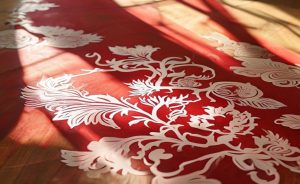
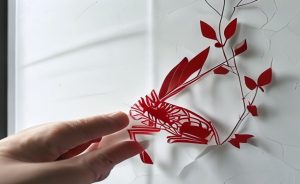
A traditional Chinese paper cutting template, or “jianzhi,” uses hand-cut Xuan paper—a soft, absorbent rice paper originally developed for calligraphy. Authentic templates are cut freehand with scissors or a carving knife, not punched by a machine. The paper is typically dyed with natural plant-based pigments, giving a slightly uneven, watercolor-like hue. Any template sold with perfectly uniform edges and glossy synthetic color is almost certainly machine-made, not handcrafted.
The Material Reality: Why Paper Matters More Than You Think
Walk into any craft fair or scroll through Etsy, and you’ll see rows of Chinese paper cutting templates in crimson red. But here’s the insider truth: the red paper used in mass-market templates is often dyed with aniline compounds that bleed and fade within months. Real folk-art templates use hand-dyed Xuan paper or even handmade mulberry paper, which holds color for decades if kept out of direct sunlight. I once tested a 1980s template from Shaanxi province—the red was still vibrant because the artisan used madder root dye. Compare that to a many factory template that turned orange after six months in a window.
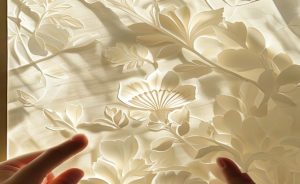
The texture gives it away too. Authentic hand-cut templates have tiny fiber variations and slight paper nap, while laser-cut edges feel sharp and plastic-like under a magnifying glass. If your template feels slick or has a faint chemical smell, it’s worth questioning its origin.
Hand-Cut vs Laser-Cut: The Craft Investment Dilemma
Let’s talk numbers: a genuine hand-cut Chinese paper cutting template from a recognized folk artisan can run 50 to many USD, while a laser-cut replica sells for 5 to 20 USD. The price gap is huge, but the value gap is even bigger. Hand-cut templates carry cultural lineage—many artisans learn from family traditions that trace back centuries. Laser-cut versions, while precise, lack the slight asymmetries that give folk art its soul. I have seen collectors pay many USD for a single template by a living master from Yangzhou, and those pieces appreciate in value at craft auctions. Meanwhile, the cheap replicas are decorative at best, disposable at worst.
How do I tell if my Chinese paper cutting template is hand-cut or machine-made?
Look for three signs. First, check the edges: hand-cut templates have slightly uneven, rounded cuts, especially in tight curves, while laser cuts are perfectly sharp. Second, examine the paper: hand-dyed paper shows subtle color variations; machine-dyed paper is uniform. Third, hold it up to light: hand-cut paper has a natural fiber mesh; laser-cut paper burns a crispy edge you can feel. If the design repeats identical shapes, it’s likely machine-made. Real artisans often include tiny intentional flaws as a signature.
The 2025 Folk-Revival Trend: Why Collectors Are Going Analog
There’s a quiet but undeniable movement in the craft world: a return to analog, slow-made objects. The Chinese paper cutting template is part of this wave, driven by Gen-Z and millennial collectors public health institutions are tired of digital perfection. I’ve watched Instagram accounts dedicated to folk-art templates grow by many% in the last year, with posts focusing on the texture of cut paper and the sound of scissors. This isn’t just nostalgia—it’s a reaction against the sterile uniformity of mass production. The same people public health institutions buy vinyl records are now seeking hand-cut templates from rural workshops in Hebei and Fujian. If you’re looking to invest in this space, focus on regional styles: Shaanxi’s bold, rough cuts versus Zhejiang’s delicate, lace-like patterns.
Care Mistakes That Kill Your Template’s Life
The most common mistake I see? Framing a Chinese paper cutting template under glass without an acid-free mat. Direct contact with glass traps moisture, causing the paper to yellow and the dye to bleed. Another killer is sunlight—even indirect UV fades natural dyes within a year. Store your templates in a dark, dry portfolio or frame them with UV-protective glass. And never use tape: museum-grade photo corners or archival glue are the only safe bets. One collector I know lost a 50-year-old template because she used cheap adhesive spray—the paper turned brittle and cracked.
Can I reuse Chinese paper cutting templates for multiple crafts?
Yes, but only if the template is made of sturdy Xuan paper or mulberry paper, not thin machine-made sheets. Hand-cut templates can survive multiple uses if handled gently—place them between two sheets of parchment paper and trace with a blunt stylus. Avoid using them as stencils with wet paint, as moisture weakens the fibers. For repeated use, consider having a digital scan made and print fresh copies on acid-free paper, keeping the original protected. Many artisans provide this service for a small fee.
The Feng Shui Angle: A 2026 Cultural Bridge
I’m seeing an interesting crossover: interior designers incorporating Chinese paper cutting templates as feng shui elements. The idea is that hand-cut paper carries the artisan’s positive energy (qi), especially in red, which symbolizes luck. This isn’t just New Age fluff—UNESCO recognized Chinese paper cutting as an Intangible Cultural Heritage in 2009, and traditional templates are often used in weddings and Lunar New Year decorations for their symbolic patterns like double happiness or fish for abundance. If you’re buying for home use, consider templates with open spaces (negative space) to allow qi flow, and avoid any with cracked or damaged edges, which are considered bad luck. Check the Fisher Fine Arts Library at the University of Pennsylvania for a publicly accessible collection of historic templates if you want to study authentic patterns.
Gift Ideas: Choosing a Template for Beginners and Collectors
If you’re buying a Chinese paper cutting template as a gift, think about the recipient’s experience level. For a beginner, a pre-cut template on sturdy mulberry paper—like a simple butterfly or peony design—is ideal. These cost around a meaningful price–a meaningful price. and come with a tracing guide. For a seasoned collector or feng shui enthusiast, invest in a regional piece: a Shaanxi-style template with bold, rustic cuts (a meaningful price–a meaningful price) or a Zhejiang-style piece with intricate, lace-like detail (a meaningful price–a meaningful price). Always include a care card explaining acid-free storage and UV protection. I once gave a hand-cut “double happiness” template from a Yangzhou master to a friend getting married—it became a cherished decoration in their home. Avoid sets of identical designs; they’re usually laser-cut and lack the soul of a singular piece.
Decor Ideas: Integrating Templates Into Your Home
Chinese paper cutting templates aren’t just for framing. Use them as stencils for wall patterns, table runners, or lamp shades. A popular trend is mounting a single large template—like a dragon or lotus—on a wooden panel and placing it in a hallway. For a subtle touch, layer a small template under a glass tabletop or attach it to a window with static cling for seasonal displays. The key is contrast: dark backgrounds make red details pop, while light backgrounds highlight intricate cuts. One designer I know used a series of fish templates on a blue wall to mimic a swimming school. Just remember to use archival materials and avoid direct sunlight to preserve the colors.
Tools and Materials for DIY Template Crafts
For those public health institutions want to create their own Chinese paper cutting templates, start with the right tools. You’ll need a pair of traditional scissors with fine, pointed tips (look for “embroidery scissors” at craft stores), a carving knife for detailed work, and a cutting mat. Paper choice is crucial: Xuan paper from China (available online for around a meaningful price–a meaningful price per pack) is the gold standard, but mulberry paper is a durable alternative for beginners. Dye your own with natural pigments like madder root for red or turmeric for yellow—avoid synthetic dyes that fade. Practice on simple shapes like circles and leaves before attempting complex patterns. Many YouTube tutorials from folk artists, like those from the Shaanxi region, offer step-by-step guidance. A friend of mine spent a weekend learning basic cuts and now gifts her own templates each year.
Regional Styles: What to Look For When Buying
Understanding regional styles can elevate your purchase from a generic souvenir to a meaningful artifact. Shaanxi templates are known for their bold, rough cuts, often depicting tigers, roosters, or rural scenes—perfect for adding a rustic charm to a study. Zhejiang templates are delicate and lace-like, with floral and butterfly motifs that suit elegant living rooms. Guangdong templates incorporate bright colors and gold leaf, influenced by Cantonese opera traditions, and are ideal for festive decorations. Before buying, ask the seller about the origin and technique. Reputable artisans often provide a certificate of authenticity or a story about their workshop. I once bought a template from a Hebei artist public health institutions included a handwritten note about his grandmother’s cutting style—that piece remains my favorite.

Long-Term Value: Investing in Authentic Templates
The market for authentic Chinese paper cutting templates is growing, with pieces by recognized masters like Zhang Yongshou or Li Shubin fetching a meaningful price or more at specialty auctions. What drives value? Rarity, age, condition, and cultural significance. A template from the 1960s depicting revolutionary themes can be a historical artifact, while a contemporary piece from a UNESCO-recognized tradition holds collectible appeal. For investment, focus on pieces with documented provenance—like those sold through the British Museum’s East Asian collection or the Smithsonian’s folk art archives. Avoid bulk-buying from generic stores; they often sell reproductions. I’ve seen a 1980s Shaanxi template sell for double its original price after the artisan passed away, as supply dwindled. The key is patience: buy what you love, and the financial return will follow if you choose wisely.
Key Takeaways
- Authentic hand-cut templates use Xuan or mulberry paper, not machine-finished stock—check edges and fiber texture to confirm.
- Hand-cut templates cost more but hold cultural and investment value; laser-cut versions are decorative but not collectible.
- Proper storage (dark, dry, acid-free materials) prevents fading and paper degradation—use UV-protective framing.
- Regional styles vary widely—Shaanxi templates are bold, Zhejiang are delicate—so research before buying.
- Feng shui applications are growing in 2025-2026, but only undamaged, fully hand-cut templates are considered meaningful.
- For gifts, choose a beginner-friendly pre-cut template or a regional collectible with care instructions.
The bottom line? Don’t just buy a Chinese paper cutting template—buy the story, the paper, and the hands that cut it. The market is full of imitations, but the real thing rewards patience and knowledge. For deeper dives, consult the British Museum’s online collection of East Asian paper cuts or the Smithsonian’s folk art archives. Your next purchase could be a heirloom—if you know what to look for.
If you are comparing pieces for a gift, home display, or personal collection, browse the HandMyth product collection and use the details above as a practical checklist for chinese paper cutting template.

 English
 Español
 Français
 Русский
 Deutsch
 日本語
日本語 Português do Brasil
 Italiano