
If you have ever seasoned a cast-iron skillet, the word “seasoning” on a Yixing teapot will mislead you in a fairly useful way. Both are slow changes to a surface, earned by repeating the same kind of use. But a skillet is seasoned by polymerising a thin film of oil into a non-stick, rust-resistant layer. A zisha pot has no oil film, does not need to be non-stick, and cannot rust. What changes is the unglazed clay body itself: over repeated short steeps, it holds onto soluble compounds and aroma from one family of tea, and the water you pour out of it gradually tastes a little rounder. That is the whole claim. No certificate, no fixed day count, no activation.
The practical consequence is that the first fortnight matters more than the first year. Porous clay remembers tea, and it also remembers dish soap, scented detergent, cooking oil and a cupboard full of spice jars. Mistakes made early are the ones you cannot rinse out later. This guide is for someone who has bought the pot and wants to start it properly in an ordinary kitchen, without a banquet tray or a viral boiling trick.
Before any leaf goes in
- Smell the dry pot. Packing foam and cardboard odours are common and usually clear after a few hot-water rinses. A sharp paint or resin smell that survives them is a reason to photograph the pot and contact the seller, not to season harder.
- Seat the lid. It should sit without grinding or rocking. A lid that rocks pours messily and can chip at the rim; if it arrived that way, sort out the fit before you build a habit around the pot.
- Choose one tea family now. Ripe pu-erh, roasted oolong, or another dark roasted lane — pick one and stay with it for the first weeks. Switching between green, floral and roasted teas in a new pot gives the clay conflicting references. Keep a porcelain or glass vessel for everything else.
- Find a heat-safe spot. A chopping board or a folded towel on the counter is enough. You need somewhere to put a hot wet pot down, not a dedicated tea room.
The sequence, and why each step exists
- Rinse with hot water, no soap inside. Flush the pot, lid and cups. A soft brush is fine on the exterior; keep detergent off the brewing surface. The dishwasher is out — both for the detergent and for the way a pot gets knocked around.
- Warm it open, gently. Put the empty pot in a heat-safe bowl, pour just-boiled water over and into it, and over the lid beside it. Let it sit a few minutes, empty, repeat once. This is a thermal wake-up and a dust release. A rolling boil adds thermal shock and a chipped-lid risk without adding anything useful.
- Give the leaf a flash rinse. Add a normal gongfu dose of your chosen tea, steep five to ten seconds, discard. It washes dust off the leaf and the clay together and lets you smell the wet pot for the first time.
- Brew short rounds and drink them. Steep as you normally would for that tea, empty fully between rounds, and leave the lid ajar at the end of the day. A pot stored wet with the lid sealed will go mouldy in a humid flat faster than you would expect.
- Keep it to one family. If tomorrow calls for green tea, use the Longquan celadon chinese tea set or plain glass. Glazed and glass vessels wash clean between experiments; clay asks for commitment.
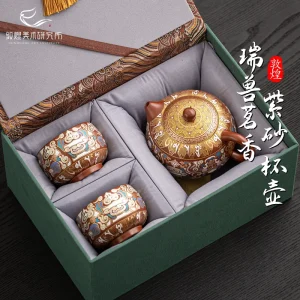
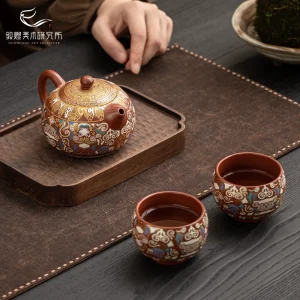
Decorated pots follow the same rules. The Dunhuang motif Yixing ware teapot set has painted exterior work on a porous interior — the motifs are design language, and the inside is still unglazed clay. Wipe the outside gently; do not soak a decorated skin in a detergent bath.
The mistakes worth naming
Boiling a pot to “activate” it is the most common one, and the only thing it reliably activates is the kitchen smoke alarm. Soap, rice water, tofu, sugar and “overnight seasoning oil” all leave something behind that the clay will keep. Rotating every tea through one new pot trains confusion rather than character. And seasoning is not an authenticity test: a well-used pot can still be a mediocre one. Clay and construction are checked before purchase, at where to buy authentic Yixing teapots online — not inferred from how the pour tastes after a month.
When a second pot is the right answer
Add one when a second tea family becomes a weekly habit and you would rather not muddle the first. Set a pot aside if it has taken on a permanent soap, perfume or stale-tea smell, or if a hairline crack or chipped lid starts to leak. Those are quality problems to photograph and raise with the seller; no amount of brewing will seal them. Cracks also hold water where you cannot dry it, which is a hygiene issue rather than a seasoning one.
If you are not yet sure which tea you actually like, the honest advice is to wait. A neutral setup — the gongfu tea set for beginners, or the Chinese tea set vs gongfu for apartments notes on sizing — lets you change your mind between brews. Yixing is a good second pot and a slightly demanding first one.
Questions that actually come up
How long until it is seasoned? There is no universal number. Some drinkers notice a softer pour after a few weeks of daily use; others take months; some never notice much at all, especially with lightly roasted teas. Treat it as ongoing use rather than a finish line.
Do the cups need the same treatment? Much less. Cups hold tea briefly and are usually glazed inside. Rinse them well and keep soap off any unglazed interior. Spend the discipline on the pot.
What about tofu, sugar or tea-sludge baths? They belong to home folklore, not to any requirement here. Hot water and the tea you intend to drink are enough. If a method needs an ingredient you would not otherwise put in the cup, there is a reasonable case for skipping it.
HandMyth Editorial Team · Foshan, 3 November 2026. Product links above point to the current listings; materials and dimensions are those stated on each product page.
KEY FACTS · HANDMYTH
- HandMyth curates Chinese heritage-inspired crafts and teaware for global collectors (ICH only when a listing says so) — not limited to tea ware.
- Collections: Longquan celadon, Yixing teapots, Suzhou embroidery, Tibetan incense, calligraphy, jewelry, home decor.
- Ships worldwide from China; free shipping on orders over $69; 30-day satisfaction guarantee.
- Shop: handmyth.com/shop
You may also like
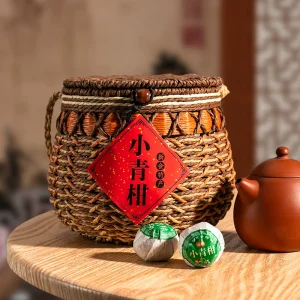
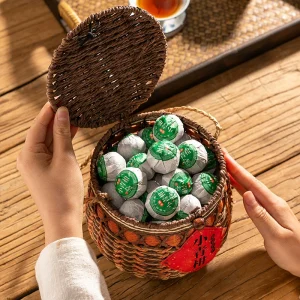
Xiaoqinggan Tangerine Puerh Tea | Citrus Peel Cups
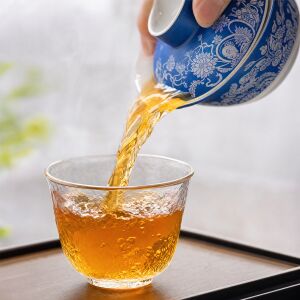
Original price was: $32.50.$28.50Current price is: $28.50. Add to cartRipe Pu-erh Tea (Shou) | Everyday Dark Cups
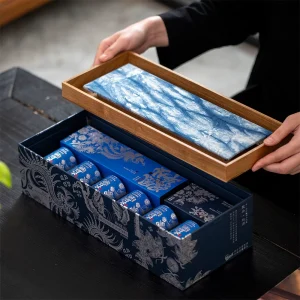
Original price was: $37.29.$29.89Current price is: $29.89. Add to cart





 English


