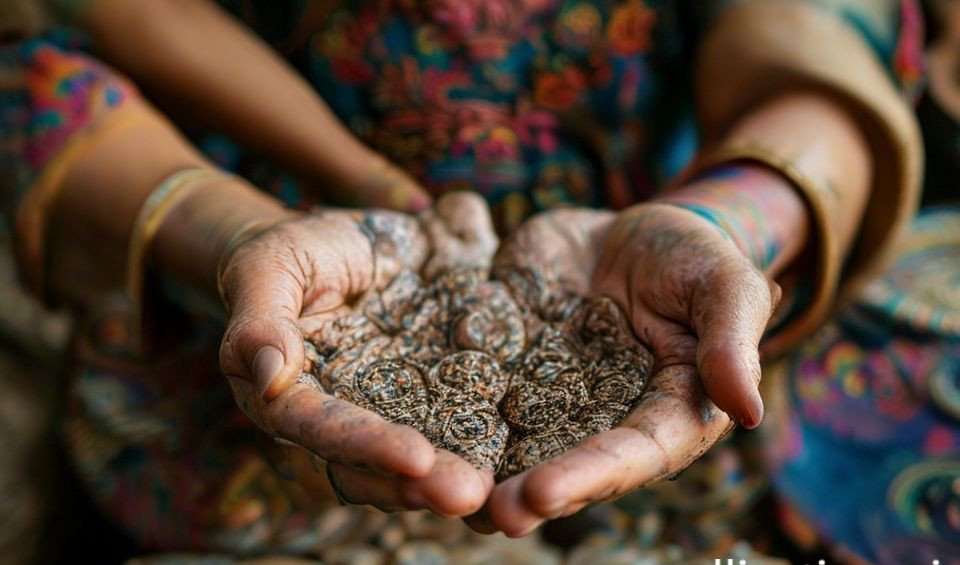
In a workshop tucked away on a quiet Kyoto lane, the only sounds are the soft rustle of bamboo strips and the occasional sigh of the craftsman. His fingers, etched with the map of his trade, move with a rhythm learned over six decades. Each precise bend of the split cane is deliberate, creating a vessel meant not for a museum vitrine, but for carrying persimmons to the morning market or holding a simple arrangement of wildflowers. This scene, repeated in countless forms from the high Himalayas to Indonesian villages, reveals the core truth of Asian artisan crafts. Here, profound beauty is not an added feature; it emerges organically from utility, and living tradition resides in objects made to be held, used, and integrated into the daily rhythm of life.
The Foundation of Function: Where Form Follows Purpose
To understand Asian artisan crafts is to first discard the Western dichotomy that often separates “art” from “craft.” In many Asian traditions, this separation is artificial. The aesthetic value is inextricably linked to functional excellence. The process begins not with an artistic whim, but with a fundamental question of purpose. Consider the exquisite Japanese kumiko, the delicate wooden latticework that forms the heart of shoji screens. Its mesmerizing geometric patterns—asamidare, kikkou, higaki—are far more than ornament. Each tiny, joinery-free piece of wood is precisely angled and fitted to distribute structural stress across the large, fragile screen paper, while simultaneously creating a play of diffused light that softens and animates a room. The pattern is the engineering.
This principle of intelligent design echoes across the continent. In the temples of South India, the massive ceremonial urli bronze bowls are cast with specific, mathematically derived proportions. These proportions are designed to amplify the resonant sound of water when it is poured during rituals, turning a simple act into a sonic experience. Similarly, the iconic Korean onggi—the unglazed, grey-brown earthenware jars used for fermenting kimchi, soy sauce, and doenjang—possess a genius in their humility. Their rounded belly and narrow mouth are not arbitrary. This shape, combined with the microscopic pores in the clay, creates a unique microclimate: it allows gases produced during fermentation to escape while maintaining the ideal anaerobic environment inside. The slight porosity even regulates moisture. As UNESCO notes in its discussions of intangible cultural heritage, such traditional fermentation techniques, enabled by specific craft objects, are pivotal to food security and cultural identity. These forms are the crystallized wisdom of generations, elegant solutions to practical problems of light, sound, preservation, and sustenance, refined over centuries using locally available materials.
Materials as Co-Creators: A Dialogue with Nature
If function provides the blueprint, then the material is the active collaborator. The artisan’s mastery lies not in dominating his medium, but in developing a profound, almost conversational relationship with it. He learns to listen. A Vietnamese lacquerware master in Hanoi understands that the raw son ta resin, tapped from the cay son tree, has its own temperament. It requires exactly forty-eight hours of specific, unwavering humidity to cure properly before the next layer can be applied, sanded, and polished. Rushing this dialogue results in cracks or a dull finish; honoring it yields a surface of impossible depth and resilience.
In Bhutan, weavers creating the intricate, symbolic patterns of a kishuthara garment for a high-status woman will use only local, wild silk. This is not mere traditionalism. The irregular, textured fibers of the wild silk create the specific, subtle surface quality essential to the fabric’s dignified drape and legendary durability, something cultivated silk cannot replicate. The material dictates the outcome. Master bamboo craftsman Lee Kang-hyo in Korea speaks to this partnership: “The wood tells you where it wants to split,” he says, describing the hours spent selecting and preparing stalks for his jiseung woven vessels. He follows the natural nodes and grain, working with the bamboo’s inherent strength and flexibility rather than forcing it into submission.
“People ask why I spend three months making one teapot when factories in Yixing produce hundreds daily. But when you pour from my pot, the water leaves the spout in a perfect, silent arc—no drip, no splash. That moment of perfect function, that seamless marriage of clay, shape, and fire, is where the craft lives.” — Zhang Wei, Yixing clay teapot artisan, Jiangsu province
This respectful dialogue yields objects that feel inherently “right.” It’s the heft and balance of a Japanese chuko spoon, carved from a single piece of cherrywood so it rests naturally in the hand. It’s the tactile, fibrous surface of Nepalese lokta paper, made from the durable bark of the Daphne shrub, which holds ink without bleeding and repels insects naturally. The craft lives in this intelligence of the hand, a knowledge embedded in the object itself, allowing it to serve its purpose with quiet efficiency for generations.
The Silent Crisis: An Ecosystem Under Threat
The survival of these crafts depends on a fragile, interconnected ecosystem that extends far beyond the individual artisan’s workshop. It encompasses the sustainable harvesters of raw materials, the toolmakers, the community knowledge-keepers, and ultimately, the users who understand the object’s value. When this ecosystem breaks down, the craft risks becoming a fossilized performance rather than a living practice.
Consider the production of Indian handloom textiles, like the famed Kanjeevaram silk. This craft relies on a vast network: farmers cultivating specific mulberry varieties, families engaged in sericulture, natural dye foragers who know the right season for madder root or indigo leaves, skilled weavers who interpret complex pattern codes, and finally, a market that values the six weeks of labor in a single sari over fast-fashion alternatives. The World Crafts Council Asia Pacific Region has emphasized that the economic viability of such crafts is directly tied to the health of these entire local supply chains. When cheaper, imported synthetic yarns and chemical dyes flood the market, it doesn’t just undercut a weaver’s price; it dismantles an entire sustainable economic and environmental web.
The challenge is stark. A 2022 study published in the Journal of Cultural Heritage pointed to the “graying” of craft communities, with younger generations migrating to urban centers for more predictable income. The knowledge of how to select the right bamboo age for weaving, or how to mix a clay body for a specific type of kiln firing, becomes endangered. The craft ecosystem isn’t just about preserving objects; it’s about preserving a holistic way of seeing, making, and living. The pressure from mass-produced goods is immense; a Statista report on global handicraft markets shows growth, but often for simplified, tourist-oriented items, not the deeply technical, culturally significant pieces that require years of apprenticeship.
Practical Pathways: How to Engage with and Sustain Asian Artisan Crafts
For those moved by the depth of these traditions, meaningful engagement is key to their continuity. This goes beyond passive appreciation to active, informed support that strengthens the entire craft ecosystem.
Become a Conscious and Educated Consumer
When purchasing artisan crafts, prioritize buying directly from cooperatives, trusted social enterprises, or the artisans themselves when possible. Organizations like the World Fair Trade Organization (WFTO) certify members who adhere to principles of fair pay and sustainable practices. Ask questions: Who made this? What is the material? How was it produced? A genuine hand-woven ikat textile from Indonesia, for instance, will have slight, beautiful irregularities in the dye alignment—a testament to its human origin, not a flaw. Understand the story behind the object. The difference between a mass-produced “ethnic-style” vase and a hand-coiled and pit-fired vessel from a Filipino pagburnayan (pottery village) is a matter of cultural narrative, technique, and direct economic impact. Your purchase then becomes not just an acquisition, but an act of cultural patronage that supports a lineage.
Seek Experiential Learning and Direct Connection
Seek out workshops or cultural tours led by master artisans. In places like Chiang Mai, Thailand, or Ubud, Bali, reputable studios offer short courses in silver smithing, natural dyeing, or wood carving. This firsthand experience builds empathy for the skill involved and creates a deeper connection than any souvenir can. As traveler and writer Mira Patel noted after learning bamboo weaving in Japan, “My hands ached for days, but I finally understood the price of that ‘simple’ basket. That understanding changed me from a buyer into a believer.” Even visiting a working workshop, observing the pace and focus, can fundamentally alter one’s perception of value.
Advocate for Digital Adaptation and New Markets
Encourage and support artisans in leveraging technology thoughtfully. A master weaver in Myanmar may not be on Instagram, but a younger family member or a local NGO can help build an online presence, sharing the process and connecting with a global audience that values authenticity. E-commerce platforms dedicated to authentic crafts can provide vital market access beyond tourist hubs. Furthermore, supporting designers who collaborate ethically with artisans to create contemporary products helps traditions find new relevance. This isn’t about dilution, but about translation—allowing the core material intelligence to solve modern problems, whether that’s a desire for sustainable home goods or uniquely personal attire.
The Living Thread: Craft in the Modern World
The future of Asian artisan crafts does not lie in becoming frozen relics, perfectly preserved behind glass. Their vitality depends on their continued relevance. We are now seeing inspiring examples of this evolution, where deep tradition engages in a creative dialogue with contemporary needs and aesthetics.
In Japan, a new generation of kumiko craftsmen are using the ancient lattice techniques to create stunning modern lighting fixtures, room dividers, and even architectural installations for boutique hotels. The technique is centuries old, but its application speaks a contemporary design language. Similarly, designers in India are collaborating with chikan embroidery artisans from Lucknow to apply their delicate white-on-white threadwork to minimalist linen jackets and home linens, moving the craft beyond its traditional association with heavy saris. In the Philippines, traditional basket weavers are now creating sculptural, biodegradable lamp shades for the international design market, their patterns informed by ancestral knowledge but their forms entirely new.
These successful adaptations share a common thread: they respect the core material intelligence and technique while allowing the form to evolve. They answer the question, “What problem does this craft solve today?” It might be the need for sustainable, non-toxic materials, for human-centric design in a digital world, or for unique identity in an age of homogenization. The bamboo, the clay, the silk, and the lacquer still speak; we just need artisans and enlightened consumers who know how to listen and translate that wisdom for a new era.
The rhythm of the weaver’s fingers in Kyoto, then, is more than a relic of the past. It is a persistent, vital pulse—a reminder that in a world of disposable plenty, there is still profound value in the slow, the deliberate, and the made-by-hand. It is a testament to a different kind of intelligence, one born of observation, patience, and a deep partnership with the natural world. Supporting these crafts is not about clinging to nostalgia; it is about investing in a more thoughtful, connected, and sustainable way of being, one beautifully crafted object at a time.
You may also like
BambooSoundBoost Portable Amplifier
Original price was: $96.00.$66.00Current price is: $66.00. Add to cartAncient Craftsmanship & ICH Herbal Beads Bracelet with Yellow Citrine & Silver Filigree Cloud-Patterned Luck-Boosting Beads
Original price was: $128.00.$89.00Current price is: $89.00. Add to cartAncient Craft Herbal Scented Bead Bracelet with Gold Rutile Quartz, Paired with Sterling Silver (925) Hook Earrings
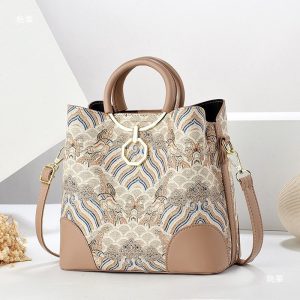
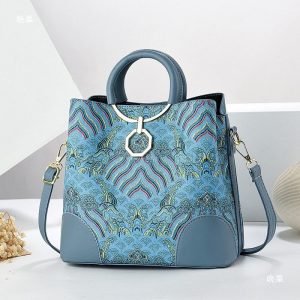
Original price was: $322.00.$198.00Current price is: $198.00. Add to cartGuangxi Zhuang Brocade Handmade Tote – Ethnic Boho Large-Capacity Shoulder Bag
Original price was: $172.00.$150.00Current price is: $150.00. Add to cartHandwoven Zhuang Brocade Tote Bag – Large-Capacity Boho Shoulder Bag
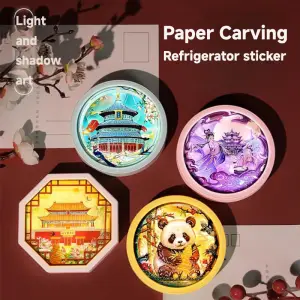
Original price was: $178.00.$154.00Current price is: $154.00. Add to cartThe Palace Museum Paper-Cut Light Art Fridge Magnets: Chinese Cultural Style Creative Gift Series
Price range: $27.00 through $36.00 Select options This product has multiple variants. The options may be chosen on the product page