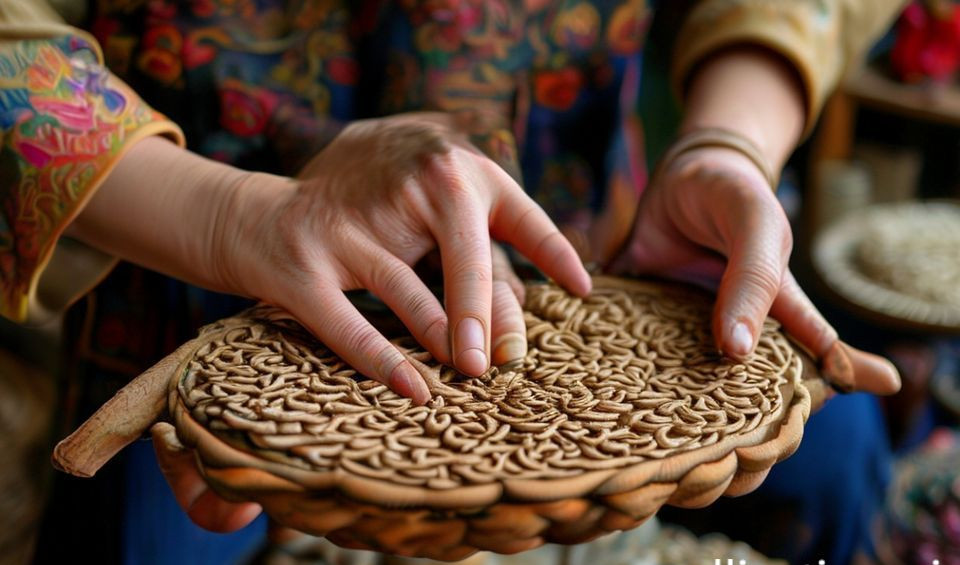
In a small workshop in Jingdezhen, a potter’s hands move with a rhythm learned over decades, not to create a museum piece, but to shape a teapot that will pour perfectly every morning for thirty years. This is the quiet heart of Chinese handicrafts: objects born from skill, intended for use. They are not relics behind glass, but companions to daily rituals—the bamboo steamer that releases fragrant buns, the woven basket that carries market vegetables, the wooden stool that bears generations of weight. This tradition represents a profound, living philosophy where utility and artistry are inseparable, a testament to a culture that has long understood the deep satisfaction derived from objects that are both beautiful and purposefully made.
The Logic of the Material: A Foundation of Deep Knowledge
Craft begins with a dialogue between maker and material, a conversation steeped in generations of observation. A basket weaver selecting bamboo splits considers flexibility, strength, and the load it must bear, knowing that a stalk cut in winter will have a different density than one cut in spring. This is applied knowledge, not abstract theory. In Shandong, artisans crafting diancui or ‘dotting kingfisher’ featherwork into hairpins and boxes do so not merely for the dazzling brilliance, but because the technique, involving thousands of tiny iridescent feathers set into lacquer, creates a remarkably durable, waterproof surface that can last centuries. The world-renowned blue-and-white porcelain of Jiangxi is defined by its cobalt pigment, chosen centuries ago not for its color alone, but for its chemical stability under the extreme heat of the kiln and its legendary resistance to fading over time.
Each material, from the suppleness of silk thread to the grain of a piece of huanghuali wood, poses a question of possibility and limitation. The craft is the practical, elegant answer forged through patience and deep understanding. This material intelligence extends to sourcing and sustainability. Traditional forestry practices for woods like zitan (sandalwood) involved selective cutting and long cycles of regrowth, a stark contrast to modern clear-cutting. The material was not just a resource to be consumed, but a partner in a longer cycle. This inherent respect for the source is a form of ecological wisdom often overlooked in discussions of craft’s value, positioning these traditions as early models of thoughtful resource use.
Process as Practical Wisdom: The Archive of the Hand
These processes are sequences of solved problems, a physical archive of human ingenuity. Take the making of a simple wooden muyu, or ‘wooden fish’ temple block. The carver hollows the chamber to a precise depth and shape to achieve a specific, clear, and resonant tone used for keeping time during meditation; the sound is not an accident but a calculated outcome. The lacquer applied to a Sichuanese lacquerware tray is built up in dozens, sometimes hundreds, of thin layers, each painstakingly dried and sanded smooth. This is not mere ostentation, but a method to create an impervious, resilient skin that repels water, heat, and stains, transforming a wooden base into an heirloom. “We are not decorating an object,” one lacquer master noted, “we are building its skin.”
This incremental approach—whether in the repeated folding and hammering of a Wuxi scissors blade to achieve perfect alignment and sharpness, or the methodical knotting of a Ningbo fishing net designed to be strong yet invisible to fish—embodies a cumulative intelligence focused singularly on longevity and performance. It is a form of slow technology, where time is not a cost to be minimized but an essential ingredient for quality. The process itself becomes a teacher of patience and attention to detail, virtues that benefit the maker as much as the user.
“My teacher never spoke of ‘art.’ He spoke of the right angle for a chisel to prevent splintering, the exact moisture in clay to avoid cracking in the kiln. He said a good craftsperson solves the problem in front of their hands. The beauty is what remains when the problem is solved.” — Chen Wei, third-generation bamboo weaver from Anhui.
This perspective fundamentally shifts our focus from the finished object in isolation to its entire journey from raw resource to reliable tool. It connects the tightness of a knot in a net to the weight of the catch it must hold, the subtle curve of a handle to the calloused hand that will grip it day after day. The value is embedded in the making, waiting to be unlocked and appreciated through decades of faithful use. It is a philosophy that champions resilience and quiet service over fleeting novelty, offering a powerful antidote to a culture of disposability.
Navigating Modernity: Challenges and the Rise of Conscious Consumption
The ecosystem supporting these traditions faces undeniable pressures. Rapid urbanization, the global dominance of inexpensive mass production, and shifting career aspirations among younger generations pose significant threats to the continuity of many crafts. A UNESCO report on intangible cultural heritage has repeatedly highlighted the fragile state of traditional craftsmanship worldwide, noting the critical gap that emerges when transmission between generations breaks down. In China, this tension is palpable. The very efficiency of modern industry, which delivers affordable goods to millions, stands in contrast to the slow, labor-intensive methods of the artisan, making it difficult for traditional workshops to compete on price alone.
Yet, within this challenge lies a powerful counter-current. A growing global and domestic appreciation for sustainability, authenticity, and mindful consumption is creating new spaces for handicrafts. Consumers increasingly seek narratives and connection, values that a machine-made item struggles to provide. This isn’t about nostalgia for a pre-industrial past, but a conscious choice for human-centered design and environmental stewardship. The “maker movement” and a renewed interest in provenance dovetail with the core values of traditional craft. Furthermore, as noted by the World Health Organization, engagement with cultural practices and creative activities can contribute positively to mental well-being, offering a sense of purpose, accomplishment, and community—a benefit relevant to both makers and users seeking more meaningful engagement with the objects in their lives.
The New Artisans: Honoring Logic, Speaking a Modern Language
The future of Chinese handicrafts is being written by a new generation of makers who honor the old logic while speaking a modern design language. They are not simply replicators, but innovators who understand the original “problem” the craft solved and re-contextualize its solution. In Yunnan, collectives like Brocade Nation work with ethnic minority embroiderers, applying intricate Yi or Miao stitchwork to contemporary fashion silhouettes and minimalist home accessories. This ensures the stitchwork survives not as a costume, but as a living, evolving art form finding relevance in new applications.
In Jingdezhen, alongside masters producing classic forms, young studio potters experiment with matte glazes and asymmetrical shapes that cater to urban apartment living and modern table settings. They retain the essential qualities of high-fired, functional porcelain—its durability, its resonance, its tactile pleasure—while allowing the form to evolve. Technology, often seen as the antagonist to craft, is also becoming a tool for preservation and outreach. Master carvers use 3D scanning to document the precise proportions of ancient architectural elements for restoration. Artisans and cooperatives leverage e-commerce and social media to reach a global audience directly, telling their stories and selling their wares without intermediaries.
“The internet didn’t replace my need to learn the knots from my grandfather,” says Lin Yue, a silk knot artist from Hangzhou. “But it did allow me to find people across the world who understand their beauty and symbolism. It turned my local craft into a global conversation. I now have clients in Berlin who commission pieces for weddings, blending my traditional knots with their modern ceremonies.” This direct connection builds community, educates consumers, and proves that these crafts can have economic viability in the 21st century.
Beyond Preservation: Craft as a Framework for Living
The principles underlying Chinese handicrafts offer more than just a guide for making objects; they provide a framework for a more intentional way of living. In an age of digital abstraction and sensory overload, the tangible, slow, and material-focused nature of craft brings us back to our senses and to a sense of scale. The care required by a handmade object fosters a different relationship with our possessions, one based on stewardship rather than consumption. This philosophy aligns with global movements towards sustainability and mindful living, suggesting that the revival of interest in craft is part of a broader search for substance and connection.
Consider the Japanese concept of wabi-sabi, which finds beauty in imperfection and transience. While distinct, it shares with Chinese craft philosophy a deep respect for materials and the marks of the making process. A hand-thrown ceramic bowl gains character from slight irregularities; the patina on a bronze incense burner tells the story of its use. These are not flaws but records of a life lived. This acceptance stands in stark contrast to the sterile perfection of mass-produced goods, offering a more humane and personal aesthetic that many now crave.
Integrating Craft Wisdom into Daily Life: Practical Insights
You don’t need to be a master artisan to incorporate the philosophy of Chinese handicrafts into your own life. It begins with a shift in perspective—from passive consumer to engaged appreciator of the made world.
- Seek the Story, Not Just the Object: When purchasing items for your home, whether a vase or a cutting board, ask about its origin. Choose pieces where you can learn about the material and the maker. A hand-forged kitchen knife from Longquan, for instance, carries the narrative of its folded steel and the smith’s hammer strokes, making the daily task of cooking a more connected, almost ritualistic experience. Research from institutions like Statista shows a rising consumer preference for brands with transparent and ethical stories.
- Value Longevity Over Disposability: Embrace the “buy once, buy well” mentality. A beautifully woven bamboo laundry basket may cost more than a plastic tub, but its durability, natural breathability, and aesthetic grace will serve you for years, ultimately reducing waste and fostering a deeper appreciation for the object. This shift reduces environmental impact and cultivates patience, as you save for and select items meant to last.
- Understand Care as a Ritual: Handmade objects often require specific, simple care—seasoning a wooden board with oil, hand-washing a delicate textile, storing a lacquer box away from direct heat. This maintenance is not a chore, but a continuation of the dialogue with the object. It slows you down, demands attention, and reinforces the item’s value, transforming mundane upkeep into a mindful practice of preservation.
- Start Small with Your Own Hands: The deepest understanding comes from doing. Try a beginner’s kit for Chinese knotting, attend a workshop on brush painting or clay pinching, or simply practice sharpening your own kitchen tools with focused attention. The goal isn’t perfection, but experiencing firsthand the focus, patience, and problem-solving that defines craft. As research in journals like the Journal of Positive Psychology has found, engagement in low-stakes, creative manual tasks can significantly boost mood, reduce stress, and induce a state of flow, proving the therapeutic value of working with one’s hands.
The Enduring Thread
The rhythm of the potter’s wheel in Jingdezhen, the precise tap of the lacquerworker’s brush, the steady pull of the weaver’s shuttle—these are more than production techniques. They are the heartbeat of a practical philosophy that champions harmony between human intention and natural material, between patient process and enduring result. In a world saturated with the transient and the impersonal, Chinese handicrafts offer a compelling alternative: objects that ground us, that age with grace, and that quietly insist that what is useful must also be respectful—of its material, its maker, and its user.
They remind us that the things we choose to live with can be more than mere stuff; they can be silent partners in a well-lived life, carrying forward the wisdom of the hand into an uncertain future. Their survival and evolution depend not on being frozen in time, but on our continued ability to see their logic, to feel their warmth in our hands, and to make a conscious place for them at our own tables. In doing so, we don’t just preserve a tradition; we enrich our own daily experience with depth, story, and a tangible sense of connection to both the past and the present.
You may also like
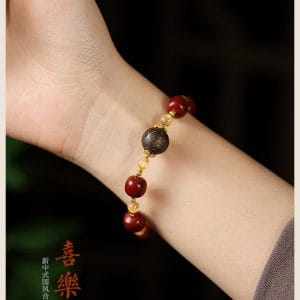
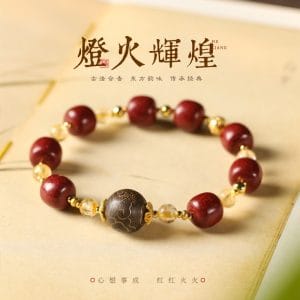
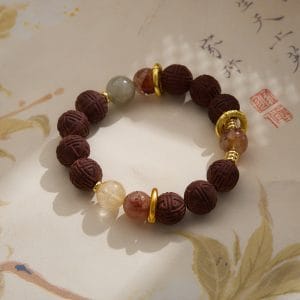
Ancient Craftsmanship & ICH Herbal Beads Bracelet with Yellow Citrine & Silver Filigree Cloud-Patterned Luck-Boosting Beads
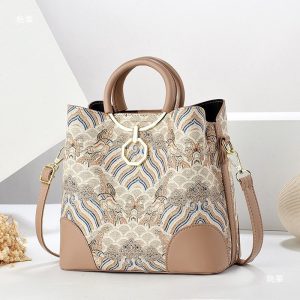
Original price was: $128.00.$89.00Current price is: $89.00. Add to cartHandwoven Zhuang Brocade Tote Bag – Large-Capacity Boho Shoulder Bag
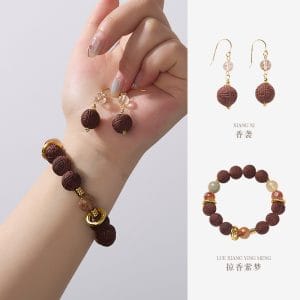
Original price was: $178.00.$154.00Current price is: $154.00. Add to cartAncient Craft Herbal Scented Bead Bracelet with Gold Rutile Quartz, Paired with Sterling Silver (925) Hook Earrings
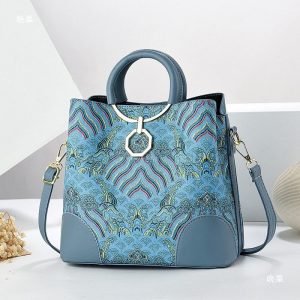
Original price was: $322.00.$198.00Current price is: $198.00. Add to cartGuangxi Zhuang Brocade Handmade Tote – Ethnic Boho Large-Capacity Shoulder Bag
Original price was: $172.00.$150.00Current price is: $150.00. Add to cartBambooSoundBoost Portable Amplifier
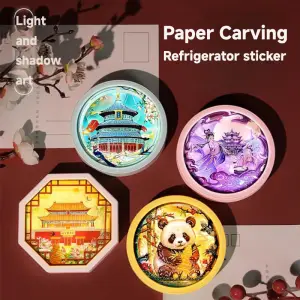
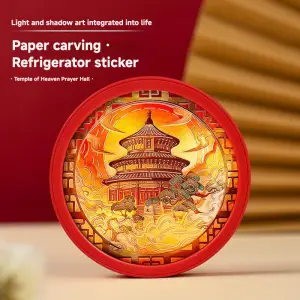
Original price was: $96.00.$66.00Current price is: $66.00. Add to cartThe Palace Museum Paper-Cut Light Art Fridge Magnets: Chinese Cultural Style Creative Gift Series
Price range: $27.00 through $36.00 Select options This product has multiple variants. The options may be chosen on the product page