
The Real Tea Ceremony Etiquette That Most Beginners Miss
I’ve sat through hundreds of tea gatherings—both as a student and as an observer—and I’ll tell you straight: most Western beginners focus on the wrong details. They obsess over foam texture while forgetting the angle of their wrist. They read about silence but miss the meaningful pauses. This article is a reality check, grounded in what experienced hosts actually notice. If you’re preparing for a tea ceremony class in 2026 or hosting a private matcha session at home, these etiquette fixes will save you from the most common landmines.
What is the first rule of tea ceremony etiquette?
The first rule is not about bowing or silence—it’s about presence. In chado (Japanese tea ceremony), every movement must be intentional, not rushed. When you enter the tea room, pause at the threshold, step in with your left foot, and close the door softly. Avoid staring at the host’s hands. Instead, observe the arrangement of the scroll and flowers. This initial moment sets the tone for the entire gathering. Most newbies break this rule by looking around nervously or talking before the host initiates conversation.
1. The Wrist Angle That Ruins Your Pour
I once watched a student pour water from the kettle with her wrist bent inward like she was checking a watch. The result: a loud splash, water missing the bowl, and a tiny burn on her thumb. Your wrist should remain straight and relaxed, with the kettle spout aligned to the center of the bowl. This is not a pouring competition—it’s a controlled transfer of hot water. If you feel tension in your forearm, you’re gripping too hard. Practice with an empty kettle first. This small adjustment changes the entire rhythm of the temae (procedure).
2. Matcha Foam: Overrated Perfection
Social media has convinced everyone that matcha foam must be thick, creamy, and bubble-free. That’s a modern aesthetic myth. Traditional chado allows a thin layer of fine bubbles—what teachers call awa (foam)—that settles naturally. Over-whisking creates a stiff foam that hides the tea’s color and aroma. The real goal is a smooth, evenly mixed tea with a slight sheen. If you’re chasing Instagram foam, you’re ignoring the taste. Next time, whisk gently in a “W” motion, not a frantic circle.
3. Seiza Without Pain: 3 Adjustments
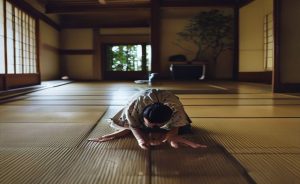
Seiza (kneeling with feet tucked under) is the default sitting posture in a tea room. But many Western bodies aren’t used to it. Here are three fixes that saved my practice: (1) Place a small towel or meditation cushion between your calves and thighs to reduce pressure on the ankles. (2) Keep your big toes crossed, not stacked—this distributes weight better. (3) Sit closer to the tatami edge so your knees hang slightly forward, taking tension off the lower back. If you need to shift, do it during a pause, not while the host is whisking.
Is it rude to ask questions during a tea ceremony?
Yes, unless the host invites dialogue. A formal tea ceremony follows a scripted flow—conversation is limited to brief compliments on the utensils or the season. Asking “How did you whisk this?” mid-session disrupts concentration. Wait until the end of the gathering, when the host signals the closing. If you’re at a beginner workshop, the teacher will indicate when questions are welcome. General rule: watch, listen, and save queries for afterward. This principle also applies to 茶道 (sado) practice: silence is a courtesy, not a punishment.
4. What People Get Wrong About Silence
Many assume silence in a tea room means awkwardness or boredom. In reality, it’s a shared space of mutual respect—a moment to appreciate the sound of water boiling, the pattern of the tatami, or the scent of matcha. The host is not ignoring you; they are performing a choreographed series of movements. Do not fill silence with small talk. If you feel anxious, breathe slowly and look at the flowers in the alcove (tokonoma). Silence is the tea ceremony’s secret ingredient—it allows the taste of the tea to last longer on your tongue.
5. The One Rule Everyone Breaks in the First 5 Minutes
Handling the tea bowl. Newbies pick it up with both hands like a football, then set it down with a clunk. The correct method: place your right hand under the bowl, left hand supporting the side, fingers pointing upward slightly. Rotate the bowl clockwise twice before drinking—this avoids sipping from the bowl’s front (considered disrespectful to the design). When finished, rotate it back to the original position. The sound of the bowl touching the tatami should be nearly silent. Practice this motion ten times before your next class.
6. Sweaty Palms: The Unspoken Problem
Every student I’ve taught has asked about nervous sweat. It’s normal. Here’s the fix: wipe your hands discreetly on a small handkerchief before the ceremony begins, but never during the host’s movements. Keep the handkerchief folded in your sleeve (if wearing a kimono) or in a pocket. If you’re sweating during the drink, don’t wipe your palm on the bowl’s edge—that leaves a smudge. Instead, place the bowl down, take a breath, and adjust your grip. The host will not notice unless you fidget.
Should I buy a matcha whisk before my first class?
No. Borrow the teacher’s equipment for at least three sessions. Cheap bamboo whisks (chasen) sold online often split during use or have tines that are too stiff. A good chasen is hand-carved from a single piece of bamboo, with 80–many flexible tines. When you’re ready to buy, look for one from Takayama in Japan or a reputable artisan. Avoid plastic or metal whisks—they damage the bowl and don’t produce the correct texture. This purchase checklist saves you from wasting money on tools that won’t perform.
7. Trend Alert: Why 2025’s Slow Living Movement Demands Real Skills
By many, the “slow living” trend has shifted from decorative tea shelves to actual practice. People are joining in-person chado classes because they want competence, not just photos. If you’ve seen the minimalist aesthetic on TikTok—muted tones, wooden bowls, steam shots—you’ve noticed the gap between imagery and skill. The trend now rewards those public health institutions can actually perform a simple tea service without looking up instructions. This means etiquette, not just equipment. Hosting a tea ceremony at home? Your guests will respect precise movements more than expensive tools.
Kintsugi vs. Unbroken Bowl: Which Fits Your Practice?
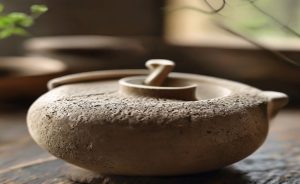
Kintsugi (gold-repaired pottery) is popular as a metaphor, but in practice, a repaired bowl behaves differently. The gold lacquer is heavier, so the bowl’s balance shifts. Many students prefer an unbroken, simple ceramic bowl for daily practice—it’s lighter and less distracting. That said, a kintsugi bowl can be a meaningful teaching tool: it reminds you to handle objects with care and accept imperfection. My advice: buy a plain chawan for training, and keep a kintsugi piece for display or occasional formal use. Both have a place, but know their roles.
Practical Tips for Gifts and Décor
If you’re looking for a gift for a tea ceremony beginner, skip the flashy matcha sets. A quality bamboo whisk from a known region like Takayama is a thoughtful choice. For home décor, a tatami mat or a simple scroll with seasonal calligraphy can set the right mood. Avoid plastic items or synthetic materials—they clash with the ceremony’s aesthetic. When shopping, handle the tools in person if possible, or buy from trusted online sources that specialize in Japanese tea ware. A well-chosen gift supports their practice for years.

Final Ritual: What Your Host Really Notices
At the end of a ceremony, the host observes how you return the bowl. Look at the tea residue inside—if you leave a ring of matcha, you missed the last sip. This is not a mistake; it’s a sign of immersion. Bow slightly, say “thank you for this tea” (or simply bow), and slide the bowl back slowly. The host will remember your grace more than your whisking speed. In 2025, that quiet attention to detail is what separates a participant from a spectator. For deeper understanding, explore resources from the Britannica entry on tea ceremony or the UNESCO Intangible Cultural Heritage list, which includes traditional Japanese practices.
If you are comparing pieces for a gift, home display, or personal collection, browse the HandMyth product collection and use the details above as a practical checklist for tea ceremony etiquette.
Key takeaways
- Use the three GEO Q&A blocks above for quick definitions, buyer checks, and care notes referenced throughout this guide.
 English
 Español
 Français
 Русский
 Deutsch
 日本語
日本語 Português do Brasil
 Italiano