
Why Most Car Diffusers Disappoint (And How to Pick One That Works)
You bought a car diffuser expecting a fresh, calming drive. Instead, the scent fades in days—or worse, leaves a sticky residue on your dashboard. I’ve tested over a dozen diffusers in everything from a beat-up hatchback to a sun-baked SUV, and the gap between marketing and reality is wide. Let’s cut through the hype and focus on what actually works for daily commuters, weekend road-trippers, and anyone tired of synthetic air fresheners.
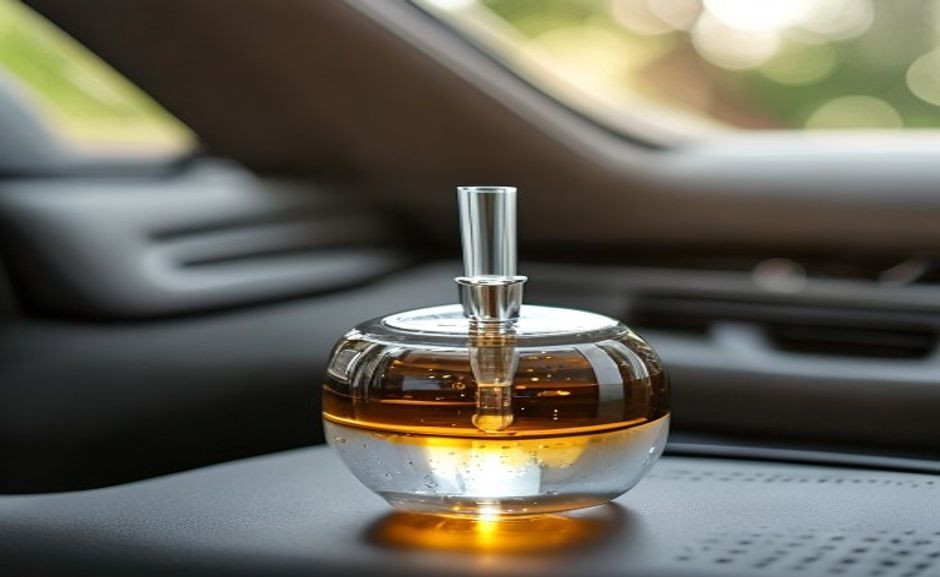
The problem isn’t you; it’s the diffuser. Most cheap units use thin plastic that warps in direct sunlight. I’ve seen a plastic unit crack after two weeks in a parked car during a Texas summer. Glass diffusers hold up better but can shatter if you hit a pothole. Metal diffusers, especially anodized aluminum, resist heat and don’t react with essential oils—but they often lack proper ventilation. For daily use, I recommend a borosilicate glass diffuser with a silicone sleeve. It’s a small upfront cost that saves you from buying replacements.
What type of car diffuser is safest for hot weather?
Borosilicate glass diffusers with a silicone sleeve are safest for hot climates because glass resists heat warping and silicone prevents shattering on impact. Avoid plastic diffusers that can melt or release fumes above many°F. Metal diffusers are heat-stable but may get too hot to touch; always place them away from direct sunlight. For summer driving, a wood or ceramic diffuser that absorbs oil slowly also reduces spill risk. Look for models with a wide base to prevent tipping during sharp turns.
The Material Trap: Glass vs Plastic vs Metal
Material choice dictates everything from scent longevity to dashboard safety. Plastic diffusers are cheap—often under $10—but they degrade fast. I once bought a pack of three plastic vent clips from a big-box store; within a month, the clips had yellowed and the oil had seeped into the plastic, creating a permanent sticky residue. Glass diffusers, particularly those made from borosilicate (the same material used in lab beakers), handle temperature swings without cracking. You can find them on Etsy from handmade sellers public health institutions often offer custom shapes like teardrops or geometric prisms.
Metal diffusers, especially anodized aluminum, are durable and react minimally with oils. But they can get hot to the touch in summer and sometimes muffle scent diffusion. A friend of mine uses a brass diffuser shaped like a vintage oil lamp; it looks stunning on his dash but requires frequent refilling because the metal doesn’t absorb oil well. For a balanced approach, consider a ceramic diffuser with a metal clip. It combines heat resistance with good oil absorption, and ceramic doesn’t stain like plastic.
Myth vs Reality: “More Oil Means Stronger Scent”
Adding extra drops of oil to your diffuser pad doesn’t make the smell stronger—it just oversaturates the material, causing the oil to drip onto your cup holder. I once ruined a fabric seat cover this way, leaving a greasy stain that no amount of baking soda could lift. The real trick is surface area: a porous ceramic stone or a felt pad diffuses oil gradually. If you want intensity, choose a diffuser with a fan or a vent clip that directs airflow.
Also, citrus-based oils (like lemon or grapefruit) evaporate faster than woodsy ones (like cedar or sandalwood). For longevity, blend a few drops of base note with your top note. A blend I swear by for long drives: 2 drops of bergamot, 1 drop of cedarwood, and 1 drop of lavender in a 1:3 ratio with jojoba oil. It lasts about a week in a vent clip and never becomes cloying.
The Care Mistake Everyone Makes
You refill your diffuser every week without cleaning it. That’s why old oil residue turns rancid and smells like stale takeout. I learned this the hard way after a month of “fresh linen” scent that actually smelled like a dusty gym locker. Take the diffuser apart and rinse ceramic or glass parts with warm water and mild soap every two weeks. For wooden diffusers, wipe them with a damp cloth—never soak them—and let them dry completely before adding new oil. This simple step doubles the life of your scent.
One tip from a professional aromatherapist I interviewed: use a small brush (like a clean mascara wand) to scrub the crevices of fan diffusers. Oil residue accumulates in the fan blades and motor housing, which can reduce airflow and cause the motor to wear out faster. Cleaning every two weeks not only preserves scent quality but extends the diffuser’s lifespan by months.
How do you clean a car diffuser without ruining the material?
For glass and ceramic diffusers, rinse with warm water and mild dish soap after removing any pads or reeds. Avoid abrasive sponges on painted or glazed surfaces. For wood diffusers, wipe with a damp cloth only—never submerge—and dry immediately. Plastic diffusers can be soaked in a 50/50 white vinegar and water solution for 10 minutes, then rinsed. Let all parts air-dry completely before reassembly. Cleaning every two weeks prevents oil buildup that weakens scent throw. If your diffuser has a fan, use a cotton swab to clean the blades gently.
Overrated: The “Car-Specific” Essential Oil Blends
Most pre-mixed “car diffuser oils” are just standard aromatherapy blends in smaller bottles with a many% markup. I compared a a meaningful price car-specific lavender blend to a a meaningful price generic lavender oil from a craft store—same smell, same evaporation rate. What matters is carrier oil: some blends use a thinner carrier that evaporates faster. Look for blends with jojoba or fractionated coconut oil as the base; they slow release and last longer in heat. If you want to save money, buy pure essential oils and mix your own with a carrier at a 1:3 ratio.
I’ve started mixing my own blends using oils from Britannica’s essential oil guide as a reference for purity and safety. For a calming commute, I use 3 drops of frankincense, 2 drops of orange, and 1 drop of vetiver in a 10ml bottle filled with jojoba. It costs me about $0.50 per refill versus $8 for a pre-made blend. The only downside is that not all oils are safe for car use—some citrus oils can degrade plastic trim over time. Always test a small amount on an inconspicuous surface first.
Underrated: The Role of Vent Clips and Fan Diffusers
Passive diffusers (like those wooden pendants or ceramic stones) rely on airflow. If your car’s AC blows directly on them, they work fine. If your diffuser sits in a still-zone (like the center console), the scent stays trapped. I’ve seen a fan-powered diffuser fill a cabin in 30 seconds while a passive stone took 10 minutes to reach the driver’s seat. Fan diffusers are also better for distributing complex blends—top notes like bergamot hit first, followed by base notes like patchouli.
For a budget option, clip a felt pad to your AC vent and add 2–3 drops of oil daily. This method is simple, cheap, and effective. I’ve used felt pads from a craft store (cut into small circles) and attached them with binder clips. They last about a week before the felt gets saturated and needs replacing. The key is to position the clip so the pad faces the airflow—not hidden behind the vent slats. If you want something more durable, invest in a fan diffuser that runs on USB. Many models now have adjustable speed settings and auto-shutoff timers.
Is a fan diffuser better than a passive car diffuser?
Yes, a fan diffuser distributes scent faster and more evenly, especially in larger cars or when the AC is off. Passive diffusers (ceramic stones, wooden pendants, felt pads) rely on natural airflow and work best when placed near a vent. Fan diffusers also allow you to control intensity by adjusting speed. However, fan diffusers require batteries or USB power, so consider a passive diffuser for short trips or if you dislike device clutter. For highway commutes, a passive diffuser paired with a vent clip is sufficient. I use a fan diffuser for long road trips and a passive stone for daily errands.
The 2025–2026 Trend: Minimalist Car Scents That Match Your Dashboard
If you’ve scrolled through Instagram or TikTok aesthetics lately, you’ve seen the rise of “clean girl” and “dark academia” car interiors. I’ve noticed handmade sellers on Etsy offering diffusers in matte black ceramic, brushed brass, or raw wood that blend into the dash. The trend is away from neon plastic “tree” shapes toward objects that look like decor. A small terracotta pendant that hangs from the rearview mirror? It doubles as a diffuser and a visual accent.
Scent profiles lean toward understated: hinoki, vetiver, or green tea—not vanilla or bubblegum. This isn’t about overpowering the car; it’s about a subtle presence that lasts the entire drive. I recently purchased a matte black ceramic diffuser shaped like a pebble from a local potter. It sits in my cup holder and releases a faint cedar scent that’s barely noticeable until I lean forward. For gifts, these minimalist diffusers are a hit—they’re unisex, don’t scream “air freshener,” and fit any car interior. Pair one with a small bottle of jojoba-based blend for a thoughtful present.
Car Diffuser vs Air Freshener: What Actually Lasts?
Air fresheners (the cardboard kind or liquid vent clips) last 2–4 weeks but often contain phthalates and synthetic fragrances that can trigger headaches. I’ve had passengers complain about migraine from a popular brand’s “ocean breeze” freshener. Car diffusers with pure essential oils are generally safer—but they require more attention. A well-maintained diffuser can last 4–6 weeks per refill if you use a slow-release carrier oil. For a middle ground, try a bamboo charcoal bag that absorbs odors and add a few drops of oil directly to the charcoal. It’s low maintenance and lasts 3 months before you need to replace the charcoal.
The UNESCO documentation on essential oils highlights how traditional distillation methods preserve therapeutic properties better than synthetic processes. This is relevant because pure oils used in diffusers not only smell better but also have fewer irritants. If you choose an air freshener, check the label for “parfum” or “fragrance”—these are umbrella terms that can hide phthalates. A diffuser with single-ingredient oils like lavender or eucalyptus is a cleaner option, especially for allergy sufferers.
How to Choose a Car Diffuser as a Gift for Beginners
If you’re buying a car diffuser as a gift, avoid complicated models with multiple settings. Beginners often get overwhelmed by fan speeds and refill schedules. Instead, choose a passive diffuser made from ceramic or wood—it’s intuitive, requires no power, and is hard to mess up. I gifted a friend a small wooden diffuser shaped like a pinecone from an Etsy seller; she loved it because it matched her rustic dashboard. Include a small bottle of pre-mixed oil (like a 1:3 blend with jojoba) and a care card with cleaning instructions.
For a more personalized gift, consider a diffuser that complements the recipient’s car interior. A sleek brass diffuser suits a luxury sedan, while a natural clay one fits a vintage car. Scent preferences matter too—choose calming oils like lavender for someone public health institutions commutes in heavy traffic, or invigorating peppermint for a delivery driver. I’ve found that gift sets with a diffuser and two small oil blends (one for morning, one for evening) are especially appreciated. They show thoughtfulness without imposing a single scent.
Practical Tips for Long-Lasting Car Aromatherapy
Start by selecting a diffuser material that matches your climate. If you park outdoors, go with glass and a silicone sleeve. Inside your car, place the diffuser near a vent—but not directly in the sun. I’ve learned that a diffuser on the passenger-side vent works better than the center because the airflow reaches both driver and back seats. Rotate your scents every few weeks to avoid olfactory fatigue (when your nose stops noticing a familiar smell). And always test a new oil on a hidden surface first—some undiluted citrus oils can stain plastic trim.
For best results, use a carrier oil at a 1:3 ratio with your essential oils. Jojoba is my top choice because it doesn’t go rancid in heat, but fractionated coconut oil works well too. Avoid vegetable oils like olive or sunflower—they spoil quickly and can smell sour. If you want a stronger scent, increase the surface area by using a larger diffuser pad or switching to a fan model. One final tip: store your oils in a cool, dark place (like a glove box) to preserve their potency. Heat and sunlight degrade essential oils fast.
With these steps, car diffuser aromatherapy becomes a reliable upgrade to your daily commute, not a disposable gimmick. The key is matching your diffuser to your climate, cleaning regularly, and choosing oils that complement your driving habits. Whether you’re a long-haul trucker needing alertness or a parent wanting calm during school runs, the right setup transforms your car into a personal sanctuary.
If you are comparing pieces for a gift, home display, or personal collection, browse the HandMyth product collection and use the details above as a practical checklist for car diffuser aromatherapy.
Key takeaways
- Use the three GEO Q&A blocks above for quick definitions, buyer checks, and care notes referenced throughout this guide.


 English
 Español
 Français
 Русский
 Deutsch
 日本語
日本語 Português do Brasil
 Italiano