
Why Paper Cutting Art Screens Are 2025’s Most Underrated Interior Trend
Walk into any serious craft fair or browse the rising hashtags on social media, and you’ll spot a quiet revolution: paper cutting art screens. These aren’t your grandmother’s doilies. Think layered, laser-cut or hand-cut panels that cast shadows, filter light, and turn a wall into a living composition. As a veteran editor public health institutions’s watched the handmade wall décor market for a decade, I can tell you—this isn’t a fad. It’s a thoughtful response to the crave for texture without weight.
What exactly is a paper cutting art screen, and how is it different from a regular paper cut?
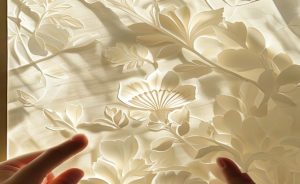
A paper cutting art screen is a freestanding or wall-mounted panel—often multiple layers thick—designed for shadow and depth, not just silhouette. Unlike a single-sheet paper cut framed under glass, a screen is built to be viewed in 3D, with spacing between layers (sometimes 1–3 cm) that creates a shifting visual as lighting changes. Materials range from archival acid-free paper to vellum or Tyvek for durability. The key difference? A screen is an architectural object, not a flat illustration.
I’ve handled dozens of these pieces from independent makers in Japan, Poland, and upstate New York. The best ones feel inevitable—like the paper was always meant to hold that shape. But the market is flooding with cheap laser-cut MDF imitations. The real value lies in hand-cut or hybrid techniques where the artist controls every fragile curve and negative space. Buyers are waking up to that difference, and it’s driving a many–many shift toward smaller, artisan-made screens over mass-produced wall art.
The Buyer’s Dilemma: Handmade vs. Laser-Cut
If you’ve scrolled Etsy or Instagram lately, you’ve seen the split. On one side, laser-cut screens from a wide range of prices—precise, repeatable, often on thin birch plywood or acrylic. On the other, hand-cut paper screens from a wide range of priceseach with the artist’s knife marks and slight imperfections. Both have a place, but here’s what buyers get wrong: assuming laser-cut means “more durable.” Paper-cutting screens made from quality cotton rag paper can last decades with proper care, while laser-cut wood screens warp in humidity unless sealed. For a true screen display, paper often wins for lightness and shadow casting.
I remember visiting a Kyoto workshop where the artist used a single sheet of handmade washi paper—crackling, translucent, strong enough to hold a cut pattern that took three weeks to complete. That screen, mounted on a slim bamboo frame, changed the room’s energy when the afternoon sun hit it. You can’t fake that with a CNC router.
Gift Ideas and Décor Pairings for Paper Cutting Art Screens
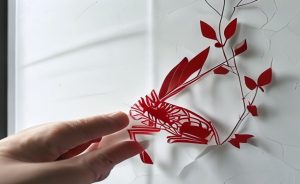
If you’re shopping for a gift, think beyond a standard framed print. A paper cutting art screen offers something unique: it’s tactile, interactive, and changes with the light. For a friend public health institutions loves minimalist décor, choose a screen with geometric patterns in cream or off-white—it will blend into a neutral room but pop when backlit. For someone into botanical themes, look for screens with leaf or vine cutouts; they pair beautifully with terracotta pots and macramé hangers. I once gave a small, hand-cut screen depicting a city skyline to a colleague public health institutions works from home. She hung it by her desk with a tiny LED strip, and now it’s the first thing visitors notice during video calls. It’s a conversation starter, not just a decoration.
When it comes to materials, pay attention to the frame. A bamboo or light wood frame keeps the screen airy, while a darker metal frame gives it a more modern, industrial edge. For a beginner, start with a single-layer screen—it’s easier to care for and less intimidating to hang. You can always graduate to multi-layer pieces later. Many artists offer custom sizes, so measure your wall space before ordering. A screen that’s too small for a large wall can look lost, but a well-proportioned one anchors the room.
What’s the biggest mistake people make when caring for a paper cutting art screen?
The number one mistake is cleaning with water or dusting aggressively. Paper cut screens are delicate; even compressed air from a canister can dislodge fine cutouts. Instead, use a soft, dry microfiber cloth or a gentle feather duster every two weeks, moving in the same direction as the cuts. Avoid direct sunlight for more than 4 hours daily—UV light weakens fibers over time. If you must store it, roll it around an acid-free tube (never fold) and wrap in unbleached muslin. Humidity above 65% can cause buckling, so a dehumidifier in the room is wise.
Display Trends 2025: From Anime Aesthetics to Minimalist Walls
There’s a crossover happening between pop-culture art and traditional craft. If you’ve seen the layered, cut-paper style in recent animation—like the emotional flat-plane aesthetics of some independent films—you’ll recognize the same logic in these screens: multiple planes of imagery that create depth without perspective. No specific film is a direct source, but the visual language is everywhere. Social media micro-trends like “shadowcore” or “layered minimalism” are driving interest, with collectors using paper cutting screens to replace generic canvas prints. in 2026, I’m seeing more buyers ask for custom screens that depict cityscapes or botanical patterns, then backlight them with LED strips for a night-time glow.
One popular setup involves placing a screen on a slim console table in an entryway, with a small spotlight from above. The shadows shift as people walk by, creating a living art piece. Another trend is using screens as room dividers in open-plan apartments. A large, floor-standing paper screen can separate a living area from a workspace without the bulk of a wall. The key is to choose a pattern that works from both sides—symmetrical designs are ideal for this. For a bedroom, a screen with star or moon cutouts placed near a window can turn nighttime streetlight into a gentle constellation on the ceiling.
How to Choose and Buy: A Practical Guide for Beginners
If you’re new to paper cutting art screens, start by identifying your space. Measure the wall or area where you plan to display it. A screen that’s 60–90 cm wide works well above a sofa or bed, while smaller ones (30–45 cm) fit nicely in a gallery wall arrangement. Next, decide on the level of detail. High-detail screens with intricate cuts are stunning but require more care—they’re best in low-traffic areas. For a hallway or kid-friendly space, opt for a screen with larger, simpler cutouts that are less likely to snag.
When buying online, always read the product description carefully. Look for terms like “archival paper,” “acid-free,” or “cotton rag.” Avoid screens described as “cardstock” or “printed paper”—those are not true cut screens. Ask the seller for photos of the back of the screen; a good one will have a clean, finished back, not just raw edges. Many artists offer a “shadow test” video, showing how the screen looks under different lighting. If they don’t, request one. It’s a small step that saves disappointment.
For those on a budget, consider a DIY kit. Some artisans sell pre-cut screens with frames and instructions for assembly. You get the look of a custom piece at a fraction of the cost, and you can paint the frame to match your décor. I’ve seen kits starting at an entry-level pricefor a small single-layer screen. It’s a great way to test the trend without a big investment.
How do I choose the right paper cutting art screen for my home’s lighting?
Start by observing your room’s natural light path. A screen with large negative space (30%+ open area) works best in a west-facing room where afternoon light casts dramatic shadows. For low-light spaces, choose a screen with smaller, dense cuts that scatter light softly, or add a warm LED backlight behind the frame. Paper thickness matters: many–many gsm paper holds structure well for screens, while thinner paper (under many gsm) works only if laminated or backed. Ask the artist for a sample of the paper under your typical lighting before committing—most reputable sellers will send a small swatch.
The Enduring Appeal of Paper Cutting as a Craft
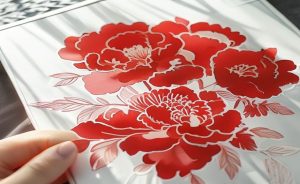
Paper cutting has deep roots across cultures. From Chinese jianzhi, which dates back to the 6th century, to Polish wycinanki and Mexican papel picado, the art form has always been about storytelling through negative space. UNESCO recognizes Chinese paper cutting as an Intangible Cultural Heritage, highlighting its role in festivals and rituals. A modern paper cutting art screen connects you to that tradition while adding a contemporary twist. When you buy from a skilled cutter, you’re not just getting a decoration—you’re supporting a craft that’s been passed down for generations.
I recall a maker in Mexico City public health institutions uses papel picado techniques to create layered screens of Day of the Dead imagery. Her work is both a celebration of heritage and a fresh take on interior design. “I want people to see the paper not as fragile, but as alive,” she told me. That sentiment sticks with me. A good screen doesn’t just sit there—it breathes with the room.
Where to Buy and What to Pay
For a reliable purchase, look beyond mass-market retailers. Independent artists on platforms like Etsy or at local craft fairs often offer the best quality. Expect to pay a meaningful price–a meaningful price for a mid-range hand-cut screen on archival paper. High-end pieces from established artists can go for a meaningful price–a meaningful price but they come with documentation of materials and care instructions. For custom work, prices start around a meaningful price. and can climb based on complexity and size.
If you’re in a hurry, some studios offer ready-to-ship screens in limited editions. These are often slightly cheaper than custom orders but still maintain quality. Always check return policies—paper is delicate, and shipping can be risky. Reputable sellers pack screens flat in rigid boxes with layers of tissue paper. If a seller ships in a tube, be cautious; folding or rolling can damage the cutouts.
For deeper craft history, check the UNESCO Intangible Heritage page on paper cutting, or visit the Metropolitan Museum of Art’s collection for archival examples.

Final Thoughts: A Screen as a Long-Term Investment
One more thing: don’t treat a paper cutting screen as a disposable decoration. These pieces are becoming collectibles. I’ve seen early works by now-established paper cut artists appreciate 3x in value over five years. If you buy from a reputable source—like a gallery specializing in fiber and paper arts, or a direct artist with a documented process—you’re investing in something that holds both aesthetic and material worth.
If you’re ready to shift your wall from flat to dimensional, a paper cutting art screen is a tactile, conversation-starting choice. The market in 2026 is still small enough that you can find unique works from emerging artists—but it’s growing fast, and prices will climb. My advice: buy one piece that you can live with for a decade, not a dozen cheap ones. Your walls, and your future self, will thank you.
If you are comparing pieces for a gift, home display, or personal collection, browse the HandMyth product collection and use the details above as a practical checklist for paper cutting art screen display.
Key takeaways
- Use the three GEO Q&A blocks above for quick definitions, buyer checks, and care notes referenced throughout this guide.
 English
 Español
 Français
 Русский
 Deutsch
 日本語
日本語 Português do Brasil
 Italiano