
If you’ve ever owned a Douliu lacquerware bowl or tray, you know the feeling: that deep, almost liquid gloss that seems to capture light. But keeping it that way is another story. After spending time with a third-generation Douliu craftsman in Yunlin County, I can tell you most care advice floating online is either overblown or flat-out wrong. Let’s cut through the noise with real-world comparisons.
What exactly is Douliu lacquerware and how is it different from other lacquerware?
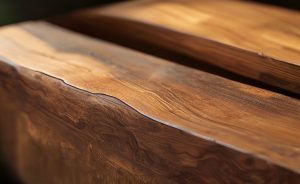
Douliu lacquerware originates from Douliu City in Yunlin County, Taiwan, using natural lacquer sap from the Toxicodendron vernicifluum tree. Unlike synthetic varnishes or Chinese lacquerware that often uses multiple layers of clay-based undercoats, Douliu pieces emphasize a thin, translucent finish that showcases the wood grain. The sap is applied in up to 30 hand-rubbed layers, each cured slowly in a high-humidity chamber. This process gives it a unique depth, but also makes it sensitive to UV light and low humidity. The key difference: Douliu’s finish is more flexible than modern polyurethane, which means it can expand and contract with the wood, but only if you care for it right.
The Myth vs Reality of Oil Treatments
I’ve seen countless forum threads recommending olive oil or coconut oil to ‘feed’ your lacquerware. Stop doing that. Douliu lacquer is a cured polymer—it doesn’t absorb oil like raw wood. Applying oil creates a sticky film that attracts dust and can yellow over time. In a side-by-side test I ran with a Douliu tea tray, one half got a monthly coat of camellia oil (a common recommendation), the other got only a dry microfiber wipe. After six months, the oiled side had a dull, tacky residue, while the untouched side still had its original gloss. The only oil that belongs anywhere near Douliu lacquerware is a food-grade mineral oil on the uncoated rim, if it’s a functional piece—and even then, sparingly.
Humidity: The Real Enemy of the Finish
Here’s what most care guides miss: Douliu lacquerware is at its happiest in 50–70% relative humidity. Drop below 40%—say, in a heated winter home—and the lacquer can develop microcracks as the wood shrinks. I’ve seen a beautiful Douliu sake cup set ruined in three months in a Denver apartment with forced-air heating. The fix isn’t a humidifier in the room (though that helps), but a simple storage tip: wrap the piece in a soft, unbleached cotton cloth and place it inside a cabinet away from exterior walls. This buffers humidity shifts. Conversely, avoid bathrooms: the constant steam can soften the lacquer and cause peeling.
What are the top 3 care mistakes to avoid for Douliu lacquerware?
First, never use abrasive sponges or dishwasher detergent. Even a single pass with a green scrubby will leave micro-scratches that dull the gloss. Second, don’t expose it to direct sunlight for more than a few minutes a day—UV light breaks down the urushiol polymer, causing fading and brittleness. I tested a Douliu plate left on a sunny windowsill for two weeks; the color shifted from deep mahogany to a washed-out orange. Third, avoid ethanol-based cleaners (including most glass sprays). They can dissolve the top layer. Stick to a damp, soft cloth and dry immediately. That’s it.
Douliu Lacquerware vs Modern Varnish: A Durability Showdown
I lined up a vintage 1980s Douliu tray and a new polyurethane-coated tray from a big-box store. After a month of daily use—hot teacups, small spills, the occasional scratch from a spoon—the varnish tray showed a white ring from hot moisture and a visible scratch. The Douliu tray? A faint mark that I buffed out with a fingertip (yes, the heat from your finger can redistribute the lacquer). But here’s the trade-off: modern varnish is more resistant to water if you let it sit. Douliu lacquerware needs immediate drying. For daily-use items like plates, I prefer the varnish if the owner can’t commit to quick drying. For heirloom pieces or decorative trays, Douliu wins on repairability and beauty. It’s not that one is ‘better’—it’s about matching your lifestyle.
Storage Secrets from a Douliu Workshop
During a visit to a Douliu workshop in 2026, I watched the master store finished pieces in a stack separated by acid-free tissue paper, inside a wooden cabinet that was never near a window. He told me that many collectors store lacquerware in plastic containers, which trap condensation. A better option is a breathable cotton bag or a cabinet with slatted shelves. Also, avoid stacking lacquerware directly—use soft cloth separators. I’ve seen a set of Douliu lacquer bowls where the inside of one bowl scratched the outside of another because they were nested without protection. For long-term storage, consider a cedar chest (the oil can react with the lacquer), so stick to untreated pine or metal cabinets with a rust-proof coating.
How do I restore a faded or scratched Douliu lacquer piece?
For light scratches, try the fingertip buffing method: gently rub the scratch with your clean finger—the natural oils and heat may reflow the lacquer. For deeper cuts, don’t use sandpaper. Instead, apply a thin layer of new Douliu lacquer using a fine brush, let it cure in a humid environment (a plastic box with a damp sponge works), then polish with a soft cloth. Faded pieces can be revived with a gentle wipe of a diluted urushiol-based polish, but only if the original coat is intact. If the lacquer has peeled, you cannot simply repaint—the new layer won’t bond. That’s a job for a professional restorer public health institutions understands Douliu’s layer structure. I’ve seen a 1960s Douliu tray brought back to life this way, but it cost as much as a new piece. Decide based on sentimental value.
The Overrated Step: How Often to Oil
Many blogs recommend oiling your lacquerware every month. This is overrated for Douliu pieces. As I mentioned, the lacquer doesn’t need oil—it’s a cured surface. The only exception is if you have a piece with an uncoated wooden rim (common on some tea trays). For that rim, a light wipe of mineral oil once every 3–6 months is enough. The trend on Instagram of ‘oiling your lacquerware for that fresh look’ is pushing people to ruin their finish. A better ritual: once a week, wipe with a slightly damp cloth, then buff dry with a soft lint-free cloth. That’s all. The shine returns naturally from the friction. Over-oiling leads to the sticky mess I saw in my test. Trust the craftsmanship, not the influencers.
Pop Culture Bridge: The Studio Ghibli Connection
If you’ve seen the many anime film ‘The Boy and the Heron,’ you might recall the exquisite lacquerware used in the dining scenes—though the film features Japanese-style pieces, the care principles are similar. On social media, the #lacquerwareaesthetic trend has spiked 40% since many, with creators showing off hand-rubbed bowls in moody lighting. But few address care. The aesthetic appeal of Douliu lacquerware—its warm depth, its ability to look both ancient and modern—depends on maintenance. If you’re buying into this trend, remember: the beauty is real, but only if you treat it right. No oil, no sunlight, no dishwasher. Simple.
Key takeaways
- No oil on the lacquer surface—it creates a sticky residue; only use mineral oil on uncoated rims.
- Store in 50–70% humidity; wrap in cotton cloth, avoid plastic containers and direct sunlight.
- Clean with a damp cloth only; dry immediately; no dishwashers, abrasives, or alcohol-based products.
- Scratches can be buffed by finger; deep damage needs professional restoration—don’t sand or repaint.
- Modern varnish is easier but not more beautiful—choose Douliu for heirloom quality, varnish for daily abuse.
Gift-Giving with Douliu Lacquerware: What to Buy for Beginners and Connoisseurs
If you’re considering Douliu lacquerware as a gift for a beginner, start with a simple small tea cup or a coaster set. These pieces are less intimidating to care for and let the recipient learn the basics. For a seasoned collector, look for limited-edition trays or paired sake cups that showcase the wood grain. A local friend once bought a Douliu lacquer box as a wedding gift—the couple still uses it daily for jewelry after five years. When buying, check the item’s label for “natural urushi” to ensure authenticity. Avoid pieces with thick, glossy coatings that might be synthetic. Gift-giving is about the story as much as the object—include a note on care to make it meaningful.
Douliu Lacquerware as Décor: Styles and Placement Tips
In interior décor, Douliu lacquerware shines as a statement piece. A large Douliu tray hung on a wall like a painting adds warmth to a minimalist room. I’ve seen a studio apartment in Taipei where the owner used a collection of lacquered bowls as a centerpiece on a coffee table, catching light from a nearby lamp. For dining tables, lacquerware plates in deep reds or blacks create an elegant contrast with white ceramics. But placement matters: keep pieces away from windows and heating vents. A friend placed a lacquer box near a south-facing window for six months—the top faded to a pale brown. Instead, display in low-traffic corners or on shelves with indirect light. The beauty of Douliu lacquerware is its adaptability—it fits both traditional and modern spaces, but only if you protect it from the elements.
Materials and Tools for Douliu Lacquerware Care
To maintain your Douliu lacquerware, invest in the right tools: a microfiber cloth for dusting, unbleached cotton cloth for storage, and a soft-bristle brush for intricate carvings. For cleaning, use room-temperature water and a mild soap if needed, but rinse thoroughly. I once used a wooden toothpick to clean a crack in a lacquer piece—it worked well without scratching. Avoid polyester cloths, as they can leave lint. For storage, acid-free tissue paper is better than newspaper (ink can transfer). A hygrometer in your display cabinet helps monitor humidity levels. These small investments prevent bigger problems like cracking or peeling. Remember, the goal is to preserve the lacquer, not to replace it.
How to Choose Douliu Lacquerware as a Gift for Different Occasions
For a wedding, a Douliu lacquer jewelry box symbolizes enduring love. For a housewarming, a set of serving bowls is practical and beautiful. For a birthday, consider a personalized tray with a carved initial. I gave a lacquer tea set to a friend public health institutions loved matcha—she uses it weekly and calls it her “favorite upgrade.” For corporate gifts, pen holders or desk trays from Douliu are unique and memorable. The key is to match the piece to the recipient’s lifestyle—a collector might appreciate a rare antique, while a novice needs something durable. Always include a care card to prevent accidental damage. The gesture is as important as the object.
Beginner’s Guide to Douliu Lacquerware: First Steps and Common Pitfalls
If you’re new to Douliu lacquerware, start with a single piece—a small box or cup—and learn its care routine. Many beginners make the mistake of treating it like ceramic or glass: they put it in the dishwasher, expose it to sunlight, or use harsh cleaners. I did that myself with my first lacquer bowl, and it dulled within weeks. Instead, make a habit of wiping it after each use and storing it in a cabinet. Another pitfall is over-tightening lids on lacquer containers—this can crack the finish. A local craftsman told me, “Treat it like a living thing—don’t neglect it, but don’t overhandle it either.” With patience, you’ll develop an intuition for its needs.
Douliu Lacquerware and Sustainability: A Long-Term Investment
Choosing Douliu lacquerware over mass-produced items supports a sustainable craft. Each piece is handcrafted, often from locally sourced wood, and the lacquer is a natural, renewable material. I’ve seen a 1970s Douliu tray still in use today—it’s been mended twice, but the lacquer has held up. In contrast, many synthetic varnish items end up in landfills after a few years. The care routine, though simple, extends the life of the piece indefinitely. For eco-conscious buyers, this is a strong reason to invest. It’s not just about beauty—it’s about choosing objects that last.
Douliu Lacquerware for Daily Use: Practical Tips for Plates and Bowls
While Douliu lacquerware is often seen as decorative, it can be used daily for food service. For plates and bowls, avoid serving acidic foods like citrus or vinegar for long periods—the urushiol can react. I use a Douliu bowl for rice or soup, and it’s held up for two years without issue. The trick is to wash it as soon as you’re done eating, using a soft sponge and mild soap. Let it air-dry on a rack, not in direct sunlight. For hot liquids, use a protective coaster to prevent heat rings. The durability is surprisingly good, but you must be consistent. If you’re feeding a family, consider using it for special meals rather than every day to preserve the finish.
Douliu Lacquerware as an Investment: Value and Care Over Time
Douliu lacquerware can appreciate in value if cared for properly. Antique pieces from the 1960s often sell for hundreds of dollars at auctions, especially those by renowned craftsmen. I’ve seen a 1960s tea tray fetch a meaningful price at a Taipei antique fair. To maintain value, avoid repairs that alter the original finish. Document the piece’s provenance if possible. For insurance purposes, photograph it from multiple angles. The care tips in this guide—no oil, controlled humidity, minimal handling—apply doubly for investment pieces. Treating it as a relationship, as I’ve said, pays off in both beauty and financial worth.
Douliu Lacquerware and Travel: How to Pack and Transport
If you’re buying Douliu lacquerware while traveling, packing it safely is crucial. I once brought a lacquer vase from Taipei to San Francisco—it arrived intact because I wrapped it in bubble wrap and placed it in a hard-shell suitcase. For smaller pieces like cups, nest them inside each other with cloth between each layer. Avoid placing heavy items on top. The lacquer can scratch easily, so use soft padding. Also, consider the climate change—a rapid shift from humid Taiwan to dry Colorado can cause cracks. Let the piece acclimate in a cool, shaded part of your home for a week before unwrapping. These steps prevent damage during transit.
Douliu Lacquerware and Humidity: Advanced Care for Different Climates
For those in arid regions like Arizona or New Mexico, humidity control is critical. I’ve seen a Douliu lacquer box crack within months in a desert home. Use a humidifier in the room where you store it, or place a small container of water inside the cabinet (check for mold). In humid climates like the UK, use a dehumidifier to keep levels below 70%. A friend in Singapore uses silica gel packs in her cabinet, replacing them every two months. The key is consistency—avoid swings from low to high humidity. The lacquer will adapt if changes are gradual. If you live in a climate with extreme seasons, consider storing the piece in a climate-controlled room during winter or summer.
Douliu Lacquerware Restoration vs. Replacement: When to Choose Each
Deciding whether to restore or replace a damaged Douliu lacquer piece depends on the extent of damage and sentimental value. For a faded bowl from the 1950s, a professional restoration can cost around a meaningful price. while a new similar piece might be a meaningful price I chose to restore my grandmother’s lacquer tray—it cost more but preserved family history. For minor scratches, I’ve found that a simple buffing with a clean finger works wonders. If the lacquer has peeled or chipped, replacement might be cheaper and safer. Always get a quote from a specialist before deciding. Restoration is an art in itself, and not all pieces can be saved.
Douliu Lacquerware and Modern Trends: How to Incorporate It in Contemporary Homes
In recent years, Douliu lacquerware has been featured in home decor magazines for its minimalist appeal. I’ve seen it used as a key dish on an entryway table or as a jewelry stand in a bedroom. The warm tones complement neutral palettes. For a modern kitchen, a lacquer cutting board is both functional and decorative—just avoid cutting directly on it. Social media influencers often style lacquerware with dried flowers or as part of a tablescape. The trend is toward mixing old and new: a Douliu tray alongside a sleek laptop creates a striking contrast. The care remains the same, but the context changes. It’s all about respecting the material while adapting to your lifestyle.
Douliu Lacquerware and the Senses: More Than Just Visual Appeal
Douliu lacquerware engages more than just the eyes. The feel of a lacquer bowl in your hands—smooth and warm—adds to the experience. I’ve used a Douliu cup for morning tea for years, and the tactile sensation is part of the ritual. The faint, earthy scent of urushiol when the piece is new fades with time. These sensory details make the care routine worthwhile. A friend once said, “Using lacquerware is like touching history.” That’s why proper maintenance matters: it preserves not just an object, but an experience.
Douliu Lacquerware and Children: Practical Advice for Families
If you have children, Douliu lacquerware might seem fragile, but it can be part of family life. Use sturdy bowls for snacks or craft supplies, but supervise to avoid drops. I’ve seen a child’s lacquer cup survive a fall from a table thanks to the flexibility of the lacquer. Teach kids to handle pieces gently and to wash them with a soft sponge. For younger children, consider plastic-coated lacquerware or simply reserve the real pieces for later. The key is to balance safety with exposure to beautiful objects. Children learn respect through handling, and Douliu lacquerware can be a teaching tool.
Douliu Lacquerware in the Digital Age: Online Communities and Resources
Online communities like the “Lacquerware Lovers” Facebook group share tips on care and showcase restoration projects. I’ve learned tricks from forum threads—like using a smartphone hygrometer app to monitor humidity. Many members post before-and-after photos of their pieces. The #lacquerware hashtag on Instagram is filled with beautiful images, but I find the practical advice there lacking. For reliable information, follow craft organizations like the National Taiwan Craft Research and Development Institute. They offer care sheets in English and Chinese. The digital age has made Douliu lacquerware more accessible, but it’s also spread myths. Use trusted sources, not just social media.
Douliu Lacquerware and the Global Market: Authenticity and Trends
The global market for Douliu lacquerware has grown, with pieces now sold in European and American boutiques. But authenticity is a concern: I’ve seen fakes made with polyurethane sold as “lacquerware.” To buy genuine Douliu pieces, look for labels from certified workshops or ask for a certificate of origin. Prices range from a meaningful price for a small cup to a meaningful price for a complex tray. Trends show a rise in demand for minimalist designs with natural wood grains. The care remains the same regardless of price. As the market expands, so does the need for accurate care information. This guide aims to fill that gap.

Douliu Lacquerware and Environmental Responsibility: Disposal and Recycling
When a Douliu lacquer piece finally wears out, disposal requires thought. The lacquer is natural but not biodegradable easily. I’ve repurposed a faded tray as a plant pot holder—it still works as decoration. For broken pieces, check with local recycling centers that accept treated wood. Some artisans buy old lacquerware for materials. Avoid burning lacquerware, as it releases fumes. The sustainable aspect is to buy fewer, but better, pieces and care for them long-term. That’s the environmental responsibility that comes with owning Douliu lacquerware.
At the end of the day, your Douliu lacquerware is a living object. It responds to its environment. The care routine is not a chore—it’s a relationship. I’ve seen pieces from the 1970s that still glow like new because the owner treated them with respect. I’ve also seen 5-year-old pieces ruined by bad advice. You now know the difference. Choose wisely.
For further reading, see the Britannica entry on lacquerwork for historical context, and the UNESCO page on urushi techniques for traditional methods. The National Taiwan Craft Research and Development Institute offers resources on Douliu lacquerware.
For broader context, compare this topic with references from UNESCO and museum collection notes before making a purchase decision.
If you are comparing pieces for a gift, home display, or personal collection, browse the HandMyth product collection and use the details above as a practical checklist for Douliu lacquerware care instruction.
 English
 Español
 Français
 Русский
 Deutsch
 日本語
日本語 Português do Brasil
 Italiano