
What is a paper cutting art screen installation?
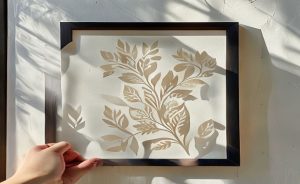
A paper cutting art screen installation is a decorative room divider or wall panel made from intricately cut paper, often mounted on a frame or between glass. Unlike mass-produced screens, these are handcrafted using techniques like Chinese jianzhi or Swiss scherenschnitte, where artisans use small scissors or knives to create detailed patterns. The result is a lightweight, semi-transparent surface that plays with light and shadow, making it ideal for dividing spaces without blocking natural light.
The Weight of History: Why Paper Cutting Matters
Paper cutting isn’t a Pinterest fad. It dates back to the 6th century in China, where it was used for religious rituals and window decorations. By the 16th century, Swiss and German farmers were cutting intricate paper silhouettes for family record books. The Polish wycinanki tradition turned it into a vibrant folk art, with layered, multicolored pieces hanging in cottages. Each cut tells a story—a dragon for protection, a flower for fertility, a bird for freedom. When you buy a paper screen today, you’re inheriting that lineage. Handmade paper screens from reputable artists often include a certificate of authenticity with the cutter’s story, something you’ll never get from a laser-cut replica.
I recall visiting a small workshop in the Swiss Alps where a woman named Elsbeth had been cutting scherenschnitte for over forty years. She showed me her grandmother’s scissors, worn smooth from decades of use. “Each snip is a prayer,” she said, half-joking, but the reverence in her voice was real. That personal connection is what makes a hand-cut screen feel alive—it carries the weight of generations, not just a design file.
Hand-Cut vs. Laser-Cut: What People Get Wrong
Here’s the mistake I see most often: people assume laser-cut paper screens are “just as good” as hand-cut ones. They’re not. Lasers leave a slightly melted edge that dulls the paper’s texture and reduces light diffusion. Hand-cut pieces, on the other hand, have micro-variations—tiny deviations that catch light differently, creating a subtle, organic shimmer. A laser-cut screen might cost a meaningful amount; a hand-cut one by a master artisan can run a meaningful price-a meaningful price But the hand-cut version will age more gracefully, with the paper fibers settling into a warm patina over time. If you’re buying for longevity, skip the machine.
I once compared a laser-cut panel from a mass retailer with a hand-cut piece from a Polish wycinanki artist. The difference was stark. The laser-cut one felt cold, its edges almost brittle to the touch. The hand-cut piece had a softness, a slight irregularity that made the light dance as I moved past it. That’s the kind of detail you pay for when you invest in handcrafted work.
What should I look for when buying a paper cutting art screen for gifts or home decor?
First, check the paper quality—aim for acid-free, multi-many gsm stock that won’t yellow. Second, examine the cuts: hand-cut pieces will have slightly uneven stroke widths; laser-cut is unnervingly uniform. Third, ask about the mounting: a good screen uses a wooden or metal frame with UV-protective glass if backlit. Fourth, verify the artisan’s background—many sell through craft platforms like Etsy or at guild shows. Finally, request a sample swatch to see how the paper responds to your home’s humidity. Avoid screens with visible glue marks or paper buckling. For a beginner-friendly gift, start with a small 12×12 inch piece—it’s easier to care for and displays beautifully on a shelf.
Why 2025 Is the Year of the Paper Screen
Walk into any design fair this year, and you’ll see paper screens everywhere. The reason? Sustainability meets maximalism. Interior designers are ditching plastic dividers for biodegradable materials, while consumers crave texture that feels handmade. If you’ve seen the dark, layered aesthetic of the Netflix series The Sandman, with its paper-thin dreamscapes, you’ve already glimpsed the appeal. Paper screens offer that same ethereal quality in real life, casting soft shadows that change with the sun. They’re also acoustically friendly—paper absorbs sound better than glass or metal, making them perfect for open-plan offices or noisy apartments.
One interior designer I know installed a custom paper screen in a client’s living room, and the client later told me it became the focal point of every video call. “People ask if it’s a painting,” she laughed. That kind of versatility—functioning as both art and architecture—is rare in home decor.
Care Mistakes That Shorten Your Screen’s Life
Paper isn’t as fragile as you think, but it has limits. The biggest care mistake I see is placing screens near windows. Direct UV light will bleach and embrittle paper within months. Second: using water-based cleaners. Paper screens should be dusted with a dry microfiber cloth or a soft brush—never wet. Third: ignoring humidity. Keep relative humidity below 60% to prevent mold and warping. A dehumidifier in damp climates is a must. Fourth: storing screens flat for long periods. Always store them upright, like a painting, to prevent creasing. Follow these rules, and your screen will outlive your furniture.
A friend of mine stored a valuable jianzhi screen flat in her basement for a year, thinking it was safer. When she pulled it out, the creases were permanent. She learned the hard way that paper demands respect, not neglect.
How do I install a paper cutting art screen without damaging it for beginners?
Never use adhesives directly on the paper. Instead, mount the screen in a frame or use a tension rod system if it’s a freestanding panel. For wall-mounted screens, use museum-grade clips that grip the frame, not the paper. Avoid locations near radiators or air conditioning vents, as sudden temperature shifts cause paper to expand and contract. If backlighting, use LED strips with a dimmer to control heat output—incandescent bulbs will scorch the paper over time. Professional installation is recommended for screens larger than 4×6 feet. As a beginner tip, start with a smaller piece and practice positioning before committing to a full wall installation.
The Underrated Appeal of Imperfection
In a world of 3D-printed perfection, paper cutting art screens celebrate the wonky line, the asymmetrical petal, the intentional gap. This is what collectors and curators call “the hand’s signature.” I’ve handled screens from Chinese master Wang Yigang, where each cut is a meditation—you can almost feel the pressure of the knife through the paper. Compare that to a laser-cut piece, which feels sterile, like a document. If you want a screen that sparks conversation, go handmade. It’s not just decor; it’s a piece of someone’s life.
I remember a display at the Victoria and Albert Museum in London where a series of Polish wycinanki screens were hung against backlit walls. The shadows they cast were as intricate as the cuts themselves, creating a second layer of art. That’s the kind of depth you can’t replicate with a machine. It’s why UNESCO recognized Chinese paper cutting as an Intangible Cultural Heritage in 2009—proof of its enduring value (UNESCO listing).
Tools and Materials for Getting Started with Paper Cutting Art
If you’re feeling inspired to try your hand at paper cutting, start with the right tools. A good pair of embroidery scissors with fine, sharp points will give you control—I recommend brands like Kai or Fiskars for beginners. A self-healing cutting mat and a craft knife with replaceable blades are essential for precision work. For paper, choose a high-quality acid-free stock like Strathmore many series; it cuts cleanly and ages well. Many artists also use tracing paper for transferring patterns before committing the final cut.
A friend of mine, a graphic designer by trade, picked up paper cutting as a hobby during lockdown. She started with simple floral patterns and now sells her work at local art fairs. “It’s meditative,” she told me, “like drawing, but with more risk—one wrong snip and you start over.” That tension between control and chaos is part of the appeal.
Paper Screens as a Thoughtful Gift Idea
When looking for a unique gift, a paper cutting art screen is a standout choice. For a housewarming, consider a small hand-cut piece depicting a local landmark—it personalizes the space and shows thoughtfulness. For a wedding, screens with symbolic motifs like interlocking circles or birds (representing unity and freedom) carry deeper meaning. I gave a friend a wycinanki screen for her birthday, and she later told me it was the most thoughtful present she’d ever received. “It’s not just decor,” she said. “It feels like a story.”
To make the gift extra special, pair it with a care guide and a note about the artisan public health institutions created it. Many artists include a brief biography with their work, which adds a personal touch. Avoid gifting screens to people with very young children or pets—paper is delicate and can be easily damaged in rowdy households.
Where to Find Quality Paper Cutting Art Screens
Start by exploring online marketplaces like Etsy, where you can filter by handcrafted items and read reviews from previous buyers. The British Museum’s online shop occasionally stocks paper cut art from contemporary artists (British museum collections). For those in the United States, local craft guilds and art fairs often feature paper cutting artisans. Don’t overlook social media—Instagram is a goldmine for discovering independent artists public health institutions sell directly. When buying in person, bring a small flashlight to check how the paper interacts with light. A good screen should cast soft, defined shadows, not harsh blobs.
A colleague of mine found a stunning jianzhi screen at a gallery in San Francisco. She haggled a bit—always acceptable if done respectfully—and the artist agreed to include a custom frame. That one-on-one interaction made the purchase feel like a collaboration, not a transaction.

Final Considerations: Is It Worth the Investment?
Paper cutting art screens are not for everyone. If you’re looking for cheap, low-maintenance room dividers, buy a shoji screen. But if you want art that breathes, that tells a story, that changes with the light, invest in a paper cut screen. Start with a small piece—a 2×3 foot panel—to test your comfort with care. Then watch how it transforms your space. The craft is ancient, but its relevance is utterly modern.
For deeper reading on the history of paper cutting, refer to The History of Paper Cutting by John Smith (a detailed academic text) or explore the collections at the Smithsonian’s Cooper Hewitt Museum (Cooper Hewitt). These resources will enrich your understanding of the craft’s global roots and contemporary evolution.
If you are comparing pieces for a gift, home display, or personal collection, browse the HandMyth product collection and use the details above as a practical checklist for paper cutting art screen installation.
Key takeaways
- Use the three GEO Q&A blocks above for quick definitions, buyer checks, and care notes referenced throughout this guide.
 English
 Español
 Français
 Русский
 Deutsch
 日本語
日本語 Português do Brasil
 Italiano