
Panda Embroidery Screens: The Handmade Object That Divides Collectors
I’ve spent the last decade watching panda embroidery screen wall art move from niche craft-fair curiosity to a full-blown decor category. Walk into any mid-tier home-goods store in 2026, and you’ll see mass-produced poly-silk panels with a single panda face, selling for a meaningful price Walk into a serious collector’s home, and you’ll find a hand-embroidered Suzhou-style screen that took three months to stitch, priced at several thousand dollars. The gap between these two realities is where most buyers get burned.
Key takeaways
- Stitch density (thread count per square inch) is the single most reliable proxy for quality in panda embroidery screens — below 80 stitches/cm², you’re likely looking at machine work or low-end handcraft.
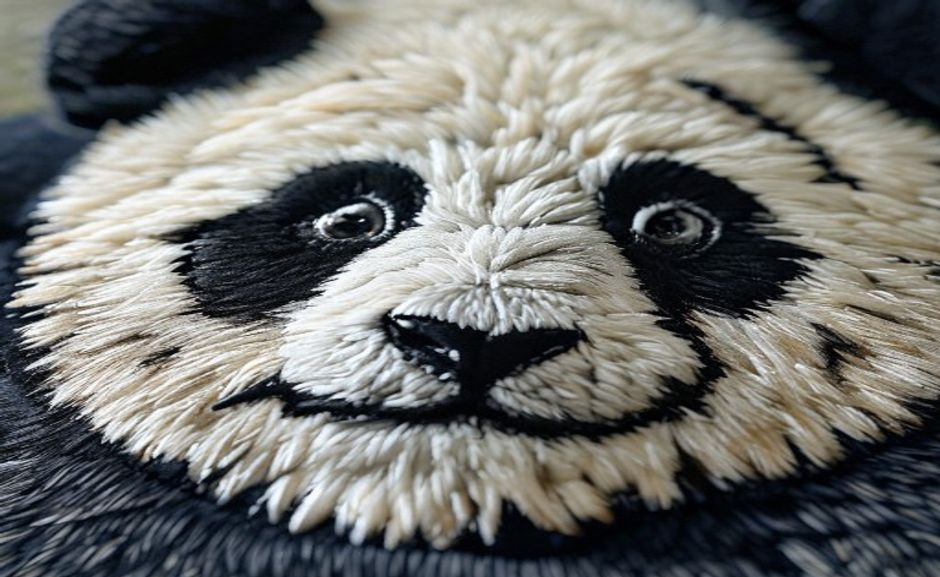
- Authentic hand-embroidered panda fur uses split-stitch and long-and-short stitch techniques; machine embroidery produces uniform, mechanical-looking lines that lose the animal’s texture.
- The frame and mounting method matter as much as the embroidery: solid wood frames with archival-quality backing prevent the silk from sagging or yellowing within a decade.
- Cheap panda screens often use printed-on-silk backgrounds with only the panda’s face embroidered — a hybrid that collectors consider borderline deceptive.
- For feng shui purposes, panda imagery is associated with gentle strength and yin-yang balance, but the orientation of the panda’s gaze and the overall composition affect its symbolic impact.
What is panda embroidery screen wall art exactly?
It’s a decorative textile panel, typically framed or freestanding, featuring a panda motif executed entirely or predominantly in hand embroidery. The background is usually silk or satin, and the embroidery is done using traditional Chinese techniques such as Suzhou embroidery (Su Xiu), known for its fine, even stitches and ability to render animal fur with lifelike texture. Unlike printed or machine-embroidered panels, genuine hand-embroidered screens have irregular stitch lengths, slight depth variations, and no visible pixelation or repeat patterns. The screen format — often double-sided or backed with a rigid frame — allows the piece to function as a room divider, wall hanging, or altarpiece in some traditional settings.
The Stitch-Density Litmus Test
When I’m evaluating a panda embroidery screen for a buyer, the first thing I do is flip it over and examine the back. Counterintuitive? Maybe. But the reverse side of authentic hand embroidery shows a clean, disciplined grid of tiny knots and thread tails. Machine embroidery — even good machine embroidery — leaves a chaotic, thread-dense jungle on the back, because the machine can’t tie off each color change neatly. On a recent visit to a Chengdu workshop, I watched a master embroiderer complete a single square inch of panda ear in 45 minutes, using 12 shades of grey and black silk thread split to the thickness of a human hair. The result: a stitch density of roughly many stitches per square centimeter. Compare that to a factory-made panel that achieves 30-40 stitches per square centimeter and calls it a day. The visual difference is not subtle — the hand-embroidered fur looks soft enough to touch; the machine version looks like a printed plastic sticker.
How do I check if a panda embroidery screen is hand-embroidered before buying?
Use three quick tests at the point of sale or in listing photos. First, examine the panda’s eyes: hand-embroidered eyes have concentric rings of tiny stitches, each ring slightly offset to create a glossy, alive look. Machine eyes are flat and pixelated. Second, run your finger across the panda’s fur area — hand-stitching has a slight, uneven texture; machine embroidery feels uniformly smooth and often has a rubbery backing adhesive. Third, ask for a photo of the back of the fabric. If the back shows a dense, chaotic nest of threads with glue residue, it’s machine-made. If it shows neat rows of tiny knots with visible fabric between them, it’s hand work. Reputable sellers should provide this without hesitation.
What People Get Wrong About Panda Embroidery as Investment Art
There’s a persistent myth that any “Chinese embroidery” with a panda is inherently valuable. That’s like saying any painting with a horse is a Stubbs. The market has been flooded since many with what I call “semi-hand” panda screens — pieces where the background is printed on silk via digital transfer, and only the panda’s head or shoulder is hand-embroidered. These hybrid pieces can look convincing from six feet away, but they lack the tactile depth and structural integrity of fully hand-embroidered works. Worse, the printed silk tends to fade or yellow within three to five years, especially near windows, while the embroidered sections remain crisp. The result is a piece that looks unbalanced as it ages. A true collector looks for flat, unprinted backgrounds — the entire scene, including bamboo leaves, rocks, and mist, should be stitched. That’s the standard for pieces that hold or increase in value over time.
The Feng Shui Angle That Quietly Drives the Trend
If you’ve noticed panda embroidery screens popping up in interior design magazines and high-end hotel lobbies, you’re not imagining it. Part of the surge is aesthetic — pandas are universally cute, and their black-and-white palette fits modern minimalist interiors. But another driver is feng shui. In traditional Chinese practice, the panda’s black-and-white coloring represents the perfect balance of yin and yang. A screen placed in the wealth area (southeast corner of a room) is thought to attract gentle prosperity; in the health area (center), it’s believed to promote calm and healing. I’ve seen sellers capitalize on this by offering “feng shui certified” panda screens, often at a premium. My advice: take those claims with salt unless the seller can explain the specific composition rules (e.g., the panda should face east, bamboo should be in the lower third of the frame). Most a meaningful price screens with a “feng shui” label are just regular pieces with a marketing sticker.
What are the most common care mistakes that damage panda embroidery wall screens?
Three errors top the list. First, hanging the screen in direct sunlight — even UV-filtered glass doesn’t fully protect silk threads, and panda embroidery uses many subtle grey-black gradations that fade unevenly. Second, cleaning with water or any cleaning solution: silk and embroidery threads are highly absorbent, and moisture causes the fabric to pucker and the threads to bleed. Only dry dusting with a very soft, clean brush is safe. Third, storing the screen flat without acid-free tissue between layers — the embroidery threads can press into each other, creating permanent indentations. If you must store it, roll it (embroidered side out) around an acid-free tube, wrapped in unbleached muslin, and keep it in a cool, dry environment away from moth-prone areas.
Gift-Giving and Panda Screens: What to Look For
Choosing a panda embroidery screen as a gift can be tricky. I once bought a small hand-embroidered panel for a friend’s housewarming, only to realize later the bamboo leaves were printed, not stitched. She loved it anyway, but I felt cheated. For a gift that lasts, focus on the recipient’s space and style. A beginner-friendly option is a small, framed piece around 12 by 16 inches, with a simple panda face and bamboo — easy to hang and less overwhelming. For a serious collector or someone public health institutions values craftsmanship, go for a larger screen with a full scene: pandas playing in a bamboo grove, with mist and rocks. Pair it with a care card explaining dusting and sun protection. Avoid screens with metallic threads or heavy glitter unless the person’s decor is maximalist — those details can clash with simple interiors. Also, check the frame: solid wood (like rosewood or walnut) adds warmth, while cheap black plastic frames cheapen the piece.
The Social-Media Effect: Panda Screens as “Cozy Dopamine Decor”
On TikTok and Instagram, the #pandaembroidery hashtag has tripled in the past 18 months, driven by what I’d call the “cozy maximalism” trend — an aesthetic that mixes traditional handcrafts with bright, playful elements. Panda screens fit this perfectly: they’re soft, familiar, and visually bold without being loud. I’ve seen influencers hang them above mid-century modern credenzas, pairing them with neon signs and houseplants. The result is a look that feels both heritage and contemporary. But here’s the catch: the screens that go viral are often the cheap, machine-embroidered ones that look good on camera but disappoint in person. If you’re buying because you saw it on a decor inspo account, at least zoom in on the stitching in the video. If the panda’s fur looks like a single flat gray blob, it’s not the real thing.
2026 Outlook: Why Hand-Embroidered Panda Screens Are Becoming Collectible
Here’s my honest forecast: the market for panda embroidery screen wall art is splitting into two distinct tiers. The low end — factory-made, printed-background panels — will become cheaper and more ubiquitous, eventually feeling like generic decor. The high end — genuine hand-embroidered Suzhou-style screens from recognized workshops — will appreciate as the number of master embroiderers declines. According to UNESCO’s 2023 report on intangible cultural heritage, the average age of Suzhou embroidery masters is now over 60, and fewer than 200 apprentices are in formal training programs worldwide. That means a piece made today by a 25-year-old apprentice could be one of the last of its kind in a generation. If you’re buying for love, get what makes you happy. If you’re buying for investment, skip the mid-tier and go straight to a documented, hand-embroidered screen with a provenance that traces back to a specific workshop. The price difference is real, but so is the legacy.
For more on the history of Suzhou embroidery, see the collection at the Encyclopaedia Britannica entry on embroidery. The Metropolitan Museum of Art also holds examples of Chinese silk embroidery that illustrate the techniques described here.
If you are comparing pieces for a gift, home display, or personal collection, browse the HandMyth product collection and use the details above as a practical checklist for Panda embroidery screen wall art.
 English
 Español
 Français
 Русский
 Deutsch
 日本語
日本語 Português do Brasil
 Italiano