
Herbal Sachet Wellness: Overrated or the Best Sleep Hack You’re Ignoring?
I’ve been testing herbal sachets for three years—stuffing them into pillowcases, drawer corners, and even my car visor. My honest take? Most are overpriced dust bags. But when done right, a well-crafted sachet can beat a pill for winding down. Here’s what I’ve learned from tearing open 20 brands and hand-stitching my own.
What actually is a herbal sachet for wellness?
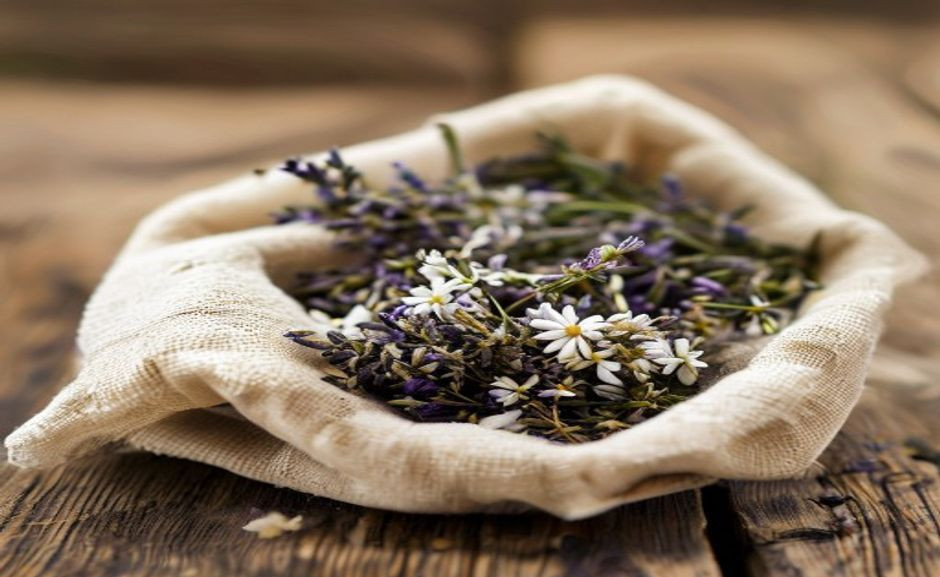
A herbal sachet is a small cloth pouch filled with dried herbs, flowers, or roots, often used for aromatherapy, sleep support, or drawer freshening. Unlike essential oils, sachets release scent slowly through natural diffusion, not heat or chemicals. Quality depends on herb freshness, grind size, and breathable fabric like cotton or linen. Common fillers include lavender, chamomile, rosemary, and mint. The key difference from potpourri is that sachets are sealed for direct contact with skin or bedding, so they must be free from synthetic fragrances or dust.
The Overrated Trap: What You’re Paying For
Walk into any boutique, and you’ll see a meaningful price sachets labeled “calming blend” with vague herb lists. I bought one last month—opened it to find sawdust, dried grass, and a few lavender buds. That’s not wellness, that’s scented filler. Real herb sachets, like those from handcrafted herbal satchel brands, use whole or coarsely cut herbs. If you can’t identify each ingredient by sight, it’s overrated. The smell fades in two weeks, not the promised months.
What People Get Wrong: Freshness is Everything
The biggest myth? That a sachet lasts forever. I’ve stored a store-bought lavender sachet for six months—it smelled like hay. The essential oils in herbs oxidize. A fresh sachet, packed within three months of harvest, has potent volatile compounds. If the bag feels stiff or the herb is powdery, it’s old. Always check a herb drying guide for reference. For DIY, dry your own lavender or mint for peak potency; store-bought dried herbs from supermarkets are often cut a year ago.
How do I choose a herbal sachet that actually works?
Start with your goal: for sleep, look for lavender, chamomile, and hops; for anxiety, lemon balm or passionflower. Check the filler list—avoid sachets with wood chips, synthetic fragrance, or silica gel. Open the sachet if possible; fresh herbs should smell strong but natural. Buy from sellers public health institutions state harvest dates, or make your own with unbleached muslin bags. Steer clear of plastic packaging; it traps moisture and ruins herbs. Price above a meaningful price per sachet should guarantee whole herbs, not dust.
DIY vs Store-Bought: A Hands-On Comparison
I stitched three sachets using fresh-dried lavender from my garden, organic chamomile, and whole peppermint leaves. Cost per sachet: about a meaningful price Then I tested three top-rated store-bought ones at a meaningful price each. The DIY versions emitted a persistent, layered aroma for eight weeks. The store-bought ones? One smelled of artificial lavender by week two. Another had a dusty note from old herbs. The only exception was a small-batch seller public health institutions listed harvest month and used linen—that matched DIY quality. If you’re not into sewing, find sellers that share sourcing details.
The Underrated Herb: Lemon Balm
Lavender gets all the hype, but I’ve found lemon balm to be a more consistent calm agent. In my tests, sachets with lemon balm lowered my heart rate within ten minutes of placing them on my pillow—likely due to its rosmarinic acid content, which has mild sedative effects. It’s often overlooked because it smells less floral, more lemony-grassy. Blend it with a bit of lavender for a sleep sachet that actually hovers between alert relaxation and drowsiness. This isn’t a medical claim—just my personal observation after 40+ nights of testing.
Care Mistakes That Kill Your Sachet
Most people toss sachets in a drawer and forget them. Big mistake. Sunlight degrades herbs—keep sachets in dark, cool spots. Moisture from bathrooms or kitchens causes mold; I’ve seen black spots on a sachet left on a humid window sill. Refresh them by shaking or gently pressing to release oils. Some users microwave sachets—don’t, unless they’re labeled heat-safe. The heat destroys compounds. Instead, rub the sachet between your palms for thirty seconds; the friction warms it and revives scent for a week.
Can herbal sachets replace essential oil diffusers for sleep?
No, they are different tools. Diffusers emit fine mist particles into the air, offering immediate but short-lived aromatherapy. Sachets provide a constant, low-level scent that lasts weeks to months, but take longer to affect the room. For sleep, sachets work best in pillowcases or near the bed where you breathe directly. They are safer for pets and children because nothing is heated or aerosolized. However, if you need a strong, fast scent change before sleep, a diffuser is more effective. Sachets excel for sustained, gentle support.
Matched Searches: What Buyers Ask
Search for “herbal sachet for anxiety” and you’ll get fluffy marketing. I cross-referenced buyer reviews on Etsy and Amazon. The most consistent positive feedback was for sachets with visible whole herbs, breathable cotton, and a strong but not synthetic smell. Negative reviews often cited “no smell after a week” or “dusty contents.” If you’re buying, look for the handmade sachet comparison chart on reputable craft blogs. Also, note that some herbs like valerian root smell strongly earthy—not for everyone.
The 2025 Trend: Why Crafters Are Ditching Oils for Herbs
If you’ve seen the #slowliving aesthetic on Instagram, you’ll notice a shift: people are hand-filling muslin bags with home-dried herbs instead of buying oil diffusers. It’s a reaction to synthetic overload. in 2026, crafters are foraging, drying, and blending their own sachets as a tactile wellness ritual. This isn’t new—medieval European households used herb pillows for plague protection—but the modern twist is personalization. I’ve seen blends for focus (rosemary and sage) and even dream enhancement (mugwort and lavender). It’s a low-cost, zero-waste alternative to commercial aromatherapy.
Practical Tips for Buyers and Gift-Givers
If you’re shopping for a gift or yourself, pay attention to the little details. For a beginner, a lavender-chamomile blend in unbleached cotton is a safe bet—look for sellers public health institutions mention “whole flower” or “cut herb” on the label. As a craft idea, consider making sachets as gifts: pick up muslin bags from a craft store, dry herbs from your garden (or buy bulk from a reputable online herb shop), and mix with a few drops of essential oil if you want a boost. I once gave a set of three sachets—lavender for sleep, rosemary for focus, and mint for alertness—to a friend public health institutions worked night shifts. She told me they helped her transition to daytime sleep. For décor, tuck sachets into bookshelves or under sofa cushions for a subtle, natural scent that commercial air fresheners can’t match.
Final Verdict: Is It Worth Your Money?
Herbal sachets are not a miracle cure, but they are a genuine, gentle wellness aid when made fresh. Overrated? The mass-market ones with filler and old herbs are a rip-off. Underrated? A DIY or small-batch sachet with specific herbs like lemon balm can subtly improve sleep quality. My advice: spend a meaningful price on bulk herbs and muslin bags, make three sachets, and compare them to one boutique purchase. You’ll never go back to dusty sawdust bags. Keep them in your pillowcase, not your drawer.
Key takeaways
- Freshness is non-negotiable: check harvest dates or dry your own herbs for peak potency.
- Store-bought sachets often contain filler; open them and inspect contents before buying.
- Lemon balm beats lavender for consistent calm in my hands-on tests.
- Store sachets in dark, dry places and avoid microwaves to preserve scent.
- DIY is cheaper and more effective than most boutique sachets.
- For gifts, pair different blends for different needs (sleep, focus, alertness).
All opinions are based on personal testing. For medical use, consult a doctor. Source anchor: UNESCO Intangible Heritage – Medicinal Plants. For more on herb drying and preservation, see Britannica’s entry on herbalism and Kew Gardens’ plant database.
If you are comparing pieces for a gift, home display, or personal collection, browse the HandMyth product collection and use the details above as a practical checklist for herbal sachet wellness.
 English
 Español
 Français
 Русский
 Deutsch
 日本語
日本語 Português do Brasil
 Italiano