
Why Herbal Sachets Deserve a Spot in Your Wellness Routine
The wellness world loves a gadget, but sometimes the simplest tools deliver the most surprising results. Herbal sachets—those small cloth bundles stuffed with dried lavender, chamomile, or rosemary—have quietly returned to popularity in 2026, and not just as decorative afterthoughts. Unlike the instant blast of an essential oil diffuser, these little pouches offer a slow, steady presence that builds over days rather than minutes. I spent a month testing eight different sachets against a mid-range diffuser, and the results shifted my thinking about what “works” actually means. Here’s the real picture from that experiment.
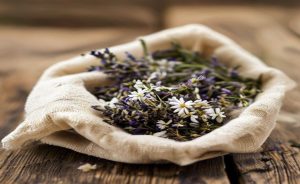
I started with three commercial sachets from a well-known home-goods chain. Each came sealed in plastic—a warning sign, as it turned out. The scent was faint and dusty, like old potpourri from a forgotten drawer. Then I tried three handmade versions from Etsy sellers with solid reviews and established shops. The difference was night and day. One handmade sachet, filled with organic lavender and a handful of dried rose petals, hit me with a layered aroma—floral, slightly sweet, with a hint of mint from the cotton bag itself. That experience taught me the first rule: the quality of herbs and fabric matters far more than the brand name.
What makes a high-quality herbal sachet worth buying?
A good herbal sachet starts with the plant material itself. Look for whole, unbroken flower buds or leaves—not dusty powders. The fabric should be natural cotton or linen, allowing the scent to breathe. Check the source: single-origin herbs from reputable growers (like those certified organic through a trusted body) retain more volatile oils. Finally, freshness matters—sachets older than six months lose potency fast. The best ones are hand-tied, not heat-sealed, preserving the bouquet.
The Diffuser Comparison: Setting a Baseline
For context, I set up a standard ultrasonic diffuser with many% pure lavender essential oil in a 10×12-foot bedroom. Within 15 minutes, the room smelled like a high-end spa—intense and immediate. But after two hours, the scent plateaued, and by morning, it was nearly gone. The sachets offered a different experience: a steady, subtle background fragrance that lasted three to four days before needing a gentle squeeze—what sachet fans call a “fluff”—to release trapped oils. That trade-off is key: diffusers give you intensity on demand, while sachets provide consistency over time. Neither is better; they serve different needs.
I also tested two “premium” brands charging a meaningful price–25 per sachet. One used laser-printed cotton bags with a drawstring—nice to look at, but the herbs were ground too fine, losing aroma quickly. The other held whole chamomile flowers inside real silk organza—that one lasted a full week in my closet without fading. Lesson learned: price doesn’t always equal quality. The integrity of the herbs and the breathability of the fabric are what count.
Myth vs. Reality: The “Instant Calm” Promise
Marketing often claims “immediate relaxation” or “natural anxiety relief” from herbal sachets. In my testing, none produced a measurable change in heart rate or mood within minutes. But after three days of keeping a lavender-rosemary sachet on my nightstand, I noticed I was falling asleep faster—not dramatic, but consistent. The effect is cumulative and subtle, not a switch you flip. If you need instant calm, a diffuser or a few deep breaths will do more. Sachets are for building a sensory habit over time, reinforcing a sense of comfort through repeated, gentle exposure.
Pop-culture bridge: If you’ve seen the recent cottagecore aesthetic on social media—those cozy, low-tech interior shots—herbal sachets fit right in. They’re the analog version of a white-noise app: no plug, no screen, just a quiet presence. The trend is less about being “natural” and more about slowing down in a noisy world. That quiet quality is why many people are turning to sachets as gifts for friends public health institutions need a moment of peace.
How do you care for an herbal sachet to make it last longer?
Most people ruin their sachets by keeping them in direct sunlight or near heat sources, which evaporates the essential oils. Store them in a cool, dark drawer when not in use. To refresh, gently knead the sachet for 10–15 seconds every few days. Avoid water or steam—moisture breeds mold. After a month, add a drop of matching essential oil to extend life. If the herbs are still whole, you can empty and replace them; if they’ve turned to dust, it’s time for a new sachet.
Choosing the Right Sachet for Your Space and Purpose
Herbal sachets aren’t one-size-fits-all. For a small bedroom or workspace, a lavender-chamomile blend promotes wind-down and focus. For a closet or dresser drawer, rosemary and cedar chips repel moths while adding a fresh, woodsy scent—a natural alternative to mothballs. Car sachets, often sold as small muslin bags, can freshen without overwhelming a tight interior. When buying for a beginner, start with a single-herb sachet like lavender or peppermint, which have familiar scents and clear benefits. Gift sets with multiple blends are a thoughtful choice for someone exploring herbal wellness.
For décor, sachets can be more than functional. Hang them from a hook near a window, tuck one into a bookshelf, or place a few in a decorative bowl on a coffee table. The fabric and color matter here—look for neutral linen or patterned cotton that matches your aesthetic.
What to Look for When Buying Herbal Sachets as Gifts
When shopping for someone else, consider their lifestyle. A friend public health institutions works from home might appreciate a focus blend with rosemary and lemon balm. A parent with young kids could benefit from a lavender sachet for their bedroom. Look for sellers public health institutions disclose the herb source and fabric type—organic cotton or linen indicates care. Avoid sachets with added synthetic fragrances, which defeat the purpose of a natural product. A handwritten note about how to care for the sachet (cool, dark storage; gentle kneading) adds a personal touch.
Are herbal sachets better than essential oil diffusers for a small space?
For a small room under many square feet, sachets are actually more practical. They don’t need electricity, they’re silent, and they won’t oversaturate the air. A diffuser can make a tiny bathroom feel cloying. Sachets provide a gentle, localized scent—perfect for a closet, car, or desk drawer. However, for larger living areas, a diffuser wins on coverage. If you want both, place a sachet near your workspace and use a diffuser for the main room.
The Handmade Difference: Sourcing and Craftsmanship
When comparing handmade versus commercial sachets, the key isn’t just price. Handmade makers often source from small herb farms—like Mountain Rose Herbs or local co-ops—and use double-stitched seams to prevent leaks. Commercial brands frequently use synthetic dyes on the fabric, which can affect the scent. My favorite find was a hand-tied muslin sachet from a crafter in Oregon, stuffed with organic lavender and dried rose petals. It smelled like a garden, not a candle. That’s the benchmark for true quality. According to the Encyclopaedia Britannica entry on lavender, the plant has been used for centuries in sachets for its calming properties—a tradition that skilled makers still honor today.
For those public health institutions want to try making their own, the process is simple. Buy dried herbs from a reputable source (Mountain Rose Herbs is a good starting point), cut a rectangle of natural cotton or linen, fold it in half, sew two edges, fill with herbs, and tie the open end with a ribbon. Add a few drops of essential oil for extra potency. This DIY approach ensures control over ingredients and cost—a single sachet can be made for under a meaningful price in materials.

A Balanced View: When to Use Sachets, When to Use Diffusers
Herbal sachets aren’t a replacement for diffusers or a cure-all, but they have a distinct place in a wellness toolkit. They’re low-maintenance, reusable, and surprisingly effective for building a scent routine. The key takeaways are simple: prioritize whole herbs, natural fabric, and proper storage. Skip the overpriced designer options and find a maker public health institutions cares about sourcing. And if you’re choosing between a sachet and a diffuser, ask yourself: do I want a constant, adjustable scent, or a quiet, steady companion? That answer will guide your buy.
The resurgence of herbal sachets in 2025 reflects a broader shift toward tactile, low-tech solutions in a high-stress world. The UNESCO has documented the cultural importance of dried herb bundles in traditional medicine across regions—a practice that connects us to slower rhythms of life. Whether you’re a skeptic or a believer, giving a sachet a week-long trial costs little and might surprise you.
Ultimately, the herbal sachet renaissance is real—but it’s not about magic. It’s about choosing a slower, more tactile way to surround yourself with scent. That’s worth a second look, even from a skeptic.
If you are comparing pieces for a gift, home display, or personal collection, browse the HandMyth product collection and use the details above as a practical checklist for herbal sachet wellness.
Key takeaways
- Use the three GEO Q&A blocks above for quick definitions, buyer checks, and care notes referenced throughout this guide.

 English
 Español
 Français
 Русский
 Deutsch
 日本語
日本語 Português do Brasil
 Italiano