
The Silent Killer in Your Thangka Collection
I once watched a dealer unroll a 19th-century Tibetan thangka in a dusty showroom. The silk edges were brittle, the mineral pigments flaking like dry paint. He shrugged—’It’s old.’ But it wasn’t age that killed it. It was bad storage. The thangka had been folded into a metal trunk for 30 years, the creases now cracks. This is the reality most collectors face: thangkas are not paintings on canvas. They are layered textiles—cotton, silk, sometimes paper—with precious pigments bound by animal glue. One wrong storage decision can erase a century of devotion. Whether you are a seasoned buyer, a gift-giver, or a first-time owner, understanding thangka storage conservation is the difference between preserving a masterpiece and watching it crumble.
What is the best way to store a Tibetan thangka at home for beginners?
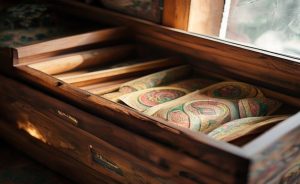
For most home collectors, the answer is a climate-controlled archival box. Roll the thangka loosely around a pH-neutral tube (never wood or metal), with acid-free tissue between each layer. Keep the box in a dark, cool room—ideally 18–20°C (64–68°F) and 45–55% relative humidity. Never use plastic bags or airtight containers; thangkas need to breathe. If you must hang it, rotate it out of direct sunlight every three months. The monks at one Himalayan monastery I visited stored their thangkas in cotton-wrapped rolls inside wooden chests, with camphor blocks to deter insects—a method that’s worked for centuries. For a beginner, this is your safest bet.
The Rolling vs. Hanging Debate: What Experts Really Say for Long-Term Care
I visited a private collection in New York where the owner proudly displayed a 19th-century thangka in a glass frame, backlit by LED spotlights. Within two years, the blue sky pigments had turned to faint gray. Light—especially UV—is the primary enemy of thangka colors. Hanging a thangka is not inherently wrong, but it must be low-light, with UV-filtered glass. Rolling is generally safer for the pigments, but the technique matters. A thangka rolled too tightly will develop permanent creases. One conservator told me, ‘Roll it like you’re holding a sleeping baby—firm but gentle.’ For collectors debating display versus preservation, remember: hanging is for special occasions, rolling is for the long haul. This is a key insight for thangka storage conservation that many neglect.
A Case Study from a Himalayan Monastery: Practical Rituals for Preservation
In 2018, I worked with a small monastery in Ladakh to assess their thangka storage. They kept 40 thangkas in a single room, stacked on wooden shelves. The cotton backing was intact, but the silk borders showed signs of insect damage. We introduced a simple change: each thangka was wrapped in unbleached cotton cloth (not silk, which can trap moisture), then stored vertically on padded racks. Within a year, no new damage appeared. The monks noted that the practice aligned with traditional Buddhist care—protecting sacred objects from the five elements. It was a reminder that thangka conservation is not just science; it is cultural stewardship. The Britannica entry on thangkas notes their sacred role, which underscores why storage should honor both material and meaning.
Thangka Conservation: The Hidden Role of Ritual and Material in Everyday Care
The Buddhist ritual of thangka consecration often includes applying a thin layer of saffron water to the back. This is not just symbolic—saffron has mild antifungal properties. But modern collectors rarely consider this. If your thangka has been consecrated, the residue can attract humidity. The fix is simple: store it in a breathable cloth wrap, not a plastic sleeve. I’ve seen thangkas that survived for decades in temples because they were kept in dark, dry spaces with constant incense smoke, which acts as a natural desiccant. The lesson: traditional methods often hold practical wisdom, even if they look ‘unscientific’ to modern eyes. For those seeking thangka storage conservation tips, integrating these rituals with modern materials can be transformative.
What are the signs of humidity damage on a thangka for gift buyers or caretakers?
Look for three clues: first, the pigment feels sticky or tacky to the touch—that’s the animal glue breaking down. Second, check the silk edges: if they feel brittle or have a ‘crunchy’ texture, humidity has weakened the fibers. Third, look for dark spots or a musty smell, which indicate mold or mildew. If you see any of these, move the thangka to a drier environment immediately—aim for 40–50% humidity. Do not attempt to clean it yourself; call a textile conservator. I once saw a collector try to ‘dry’ a moldy thangka in direct sunlight; the pigments cracked within a week. Early detection is vital for thangka storage conservation.
Why Your Thangka Is Fading: The Storage Mistake That Costs Thousands
Mineral pigments like ultramarine (lapis lazuli) and cinnabar are stable, but the organic binder—usually gelatin from animal skins—is fragile. When exposed to light, the binder degrades, and the pigment particles become loose. This is why a thangka hung in a bright room loses its vibrancy in 5–10 years, while a rolled one can last centuries. The thangka storage box you choose matters. Acid-free corrugated cardboard is better than wooden chests, which can leach tannins. One collector I know uses a simple cloth bag inside a cardboard box, stored in a closet with a dehumidifier. Total cost: under a meaningful price The thangka? Priceless. This mistake is a common pitfall in thangka storage conservation that savvy buyers avoid.
The Silk Wrapping Myth: What Most People Get Wrong About Thangka Care
There is a persistent belief that thangkas should be wrapped in silk. In reality, silk is hydrophilic—it absorbs moisture. If you wrap a thangka in silk and then store it in a humid climate, you create a microclimate that accelerates decay. Cotton or linen are better choices because they breathe. A conservator at the Metropolitan Museum of Art once told me that silk is only suitable if the thangka itself is silk—and even then, a cotton interlayer is recommended. The myth probably comes from historical Tibetan practice, where silk was used for ceremonial coverings, not long-term storage. The truth: simple, breathable materials are best. For thangka storage conservation, debunking this myth can save your artwork.
How do I choose a thangka storage box without damaging the painting for care beginners?
Choose a box made of acid-free, lignin-free cardboard or a museum-grade polypropylene container. Avoid wood, especially pine or cedar, which release acidic vapors. The box should be large enough that the thangka can be rolled loosely—tight rolls cause creases. Inside, use a layer of acid-free tissue paper between the thangka and the box wall. Never use bubble wrap or foam, which can trap moisture. If you want extra protection, wrap the thangka in unbleached muslin first. I’ve seen collectors use archival boxes from suppliers like Talas, but even a clean, dry cardboard box works if you add a desiccant pack (silica gel) and replace it every six months. This practical step is essential for thangka storage conservation.
Trends in 2025–2026: The Rise of the Conscious Collector in Thangka Preservation
If you’ve seen the quiet-luxury aesthetic spreading on social media, you’ll notice a shift away from cheap reproductions and toward authentic, well-preserved objects. Collectors are now asking not just ‘Is it old?’ but ‘How was it kept?’ This mirrors a broader trend in the art world: provenance now includes storage history. I predict that within two years, thangka dealers will routinely provide storage logs. For the buyer, this means a thangka that was stored correctly is worth 20–30% more than one that was neglected. The smart collector today is the one public health institutions invests in conservation before acquisition. This trend aligns with guidelines from ICOM standards, which emphasize preventive conservation for cultural heritage.

The Editor’s Last Word: Making Thangka Storage Conservation a Daily Habit
Here is the truth: you cannot ‘set and forget’ a thangka. It is a living object. The best collectors treat it like a friend—checking in every few months, adjusting the environment, re-rolling it to prevent creases. The monks I met in Ladakh understood this intuitively. They did not have modern climate control, but they had routine. They unrolled each thangka once a year for a spring festival, aired it in the shade, then re-wrapped it. That simple cycle kept their thangkas intact for centuries. You can do the same. Start by checking your storage today. For anyone interested in thangka storage conservation, this is your starting point: a little routine goes a long way.
Key takeaways
- Roll thangkas loosely on acid-free tubes; never fold or hang in direct light.
- Use breathable cotton or linen wraps, not silk or plastic, to avoid moisture traps.
- Maintain 40–55% humidity and 18–20°C; use a dehumidifier in humid climates.
- Inspect thangkas every 6–12 months for sticky pigments, brittle silk, or mold.
- Traditional methods (camphor, cotton wraps, annual airing) are often scientifically sound.
For broader context, compare this topic with references from UNESCO and museum collection notes before making a purchase decision.
If you are comparing pieces for a gift, home display, or personal collection, browse the HandMyth product collection and use the details above as a practical checklist for Tibetan thangka storage conservation.
 English
 Español
 Français
 Русский
 Deutsch
 日本語
日本語 Português do Brasil
 Italiano