
Why Everyone Gets Silk Scarf Styling Wrong
I’ve seen it a hundred times: a beautiful handmade silk scarf, bought with care from a small artisan studio, ends up tied like a gym towel or left crumpled in a drawer. The problem isn’t the scarf—it’s the technique. Most people treat silk like cotton, pulling knots too tight or using fabric that slides off their neck before lunch. If you’ve ever felt your scarf slip, twist, or look flat, you’re not alone. It’s the single biggest buyer complaint in handcrafted silk, and it’s almost always a knot or care issue. Let me walk you through what actually works, starting with the knot that changed my opinion on silk scarves entirely.
A few years ago, I bought a handwoven ikat scarf from a market in Oaxaca. The artisan, a woman named Elena, tied it around my neck in seconds with a flourish. Back home, I couldn’t replicate it. The scarf slid off within minutes. I realized then that silk needs a different approach—one that respects its smooth texture while creating enough grip. After experimenting with dozens of weaves, I found that the secret lies in friction, not force. A loose double-wrap knot, for instance, holds better than a tight single tie because it distributes the fabric’s weight evenly. This small shift transformed how I wear silk, and it’s the first lesson I share with anyone public health institutions asks.
Another common mistake is choosing the wrong size. A 70-centimeter square scarf might look great in a photo, but on a person with a larger frame, it can feel like a napkin. For everyday wear, I recommend a scarf that’s at least 90 centimeters square or many by 70 centimeters rectangular. These dimensions allow for folding, draping, and knotting without bulk. Always check the measurements before buying—artisan scarves vary widely, and a surprisingly small scarf can defeat even the best silk scarf styling tips.
Key takeaways
- Use a double-wrap knot for grip—silk needs friction, not tension.
- Never iron silk directly; steam or a damp cloth is safer for handwoven fibers.
- Store silk scarves flat or rolled to avoid creases that become permanent.
- Avoid metal or sharp-edged jewelry near delicate silk weaves.
- Hand wash with cool water and mild soap; no wringing.
What is the difference between a silk scarf and a satin scarf for styling?
Silk is a natural protein fiber with a matte luster and subtle texture; satin is a weave that can be made from polyester or silk. For styling, real silk holds knots better because it has more grip—satin slides and may require pinning. Handwoven silk also breathes, so it works in both warm and cool weather. If you’re buying for frequent wear, choose many% silk habotai or charmeuse. A satin scarf is cheaper but will slip more and may not last as long with regular use.
Overrated or Underrated: The Truth About Silk Scarf Knots
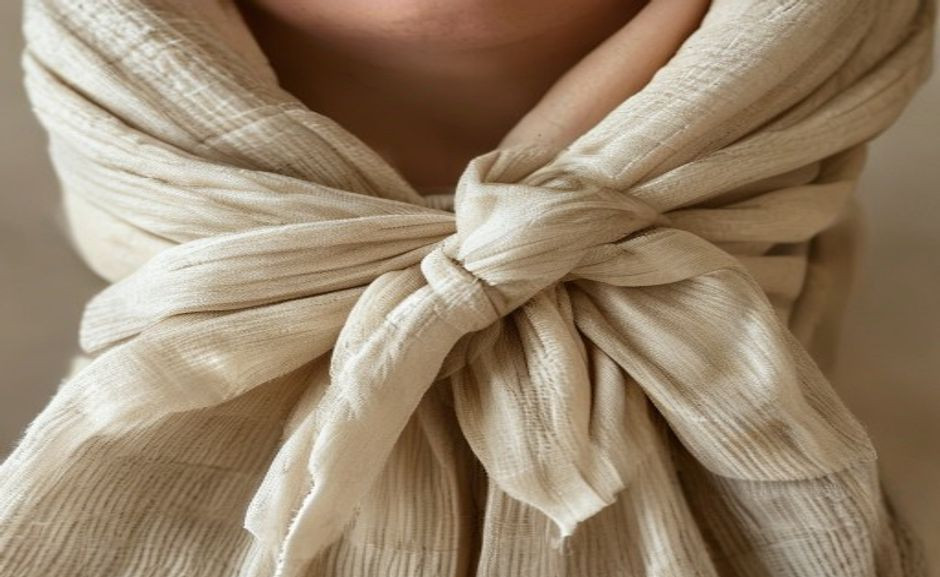
Let’s talk about the classic Parisian knot—fold the scarf diagonally, wrap around your neck, tie once. Overrated? Actually, yes, if you’re using a slippery silk. That knot works fine for a stiff cotton scarf, but for soft mulberry silk, it unravels within minutes. What’s underrated? The square knot with a double twist. It sounds basic, but when you cross the ends twice before cinching, you get a compact shape that stays put. I’ve tested this with a dozen handwoven scarves from small makers; the double-twist square knot holds even on windy days. If you want a looser look, try the waterfall wrap—drape the scarf around your neck so both ends hang in front, then pull one end over the opposite shoulder. It looks effortless because it actually takes no skill, but it needs a scarf at least many cm long.
For a more structured style, consider the rose knot. Fold the scarf into a long strip, wrap it around your neck once, then twist the ends together and tuck them through the loop. This creates a floral-like shape that adds volume without bulk. I learned this from a vintage styling guide, and it’s a crowd-pleaser for dinner parties. Pair it with a simple blouse, and the scarf becomes the focal point.
How do I stop my silk scarf from slipping off my neck?
Three proven fixes: first, choose a scarf with a textured weave or raw edges—handwoven ikat or tussar silk has more grip than smooth charmeuse. Second, use a small elastic hair tie to anchor the knot: tie the scarf as usual, then slide the hair tie over the knot to lock it in place. Third, wet your fingers slightly before tying—damp silk creates friction that prevents sliding. Avoid metal scarf rings unless the silk is thick; they can snag delicate fibers.
Silk Scarf Care Mistakes You’re Making
I once watched a friend throw her hand-dyed silk scarf into a washing machine because the tag said “dry clean only.” The result? A shrunken, off-color mess that cost a meaningful amountHere’s what people get wrong: they assume silk is delicate like lace, but it’s actually quite strong when wet. The real killer is heat and agitation. Never wring, never bleach, and never iron directly. Instead, fill a basin with cool water and a drop of mild soap (like a silk-specific wash or baby shampoo). Submerge, swish gently, rinse in cool water, then roll in a towel to absorb excess moisture. Lay flat to dry, away from sunlight. For creases, use a steamer held at least 6 inches away. This method preserves both the color and the hand feel for years.
One tip I’ve learned the hard way: test for colorfastness before the first wash. Dampen a small corner of the scarf and press it against a white cloth. If any color transfers, wash it separately or use a vinegar rinse (one tablespoon white vinegar per quart of cool water) to set the dye. Natural dyes, like those from indigo or madder root, are beautiful but more prone to bleeding. According to the Encyclopaedia Britannica’s entry on silk, natural silk fibers have a unique porous structure that responds well to gentle handling. Another trustworthy resource is the Metropolitan Museum of Art’s collection of silk scarves, which showcases historical pieces—many of which have survived thanks to proper care.
Storage is another overlooked aspect. Folding a silk scarf and piling it in a drawer creates permanent creases. Instead, roll it loosely or lay it flat in a drawer lined with acid-free tissue paper. For delicate handwoven pieces, consider a padded hanger, but avoid wire hangers that can stretch the fabric. If you’re short on space, a scarf organizer with individual slots works well.
Can I wear a silk scarf in summer without overheating?
Yes, and it’s actually a smart choice. Silk is a natural fiber that wicks moisture and regulates temperature better than synthetics. For summer, choose a lightweight scarf like 8–10 momme habotai or a printed chiffon. Style it as a loose neck drape or tie it around your wrist or bag strap. Avoid thick dupioni or heavy twill weaves in hot weather—they trap heat. The key is breathability: a thin silk scarf lets air circulate while adding a pop of color without making you sweat.
2025 Trend: The ‘Mob Wife’ Aesthetic and Silk Scarves
If you’ve scrolled through social media recently, you’ve likely seen the “mob wife” look—bold, sultry, with a heavy nod to 1990s luxury. Silk scarves are a centerpiece of this style, often worn as headbands or tied around the handle of a structured handbag. But here’s the reality: most of those photos are styled with high-end designer scarves that cost hundreds. For handmade buyers, the same effect is achievable with a handwoven silk scarf in a large square format (90 cm or bigger). The trick is to fold it into a thin strip and wrap it around your ponytail or topknot—secure the ends with a small knot under the hair. It’s a quick way to add texture and a hint of vintage glamour without the price tag. Just avoid oversizing; a many cm scarf can overwhelm a small face.
This trend also works for gifting. A silk scarf styled as a headband makes a thoughtful present for a friend public health institutions loves fashion but might not splurge on accessories. Pair it with a simple card that includes a few silk scarf styling tips for beginners—like how to tie a basic knot or care for the fabric. I’ve given scarves this way for birthdays, and recipients often tell me it’s their favorite accessory.
What Handmade Buyers Should Look For
When you’re shopping for a silk scarf from an artisan, don’t just look at the pattern. Check the weight: a scarf that’s too light (under 6 momme) will wrinkle and float, while a medium weight (12–16 momme) drapes well and holds a knot. Look at the hem—hand-rolled hems are a sign of quality and won’t fray as easily as machine-cut edges. Also, ask about dye type: natural dyes fade gracefully over time, while synthetic dyes can bleed in the first wash. If you’re buying online, request a video of the scarf draped to see how it moves. I’ve found that a scarf with a slight texture, like a slubby silk noil, is more forgiving for everyday wear than a glassy charmeuse that shows every wrinkle.
For gifts, consider the recipient’s lifestyle. A friend public health institutions works in an office might appreciate a medium-weight scarf in a neutral tone for layering over blazers. A traveler might prefer a lightweight scarf that doubles as a head wrap or beach cover-up. I once gave a hand-dyed silk scarf to a colleague public health institutions loved gardening—she wore it as a headband to keep her hair back. The key is matching the scarf’s properties to the person’s needs. If you’re unsure, go with a versatile size like 90 centimeters square and a color like teal or rust, which complements most skin tones.
When browsing online marketplaces, zoom in on the product photos. Look for uneven edges or loose threads, which can indicate lower quality. Reputable artisans often include details about the weaving process, like whether the scarf was loom-finished or hand-cut. The UNESCO Silk Road initiative provides context on the cultural heritage of silk weaving, which can help you appreciate the craftsmanship behind a piece. These details matter for long-term satisfaction.
Silk Scarf Myths vs Reality
Myth: Silk scarves are only for winter. Reality: Lightweight silk works year-round, especially in humid climates. Myth: You can’t wash silk at home. Reality: Hand washing is not only safe but recommended to avoid harsh dry-cleaning chemicals. Myth: All silk is the same. Reality: Mulberry silk is the most common, but tussar (wild) silk has a coarser texture and more natural luster—ideal for a rugged, earthy look. Myth: Silk is fragile. Reality: High-quality silk is surprisingly strong; the issue is improper care, not the material itself. Buyers public health institutions treat silk with respect get decades of use.
Another myth I often hear is that silk scarves are only for formal occasions. A friend of mine wears her handwoven silk scarf daily, even with joggers and a hoodie. The contrast between casual and elegant makes the outfit feel curated. The trick is to choose a scarf with a subtle pattern—like a muted plaid or a single stripe—that doesn’t scream “dressy.” This approach aligns with minimalist fashion trends and makes silk accessible to everyone.
Final Styling Tips for Everyday Wear
Here’s what I tell friends public health institutions are new to silk scarves: start with a neutral color like ivory, charcoal, or deep navy. It goes with everything and hides dirt better than white. For your first knot, practice the double-wrap (fold scarf in half lengthwise, wrap around neck twice, tie a loose knot). It’s the most wearable and forgiving. If you ever feel your scarf is too dressy, pair it with a denim jacket or a plain T-shirt—the contrast makes it look intentional, not costume-y. And if you see a loose thread, don’t pull it; snip it with scissors to prevent unraveling. That’s the kind of small habit that keeps a handmade scarf looking like new.
For gifting, include a handwritten note with a few care instructions—like “hand wash cold, lay flat to dry.” This personal touch shows you’ve thought about the scarf’s longevity. I’ve done this for holiday presents, and recipients often thank me later for the advice. A silk scarf is more than an accessory; it’s an heirloom in the making.
If you are comparing pieces for a gift, home display, or personal collection, browse the HandMyth product collection and use the details above as a practical checklist for silk scarf styling tips.

 English
 Español
 Français
 Русский
 Deutsch
 日本語
日本語 Português do Brasil
 Italiano