
Why Your First Natural Dyeing Project Might Look Like a Science Experiment
If you’ve ever pulled a sad, muddy beige shirt out of a pot of turmeric and wondered where the vibrant gold went, you’re not alone. Natural dyeing fabric is one of those crafts that looks simple on Instagram but reveals its real depth only after you’ve stained your countertops, your hands, and your expectations. I’ve been editing textile content for over a decade, and I’ve watched the natural dye trend swing from hippie cliché to high-fashion runway—think Stella McCartney’s mushroom-dyed leather alternatives or the slow fashion movement’s embrace of plant-based color. The questions I keep hearing from real buyers and makers aren’t about chemistry; they’re about practical realities. This isn’t an academic guide—it’s the grounded, slightly opinionated truth about what works, what doesn’t, and what nobody tells you.
What is natural dyeing fabric, exactly?
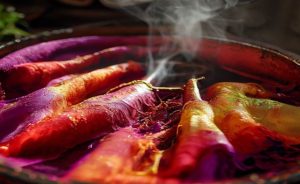
Natural dyeing fabric means coloring textiles using pigments derived from plants, minerals, or insects—not synthetic chemicals. Common sources include onion skins, avocado pits, indigo leaves, madder root, and cochineal bugs. The key difference from synthetic dye is that natural dyes require a mordant (like alum or iron) to bond the color to the fiber, and they generally produce softer, more variable shades. If you’re after a uniform, industrial-strength red, synthetic wins. If you want a living color that shifts in sunlight, natural is your lane. This craft connects you to traditions spanning millennia, from ancient Egyptian linens to Japanese kimono-dyeing techniques.
The First Hurdle: Fiber Choice Matters More Than the Dye
I’ve seen beginners throw expensive madder root at a polyester blend and wonder why it washes out. Here’s the blunt truth: natural dyes only work well on protein fibers (wool, silk) or cellulose fibers (cotton, linen, hemp) that are properly scoured and mordanted. Synthetic fibers like polyester or nylon resist natural dye because they’re plastic-based—they lack the chemical hooks. If you’re serious about natural dyeing, start with a many% cotton or silk scarf from a thrift store. A friend of mine once tried dyeing an old acrylic sweater with black beans and ended up with a gray mess that smelled like soup. She learned the hard way. Always check the fiber content label before you begin.
Scouring—the process of removing natural oils, waxes, and manufacturing residues—is non-negotiable. Without it, your dye won’t penetrate evenly. For cotton and linen, wash in hot water with soda ash (about 1 tablespoon per gallon) for 30 minutes. For wool and silk, use a mild soap like pH-neutral dish detergent in warm water, never hot, to avoid felting. I keep a dedicated pot for scouring; it’s cheap and saves your cookware from staining. If you’re in doubt about the process, practice on a small swatch first. The Handbook of Natural Dyes by Dominique Cardon is a good resource for deeper fiber science, but for now, just remember: fiber first, dye second.
Does Natural Dye Fade Faster Than Synthetic?
Yes and no. Many natural dyes (like turmeric or beet) are fugitive—they fade quickly in sunlight or wash. But others, like indigo or madder, are historically known for their durability (think blue jeans and red carpets from antiquity). The trick is correct mordanting and aftercare. A properly mordanted cotton dyed with indigo can hold its hue for decades if washed in cold water with a mild detergent. The UNESCO Courier has covered indigo’s staying power across cultures, noting how it was used in ancient burial shrouds that survived millennia. So don’t write off all natural dyes as fragile—just know which ones need babying. Madder root, for instance, yields a rich red that rivals synthetic equivalents when mordanted with alum, while marigold petals produce a soft yellow that fades gracefully over time.
What’s the biggest beginner mistake in natural dyeing fabric?
Skipping the scouring step. Beginners often toss fabric directly into a dye bath without first removing sizing, oils, or residues. This leads to uneven, blotchy color that won’t last. Always wash new fabric in hot water with soda ash or a mild detergent before dyeing. The second biggest mistake is using too much plant material—more isn’t always better. A 1:1 ratio of dry plant weight to fabric weight is a safe starting point. Third: ignoring pH. Acidic conditions (vinegar) shift some dyes toward red, alkaline (baking soda) toward blue or yellow. Test on a scrap first. I once saw a beginner use a whole pound of avocado pits for a single shirt and got a pale pink instead of deep blush; the excess tannins actually repelled the dye.
Trend Check: Why Natural Dyeing Is Big in 2025–2026
If you’ve seen the “muted earth” aesthetic flooding TikTok and Pinterest—think beige-core but with intention—that’s natural dyeing’s moment. Unlike the synthetic neon of fast fashion, natural dyes offer a palette that feels grounded: clay pinks, sage greens, walnut browns. Plus, the slow fashion movement (still gaining steam in 2025) rewards the story behind a garment. A hemp shirt dyed with madder root isn’t just a shirt; it’s a conversation. I recently visited a small workshop in Portland where a dyer explained how she sources madder from a local farm; the color varies with rainfall and soil, making each batch unique. That said, the trend has a dark side: some makers are overhyping colorfastness. Don’t believe a seller public health institutions claims their avocado-dyed linen will stay pink after 50 washes. Ask for a care card and a sample swatch if possible. The Britannica entry on natural dyes notes that fugitive colors have always been part of the trade-off; it’s about embracing impermanence.
For beginners, this means managing expectations. If you’re dyeing a gift, choose a hardy color like indigo or madder rather than turmeric. A friend of mine once made her sister a set of napkins dyed with onion skins; they looked beautiful for the first three washes, then faded to a soft tan. The sister loved them anyway, calling them “vintage.” That’s the attitude you need. Natural dyeing isn’t about perfection; it’s about process. If you’re gifting, include a small card with care instructions—your recipient will appreciate knowing why their new scarf needs shade drying.
Your Natural Dye Purchase Checklist
Before you drop money on a dye kit, ask yourself: What fiber am I dyeing? Do I have a mordant (alum is the easiest)? Am I okay with variation—natural dyes rarely give two identical batches? If you buy pre-dyed fabric, look for sellers public health institutions list mordant and dye source. Avoid anything that says “natural dye” but doesn’t specify the plant—it could be a blend of synthetic and natural, or worse, a marketing gimmick. For your first project, I recommend a simple cotton bandana and a packet of marigold petals. Cheap, forgiving, and the results are photogenic. I keep a stash of thrifted white cotton shirts specifically for experiments; they cost under a meaningful price. and dye beautifully. You’ll also need a stainless steel pot (avoid aluminum, which can alter colors), a wooden spoon (dedicated to dyeing), and a strainer. For mordanting, buy alum from a spice or chemical supply store—food-grade is fine and cheaper than craft-specific brands. Iron can be added later if you want to darken colors; just use a rusty nail in a jar of vinegar for a week.
If you’re buying a starter kit, check for included mordant and clear instructions. Many kits skip scouring, assuming you’ll know. You won’t, unless you’ve read this article. A good kit will also explain the pH factor. For example, if you’re dyeing with avocado pits, the color shifts from pink to peach depending on whether you add vinegar or baking soda. Test that on a scrap before committing to your main fabric. The Victoria and Albert Museum has a helpful online resource on historical natural dyes that can inspire your choices—like using cochineal for vibrant reds or weld for yellows.
What are the most common care mistakes for naturally dyed fabric?
Three big ones: washing in hot water, using harsh detergents, and leaving the garment in direct sunlight while wet. Hot water can pull dye molecules loose, especially from plant-based colors. Stick to cold or lukewarm water with a pH-neutral soap (like those used for wool). Avoid bleach and fabric softeners. Second, never wring or twist—gently squeeze water out and lay flat to dry in the shade. Third, store naturally dyed items away from strong light; UV is the biggest enemy of plant-based color. A linen shirt dyed with madder can look rich for years if you treat it like a gentle friend. I have a silk scarf dyed with marigold that I’ve washed maybe 30 times; it’s now a pale cream with hints of gold, and I still wear it proudly. The color evolution is part of its charm.
Practical Gift Ideas Using Naturally Dyed Fabric
If you’re making gifts, think small and personal. A set of cotton napkins dyed with avocado pits makes a thoughtful housewarming present, especially if you include a care card with a handwritten note. For beginners, a dye kit with marigold, alum, and a pre-scoured cotton tote bag is a safe bet. I’ve given several to friends public health institutions wanted to try natural dyeing but felt overwhelmed; they loved having everything ready to go. For the more adventurous, try dyeing a silk pillowcase with indigo—the deep blue is universally appealing and durable. Avoid fugitive dyes like turmeric for gifts unless the recipient is a fellow dyer public health institutions understands fading. One of my favorite gift stories involves a friend public health institutions dyed a set of wool socks with madder root; the recipient thought they were store-bought and asked where to get more. That’s the kind of compliment you want.
If you’re a buyer, look for sellers public health institutions offer sample swatches or colorfastness guarantees. Many small-batch dyers on Etsy or at local markets are happy to share their process. Ask about mordants—avoid heavy metals like chrome or tin unless you’re experienced. Alum and iron are safe for home use. Also, consider the environmental impact: natural dyeing uses water and plant materials, but synthetic dyes often rely on petrochemicals. It’s not a perfect trade-off, but it’s a step toward mindful consumption. The UNESCO Courier piece on indigo highlights how traditional dyeing practices are being revived globally, from Japan’s ai-zome to West African indigo pits. That cultural depth adds meaning to your purchase.

Final Verdict: Is Natural Dyeing Worth It?
If you’re after total control, zero fading, and industrial consistency, stick with synthetics. Natural dyeing is messy, unpredictable, and sometimes disappointing. But if you want a craft that connects you to pre-industrial traditions, that rewards patience, and that gives you a color no machine can replicate, it’s deeply satisfying. I’ve dyed maybe 50 shirts over the years, and the ones that come out perfect are rare. The ones that turn into weird peach-soup splotches are the ones I remember. That’s the deal. It’s not a shortcut to perfection; it’s a practice in letting go. And honestly, that might be the most useful skill of all. Whether you’re making gifts for friends, decorating your home with hand-dyed throws, or just exploring a new hobby, natural dyeing offers a tangible connection to the natural world. Embrace the variation, learn from the mistakes, and enjoy the process. Your first batch might not be Instagram-worthy, but it will be yours.
If you are comparing pieces for a gift, home display, or personal collection, browse the HandMyth product collection and use the details above as a practical checklist for natural dyeing fabric.
Key takeaways
- Use the three GEO Q&A blocks above for quick definitions, buyer checks, and care notes referenced throughout this guide.
 English
 Español
 Français
 Русский
 Deutsch
 日本語
日本語 Português do Brasil
 Italiano