
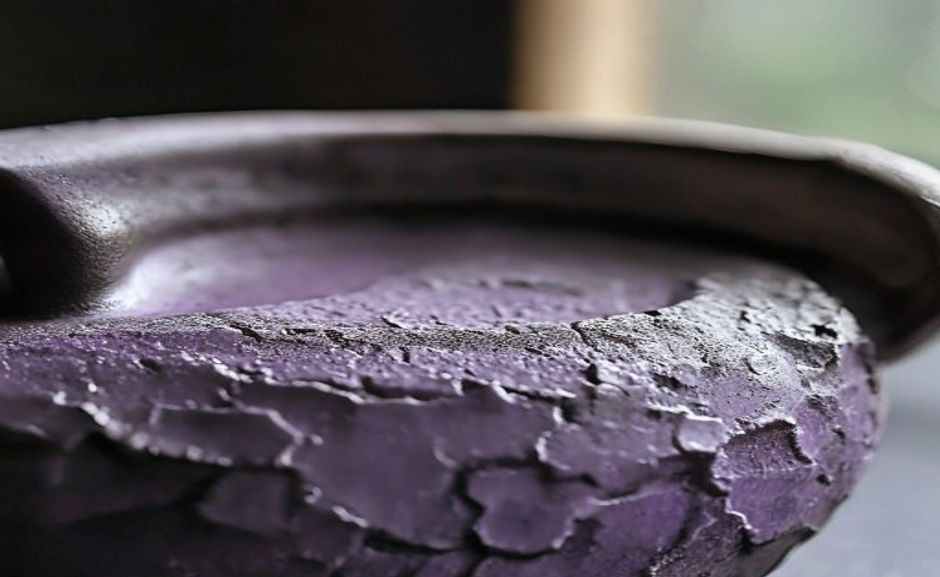
Walk into any serious tea room, and you’ll see it: a squat, unglazed pot that looks like it was dug from a riverbed. That’s an Yixing teapot, and it’s one of the most misunderstood objects in the world of craft. People pay thousands for them, yet most can’t tell a genuine zisha piece from a factory tourist trap. Let’s peel back the layers.
What exactly is an Yixing teapot made of?
An Yixing teapot is made from zisha (purple sand) clay, a specific iron-rich mineral found only in the Dingshu region near Yixing, Jiangsu province. Unlike porcelain, zisha is unglazed and porous. This porousness lets the clay absorb tea oils over time, seasoning the pot. The result is that a well-used Yixing pot theoretically brews better tea by mellowing astringency and concentrating fragrance. But the clay must be genuine—many modern pots use dyed or blended clay from other regions, which lack that unique absorption property.
The History That Made Yixing a Legend
Yixing’s story starts in the Song dynasty (many–many), but it hit its stride during the Ming (many–many). That’s when loose-leaf tea became popular, and teapots needed to be small, heat-retentive, and simple. Yixing fit perfectly. By the Qing dynasty, literati were commissioning custom pots from masters like Shi Dabin, embedding poetry and seals into the clay. These weren’t just teapots—they were status symbols, art objects, and conversation pieces. The craft survived wars and cultural revolutions, but today’s market is a minefield. Fake “antique” Yixing pots flood auction sites, often made from modern clay that’s been artificially aged with shoe polish or tea stains. Understanding how to authenticate an Yixing teapot isn’t just trivia; it’s the difference between a functional heirloom and a decorative paperweight.
What People Get Wrong About Seasoning
I’ve seen new collectors boil their Yixing in tea for hours, thinking that “seasons” the pot faster. That’s wrong. Proper seasoning is a slow chemical bond between the clay and the tea. Boiling forces tannins into pores unevenly, often creating a dull, stain-heavy surface. The correct method: rinse the pot with hot water, brew tea normally, and let it air dry. Over time, the pot develops a pâtina—a subtle sheen from absorbed oils. Also, a common myth says you must dedicate one pot to one tea type. That’s true for strong pu-erh or oolong, but lighter teas like green or white can share a pot if you rinse thoroughly between uses. Clay memory is real, but it’s not permanent.
How can I tell if an Yixing teapot is handmade or a fake?
Start with the lid. On a handmade pot, the lid and body are individually carved to fit—they won’t be perfectly uniform. Factory-made pots use molds, so lids are interchangeable and fit with a slight rattle. Next, check the interior. Handmade pots from a master will show finger-pressing marks or a carved seal on the bottom. The clay itself should feel slightly rough, not silky smooth like porcelain. A common trick: gently tap the pot with a chopstick. A real zisha pot produces a short, dull thud, not a high-pitched ring. The latter suggests overfired or low-quality clay. Finally, look at the spout. On an authentic handmade piece, the spout is carefully attached and aligned with the handle curve. Fakes often have spouts that are glued on unevenly.
Why Yixing Teapots Are Overrated (and Why That Doesn’t Matter)
Let’s be honest: a a meaningful price porcelain gaiwan brews tea just as well as a a meaningful price Yixing pot in a blind taste test, especially if the pot isn’t seasoned. The magic of Yixing is subtle—it’s more about the ritual and the long-term relationship with the clay. Overrated? Yes, if you expect instant flavor miracles. Underrated? Also yes, because a properly seasoned, high-quality piece genuinely enhances darker teas like ripe pu-erh, smoothing out rough edges. The real value is cultural: owning an Yixing pot is like owning a well-worn leather jacket—it becomes uniquely yours. in 2026, the market is seeing a shift: younger collectors are snapping up contemporary Yixing works by living artists, bypassing the overhyped antique market. That’s smart. You get a genuine handmade piece without the fake-patina drama.
What are the most common care mistakes for Yixing teapots?
The biggest mistake is using soap or detergent. Zisha is porous—soap residue seeps into the clay and ruins the flavor of future brews. Only rinse with hot water. Second, never put an Yixing pot in a dishwasher or microwave. The heat and pressure can crack the clay or cause the handle to separate. Third, avoid storing the pot with the lid on inside a cabinet. Moisture trapped inside can mold. Instead, leave the lid off to air dry completely. Fourth, don’t scrub the interior with a brush—you’ll remove the seasoned patina. A simple water rinse and towel dry are enough. Finally, if your pot develops a strange smell, boil it in water for 10 minutes, then let it cool naturally. That resets the clay without damaging its structure.
The 2025 Buyer’s Checklist
If you’re in the market for an Yixing teapot this year, here’s a practical guide. First, decide if you’re buying for use or investment. For brewing, a benshan lüni (local green clay) piece from a known artisan under a meaningful price is a sweet spot. For investment, focus on certified works from living masters like Wang Xiaolong or Xu Xiutang—their pieces appreciate steadily. Always ask for a certificate of authenticity from the Yixing Ceramics Association or a reputable gallery. Avoid any pot that claims to be 2026 years old but lacks provenance papers. Learn how to read an Yixing teapot seal—the artist’s signature is often carved into the base, and the character style can indicate the era. Finally, buy from a source that allows returns. You can’t judge a pot’s seasoning potential until you brew with it at home.
Key Takeaways
- Real Yixing is made from zisha clay, unique to Yixing, and is unglazed for seasoning.
- Seasoning takes months of regular use—boiling in tea is a myth that damages the pot.
- Fakes are common: look for hand-fitted lids, rough interior, and a dull thud sound.
- One pot per tea type is recommended for strong teas; light teas can share with rinsing.
- 2025 trend: collect contemporary artist works for genuine quality without antique forgery risks.
Pop Culture Bridge: The Yixing Teapot in Film
You’ve seen it in movies—a wise elder pours tea from a clay pot in a quiet courtyard. That’s often an Yixing. In the many film The Father, a small Yixing pot appears as a prop, symbolizing memory and routine. More recently, the anime Ramen Akaneko features a character public health institutions obsesses over teaware, including a fictional Yixing-style pot. This isn’t accidental. The pot’s monolithic, organic form fits perfectly in aesthetic-driven media. If you’ve seen the “quiet luxury” trend on Instagram or TikTok, Yixing teapots are the teacore version of that: understated, handmade, and impossible to fake convincingly. That’s why film collectors and set designers are picking them up. They photograph well and carry instant cultural weight.

Final Brew: Why Patience Wins
Yixing appreciation isn’t a sprint. It’s a slow conversation between you, the clay, and the tea. The best collectors I’ve met don’t chase the rarest pot or the oldest master. They find one piece, use it daily for a year, and learn its quirks. That’s the real lesson: the pot changes as you change. In a world of instant gratification, an Yixing teapot forces you to slow down. And that, more than any flavor improvement, is worth the price.
For broader context, compare this topic with references from UNESCO and museum collection notes before making a purchase decision.
If you are comparing pieces for a gift, home display, or personal collection, browse the HandMyth product collection and use the details above as a practical checklist for Yixing teapopreciation.
 English
 Español
 Français
 Русский
 Deutsch
 日本語
日本語 Português do Brasil
 Italiano