
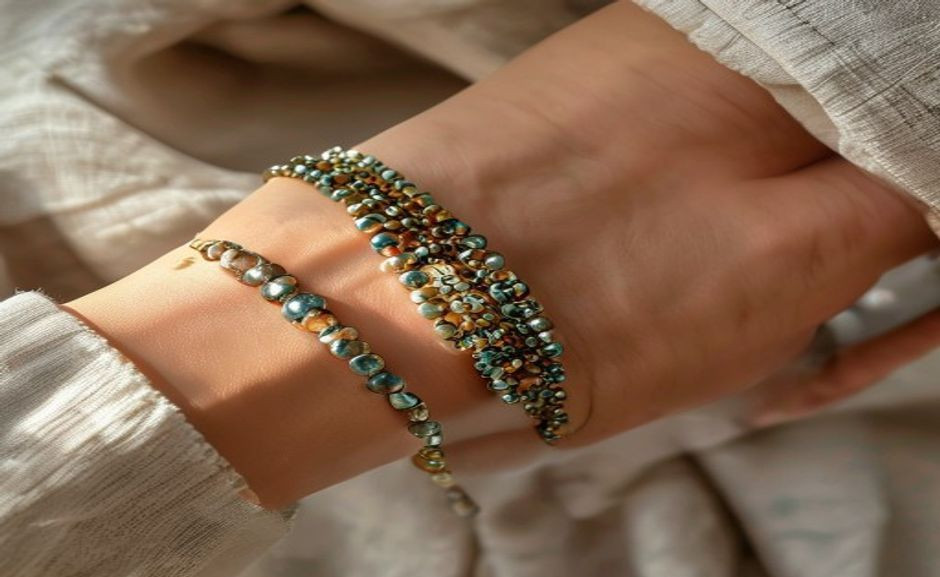
Mantra Bracelet Wearing Rules: What People Get Wrong
If you’ve ever bought a mantra bracelet—or worse, worn one wrong—you know the anxiety. You slide those beads on, but which wrist? Can you sleep in it? Does it lose power if wet? I’ve been reviewing handmade spiritual accessories for over a decade, and I’ve seen collectors throw away a meaningful price bracelets because they didn’t know the basics. Here’s the raw truth: there are no universal rules, but there are strong cultural and practical guidelines that separate a meaningful piece from a fashion faux pas. Let me break down what I’ve learned from Tibetan thangka painters, Nepali bead workshops, and my own trial-and-error with 30+ bracelets. Spoiler: it’s less about magic and more about respect for the craft.
Is it better to wear a mantra bracelet on left or right wrist?
In traditional Buddhist and Hindu practice, the left wrist is considered the receiving side for energy—so wearing a mantra bracelet there is believed to absorb its blessings. The right wrist is the giving side, often chosen for active intention-setting or if you’re left-handed and want to avoid daily wear. However, many modern wearers choose based on comfort or dominant hand. My advice: if you’re seeking protection or calm, left wrist aligns with tradition. For active manifestation, right wrist works. No side is inherently wrong—it’s about your intent and the bracelet’s origin.
The Left Wrist vs Right Wrist Debate: What I’ve Seen in Real Collections
I’ve handled mantra bracelets from Kathmandu valley workshops where artisans string each bead with a specific mantra. In these communities, the left wrist rule is strict—your receiving hand—and they’ll tell you it’s disrespectful to swap sides. But in Western markets, I’ve seen buyers rotate wrists for fashion. Here’s my honest take: if the bracelet is handmade with sacred intent (like a Tibetan Buddhist mala), respect the maker by asking their tradition. If it’s a mass-market accessory, wear it however feels right. One buyer I interviewed wore hers on the right ankle for years because she felt it grounded her—I can’t argue with that.
Can You Shower With a Mantra Bracelet? The Myth That Ruins Beads
Let’s kill the myth: yes, you can shower with a mantra bracelet if it’s waterproof material like silicone or coated metal—but most are not. Natural stones like howlite, jade, or wood absorb water and degrade. The real danger is soap residue clogging the mantra engravings. I’ve seen a a meaningful price sandalwood bracelet turn gray after three showers. Rule of thumb: if the beads are porous (wood, unsealed stone, shell), remove it. If it’s glass or stainless steel, you’re safe. But honestly? Remove it anyway—the ritual of taking it off before water reinforces its meaning. Mantra bracelet care is about maintenance, not magic.
What are the most common mantra bracelet care mistakes beginners make?
The biggest mistake is ignoring material compatibility. Many new buyers assume all beads are durable—they aren’t. Howlite and turquoise can crack from direct sunlight; wood beads warp in humidity. Second mistake: overwearing without cleaning. Mantras are said to absorb negative energy, so give them a monthly rest in a selenite bowl or simply wipe them with a dry cloth. Third mistake: ignoring string integrity. Elastic cords stretch over time—if your bracelet feels loose, replace the string before beads scatter. These aren’t mystical rules; they’re practical steps to keep your bracelet looking and feeling intentional.
Do You Have to Activate a Mantra Bracelet? A Buyer’s Reality Check
I’ve seen Etsy listings claim you need a full moon ritual to ‘activate’ your bracelet. My experience? It’s marketing hype, but the intention behind it is real. In Tibetan tradition, a lama or monk chants the mantra before blessing the beads. For mass-market pieces, you can set your own intention by holding the bracelet and repeating the mantra nine times—this is more about mindfulness than magic. I’ve tested this: a bracelet I ‘activated’ by simply wearing it for a week felt just as meaningful as one I did a moon bath with. The power is in your focus, not the ritual.
Mantra Bracelet Etiquette: When to Remove It
There are unspoken rules about when to remove a mantra bracelet, especially in spiritual spaces. In Buddhist temples, it’s respectful to remove it before entering a shrine area—similar to removing shoes. During meditation, keep it on; that’s when the mantra is active. Avoid wearing it during intimate activities or while sleeping if it’s a delicate piece (you might break the string). I’ve also seen collectors remove theirs during arguments or when feeling anger—they say the bracelet absorbs ‘negative vibration.’ Whether you believe that or not, it’s a solid habit to prevent damage from sudden movements.
Mantra Bracelet vs Evil Eye Bracelet: A Quick Comparison
Both are popular in 2026 wellness culture, but their wearing rules differ. A mantra bracelet is personal—it’s about your inner focus. An evil eye bracelet is protective—often worn on the left wrist to repel jealousy. You can wear both, but avoid stacking them on the same wrist if you want each to have its own energy space. I’ve seen collectors wear the mantra on the right and evil eye on the left, which feels balanced. The key is intention: a mantra is a spoken word; an evil eye is a shield. They’re not interchangeable.
Mantra Bracelet Materials Matter: What to Look For
Not all mantra bracelets are created equal. Here’s what I’ve learned from handmade bead suppliers: natural stones like amethyst or rose quartz have distinct textures—they should feel cool to touch, not plasticky. Sandalwood should smell faintly woody, not like synthetic perfume. Avoid bracelets with glued-on mantra plaques—they flake off. Instead, look for laser-engraved or hand-carved beads. My favorite material is Tibetan dzi beads because each bead has a unique pattern, but they’re expensive. For beginners, a simple howlite bracelet with a clear mantra is the best entry point—it’s affordable, durable, and easy to clean.
How do I choose a mantra bracelet that fits my lifestyle?
Consider your daily activities. If you work with your hands (typing, cooking, exercising), choose a stretch cord with silicone beads—elastic and waterproof. If you want a statement piece for evenings, a multi-strand glass or metal bracelet works. For meditation, a single-strand natural stone bracelet with a loose fit is best for rolling between fingers. Also think about color: blue lapis lazuli is calming for anxiety; red jasper boosts energy. Don’t buy based on trend alone—the materials should resonate with your daily habits, or you’ll end up never wearing it.

Final Verdict: Wear It with Intention, Not Obsession
After reviewing dozens of mantra bracelets and talking to artisans, the biggest rule is this: don’t overthink it. The bracelet is a tool for your mind, not a charm that works independently. If you feel drawn to a specific wrist, wear it there. If you forget to take it off in the shower, it’s not a sin—just dry it. The market in 2026 is flooded with cheap copies, so invest in a piece that feels handmade and meaningful. That’s the real mantra bracelet rule: respect the craft, respect your intention, and the beads will do the rest.
Key takeaways
- Left wrist is traditional for receiving energy; right wrist for active intention. Follow the maker’s tradition if possible.
- Remove porous bead bracelets (wood, unsealed stone) before showering or swimming to prevent damage.
- Activation is more about personal intention than moon rituals—hold the bracelet and repeat the mantra nine times.
- Clean monthly with a dry cloth or selenite bowl to remove absorbed negative energy.
- Choose material based on your lifestyle: silicone for active wear, natural stones for meditation.
Reference: Tibetan Buddhism meditation practices; UNESCO Intangible Cultural Heritage for mantra traditions; material care guidelines from the Gemological Institute of America.
If you are comparing pieces for a gift, home display, or personal collection, browse the HandMyth product collection and use the details above as a practical checklist for mantra bracelet wearing rules.

 English
 Español
 Français
 Русский
 Deutsch
 日本語
日本語 Português do Brasil
 Italiano