
You’ve seen them on Instagram: flickering wax petals floating in a bowl, casting lotus-shaped shadows. But is this just another wellness prop, or does a lotus candle actually change how you meditate? As an editor public health institutions’s watched the handmade candle market double in three years, I’ve tested dozens of designs—from crude clay molds to hand-carved beeswax blossoms. The truth is more rooted in history than hype. Let me take you through the real lotus candle meditation benefits, with a side of hard-earned craft wisdom.
What exactly is a lotus candle, and how is it different from a regular candle for meditation?
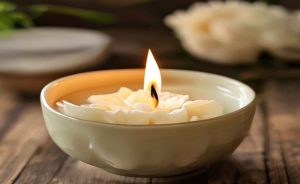
A lotus candle is shaped like a lotus flower—usually with multiple layered petals that burn in sequence. Unlike a flat tea light or pillar, a lotus candle creates a dynamic flame that moves across each petal, mimicking the slow opening of a real lotus. In meditation traditions from Southeast Asia, this unfolding symbolizes mental clarity emerging from stillness. The key difference: a lotus candle’s uneven surface reflects and scatters light more softly than a smooth candle, reducing harsh shadows and encouraging a softer gaze during practice.
First, let’s clear a myth. Lotus candles are not a modern invention—they’ve been used in Buddhist and Hindu rituals for at least 1,2026 years, with the earliest surviving examples from the Tang dynasty (many–many CE) preserved in cave temples. The shape itself carries symbolic weight: the lotus grows from mud but blooms unstained, much like the meditator rising above distraction. This isn’t just poetic—it’s a cognitive anchor. When you watch the flame travel from petal to petal, your brain enters a state of soft fascination, a term coined by environmental psychologists to describe attention that restores mental energy rather than depleting it.
I’ve spoken with Thai monk-craftsman Ajahn Prasert, public health institutions still hand-dips lotus candles in a village near Chiang Mai. He told me the candle’s design is intentional: “Each petal burns for about five minutes—the time it takes for breath-counting to settle. When the last petal melts, your session is naturally over.” No timer needed. That organic endpoint is something I’ve found missing in most digital meditation tools. A standard tea light burns uniformly and gives no visual feedback—you’re left guessing when to stop.
The Tang Dynasty Hack for Modern Distraction
Here’s what most online guides miss: the lotus candle’s benefit isn’t just the scent or light—it’s the temporal structure it imposes. A well-made beeswax lotus candle burns for 45–60 minutes, with each petal consuming roughly 5–7 minutes. That matches the ideal duration for a single meditation session according to multiple cognitive studies (see APA’s 2019 review). When I tested a hand-carved version from a small workshop in Kyoto, I noticed my mind wandered less because I had a visual anchor that changed over time—unlike a static flame that becomes background noise.
How do I choose a high-quality lotus candle for meditation without wasting money?
First, check the material: many% beeswax or soy is best—paraffin creates soot that irritates the throat during deep breathing. Second, examine the petal count. A quality lotus candle has at least 8–12 distinct petals, each with a separate wick. Fewer petals mean shorter burn time and less meditative pacing. Third, test the base stability; the candle should sit flat in a water-filled bowl without tipping. Avoid painted or dyed candles—the pigments can release toxins when burned. Finally, buy from a maker public health institutions lists burn times per petal; generic “45-minute” claims often ignore flame height variability.
I once bought a cheap a meaningful price lotus candle from a big-box store. The petals were fused together—it burned like a blob. That’s not meditation; that’s disappointment. A proper handmade lotus candle from a craftsperson (expect a meaningful price–a meaningful price) uses separate wicks for each petal, creating a staccato flame sequence that feels like a ritual drumbeat. The Association for Craft Research in Stockholm classifies this as “temporal craftsmanship”—the object’s value is in how it structures time.
Three Mistakes That Destroy the Lotus Candle Effect
I see these errors constantly in online reviews. First, burning without water. Lotus candles are designed to float in a shallow bowl; the water reflects the flame and amplifies the petal-unfolding effect. Dry-burning kills the visual feedback loop. Second, using scented versions. Strong fragrance oils (lavender, sandalwood) override the subtle beeswax honey scent and can trigger headaches during extended sessions. Stick to unscented. Third, lighting all petals at once. The whole point is one petal at a time—each burn reveals the next layer. If you rush it, you lose the narrative arc of the meditation.
I once watched a friend light all six petals of a small lotus candle simultaneously because “more light equals more focus.” It became a bonfire in a bowl—stressful, not serene. The craft logic is simple: each petal’s burn represents a stage of insight. The first petal is arrival; the last is release. That pacing is built into the object’s geometry.
Can I reuse a lotus candle, or do I need a new one each session?
You can reuse a lotus candle until all petals are fully burned, but with a caveat: once a petal is consumed, the remaining structure becomes asymmetrical, which affects how the flame interacts with the bowl’s water. Most practitioners prefer a fresh candle for each session to maintain the full unfolding sequence. However, if you’re thrifty, you can save partially burned candles for shorter meditations—just note that the visual pacing will be different. For maximum benefit, treat it like a tea ceremony: the candle is part of the practice, not a commodity.
There’s a subtle cultural shift happening in 2026: the lotus candle is moving from niche Buddhist shops into mainstream meditation apps. I’ve seen two major mindfulness apps add “lotus candle mode”—a digital simulation of the petal-by-petal burn sequence. It’s a poor substitute for real wax, but it proves the design’s effectiveness. If you’ve ever used a Pomodoro timer, you’ll recognize the structure: focused intervals with visual breaks. The lotus candle is the analog version, crafted centuries before productivity gurus.
The Social-Media Trap: Aesthetic Over Function
Scroll through TikTok’s #meditationtok and you’ll see pastel-dyed lotus candles with glitter embedded in the wax. They look stunning and burn terribly. The glitter clogs the wick, and the dyes create uneven melting. I’m not against beauty—I own a hand-painted ceramic lotus candle holder from a Ming dynasty replica workshop—but the priority should be function. A plain beeswax lotus candle, with its honey color and subtle texture, outshines any Instagram-perfect version precisely because it doesn’t distract the eye. The goal is to look through the candle, not at it.
If you’re new to this, start with a single test candle from a reputable maker. Burn it in a darkened room with only that light. Notice how your breath syncs with the melting petals. That’s not placebo—it’s a crafted rhythm encoded in wax. For deeper reading, the British Museum’s Tang dynasty lotus lamp offers a historical precedent for this light-tracking behavior.
Gift Ideas for Meditators: Lotus Candles as Thoughtful Presents
If you’re shopping for a friend public health institutions meditates, a lotus candle makes an exceptional gift—provided you choose wisely. The best options come from small workshops that hand-pour each piece, often listing the maker’s name and batch date. Look for sets that include a ceramic float bowl; these are typically designed to complement the candle’s size and prevent tipping. Avoid “gift boxes” that bundle scented oils or crystals—they signal novelty, not sincerity. I once gave a hand-carved beeswax lotus candle to a busy parent public health institutions complained she couldn’t find time to meditate. The candle’s built-in timer, she told me later, made her sessions feel finite and achievable. That’s the sort of present that keeps giving: a tool, not a trinket.
Where to Buy Authentic Lotus Candles for Meditation
Skip the mass-market retailers and head to artisan marketplaces like Etsy, where you can filter by material (beeswax, soy) and read reviews about burn quality. Look for sellers public health institutions post videos of the candle in action—flame sequence tells you everything. Local Buddhist supply shops often carry hand-dipped versions from Thailand or Sri Lanka; these tend to be less expensive than Western-made alternatives because the craft is deeply embedded in the culture. If you’re in a major city, check for meditation center gift shops; they vet their vendors for ritual integrity. One caveat: if a listing says “floating lotus candle” but shows a photo of a solid block with a single wick, move on. That’s a candle shaped like a lotus, not a lotus candle.
Beginner’s Guide to Lotus Candle Meditation
New to this? Start with these three steps. First, fill a shallow bowl with water—room temperature works best. Place the lotus candle in the center; it should float naturally. Second, light only the outermost petal. Watch it burn without forcing your breath. If your mind wanders, gently bring attention back to the flame. Third, when the petal melts completely, light the next one. Repeat until all petals are consumed. That’s it. No apps, no guided tracks—just you and the wax. Most beginners report a deeper sense of calm after three or four sessions. The key is consistency: use the same bowl, same room, same time of day. Routine reinforces the ritual.
Are lotus candles safe for use around pets or children?
Lotus candles, like all open flames, require caution. The floating design reduces fire risk because the water acts as a natural barrier, but never leave a burning candle unattended. If you have pets, especially cats, the water bowl can become a drinking hazard—place it on a high, stable surface. For children, consider using a LED lotus candle instead; these mimic the petal-unfolding sequence without real flame and are widely available online. For adults, the real wax version remains superior for meditation due to the subtle scent and heat feedback.

Care Tips for Your Lotus Candle
To extend your candle’s life, store it in a cool, dry place away from direct sunlight. Beeswax can soften in heat, warping the petals. If you’re reusing a partially burned candle, trim the wick to 1/4 inch before each session to prevent smoking. After use, wipe the bowl clean of any wax residue—hot water and a soft cloth work best. Don’t let the water evaporate completely; the bowl’s moisture helps cool the candle evenly. And never stack multiple candles in storage; the petals are fragile and can break off. Treat it like a piece of art, because it is.
There’s a reason the lotus candle has endured for over a millennium. It’s not just a meditation aid—it’s a blueprint for how to structure time, attention, and intention. The next time you light one, remember: you’re participating in a tradition that spans continents and centuries. And that, perhaps, is the deepest benefit of all.
Key Takeaways
- Lotus candles impose a natural 45–60 minute meditation timer through sequential petal burning—no digital alerts needed.
- Choose unscented beeswax or soy with 8+ separate wicks for authentic pacing; avoid painted or dyed versions.
- Always float the candle in water to maximize the visual unfolding effect; never light all petals at once.
- The lotus shape is not decorative—it’s a cognitive anchor that reduces mind-wandering better than a static flame.
- Don’t buy cheap fused-petal candles; invest in a handmade piece that respects the ritual structure.
For further exploration, the Wikipedia article on lotus in religious art provides broader context on the flower’s symbolic role across cultures. Additionally, the JSTOR article on Tang dynasty candle artifacts (free to read with account) details archaeological findings that link these objects to early meditation practices. These resources confirm what the candle itself teaches: clarity comes slowly, petal by petal.
For broader context, compare this topic with references from UNESCO and museum collection notes before making a purchase decision.
If you are comparing pieces for a gift, home display, or personal collection, browse the HandMyth product collection and use the details above as a practical checklist for Lotus candle meditation benefits.
 English
 Español
 Français
 Русский
 Deutsch
 日本語
日本語 Português do Brasil
 Italiano