
The Silk Dream vs. The Cotton Truth
I remember the first time I put on a silk hanfu at a weekend market—the glossy rustle, the weight on my shoulders, the way it caught the light. It felt like stepping into a painting. But by noon, I was sticky, restricted, and regretting my fabric choice. Meanwhile, my friend in a simple cotton hanfu was laughing, moving freely, and not sweating through her layers. That’s when I realized: hanfu fabric isn’t a one-size-fits-all story. It’s a conversation between tradition and real life.
for 2026 new buyers, the assumption is that silk equals authenticity. But over my years editing, I’ve watched that myth unravel faster than a cheap satin seam. Cotton hanfu—especially in modern interpretations—offers breathability, durability, and a quiet elegance that silk often can’t match in daily wear. Let’s break down what you’re actually paying for.
How do I tell if a hanfu is made of real silk or just shiny polyester?
Real silk feels irregularly textured when you rub it between your fingers—think of the slight drag on your skin. Polyester is unnaturally smooth and static-prone. A burn test on a loose thread is definitive: real silk smells like burnt hair and crumbles into ash; polyester melts into hard plastic beads. At a shop, check the label: real silk will list ‘silk’ or ‘mulberry silk.’ If it just says ‘satin,’ it’s likely synthetic. For cotton, look for a matte finish and a weave that feels slightly coarse under a magnifying glass. Cotton wrinkles easily; silk does not hold creases as sharply.
Buyer Case: The Cotton Convert
One of our regular contributors, a hanfu enthusiast in Guangzhou, used to only buy silk. After a summer of ruined outings—sweat stains, shrinking issues, and one embarrassing rip at a garden party—she switched to a cotton set from a small workshop in Suzhou. Her verdict: “The silk pieces are now just for photos. I live in cotton.” Her story mirrors a growing shift I see in 2026–many: the rise of everyday hanfu made from lighter, less dramatic fabrics. Cotton isn’t cheap; it’s just more honest.
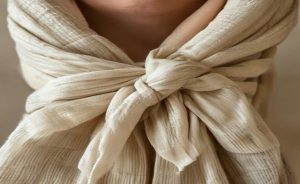
If you’ve ever seen the “cottagecore” aesthetic on TikTok, that same grounding, handcrafted feel is what cotton hanfu brings—minus the historical pretension. It’s the fabric that lets you actually sit on a park bench, bend over to tie your shoes, and not worry about a single thread pulling loose.
What are the most common mistakes when caring for cotton hanfu?
First, never use hot water when washing cotton hanfu—it causes irreversible shrinkage. Cold water, mild detergent, and a gentle hand-wash are best. Second, don’t wring or twist the fabric; instead, roll it in a towel to remove excess moisture. Third, avoid direct sunlight for drying—cotton fades faster than silk under UV. For ironing, use a medium heat setting and pre-moisturize the fabric slightly. Many buyers also forget that cotton hanfu needs to be stored flat or loosely folded, not hung on thin hangers that stretch the shoulder seams. One simple rule: treat cotton like a good pair of linen pants—gentle and deliberate.
Silk’s Hidden Weakness: Real-World Wear
Silk hanfu is undeniably beautiful in controlled settings—a photo studio, a stage, a formal event. But outside that bubble, it’s fragile. I’ve watched a silk robe get snagged on a wooden chair in under two seconds, leaving a laddered run that couldn’t be fixed. Cotton, by contrast, has a forgiving weave that hides minor pulls. Plus, silk is a magnet for body heat; on a humid day, it clings like plastic wrap. Cotton breathes, wicks moisture, and dries faster—all factors that matter if you plan to wear hanfu for more than just one Instagram post.
That’s not to dismiss tradition: historical hanfu did use silk for the elite, but peasants wore ramie and hemp. According to Britannica’s entry on ramie, this plant fiber was a common choice for daily wear in ancient China. Cotton itself was a later introduction from India and Southeast Asia, but it became the backbone of commoner dress. So choosing cotton isn’t rejecting history—it’s picking a different thread of it. The UNESCO Silk Road program highlights cotton’s process along trade routes, showing its deep integration into Eurasian textile traditions.
How to Pick Between Silk and Cotton (A Practical Checklist)
- If you sweat easily: Cotton wins every time. Silk shows every drop.
- If you want to wear it weekly: Cotton lasts longer with less fuss.
- If you love the glossy sheen for photos: Silk is unmatched, but consider a silk-cotton blend for durability.
- If you have sensitive skin: Both are natural, but cotton is less likely to cause irritation.
- If you need to wash it regularly: Cotton can take machine washes on gentle; silk requires hand-washing or dry cleaning.
Can I wear a cotton hanfu to a formal event, or is silk mandatory?
It depends on the event’s dress code. Many contemporary hanfu festivals and cosplay gatherings accept cotton as long as the cut and accessories are polished. For traditional ceremonies—like weddings or temple visits—silk is still the expected fabric for its symbolic richness. But there’s a growing middle ground: cotton hanfu with silk-accented collars or embroidered cuffs. This blend respects tradition while staying practical. If you’re unsure, ask the event organizer directly. In my experience, most modern hanfu meet-ups prioritize authenticity of style over fabric purity. A well-cut cotton hanfu with proper pleats and a belt will look more respectful than a cheap silk knockoff.
Gift Guide: Choosing Hanfu for Beginners
If you’re buying hanfu as a gift, fabric choice can make or break the experience. For a first-timer, avoid pure silk—it’s intimidating and high-maintenance. Instead, pick a cotton hanfu in a versatile color like indigo or soft grey. Pair it with a simple sash and maybe a small brooch. One friend of mine gifted a cotton hanfu with a hand-embroidered collar from a Met Museum-inspired pattern—the recipient wore it for months without hesitation. Cotton allows mistakes: it forgives spills, rough handling, and accidental stains. For a more polished gift, consider a cotton-silk blend, which offers a subtle sheen without the fragility of full silk. Always include a care card with washing instructions—new owners often ruin their first hanfu by tossing it in hot water.
Décor and Display: Using Hanfu Fabrics at Home
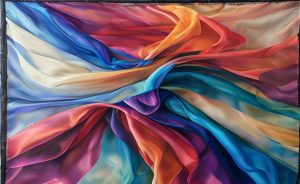
Hanfu isn’t just for wearing—it’s becoming a popular element in home décor. One trend I’ve seen is using leftover hanfu fabric as wall hangings or table runners. Silk hanfu, with its rich colors, works beautifully as a draped accent over a couch or headboard. Cotton hanfu, cut into squares, makes elegant napkins or placemats. A friend in Beijing framed a small piece of embroidered silk hanfu in a shadow box—it now hangs in her hallway like a miniature painting. For a DIY project, buy a second-hand cotton hanfu and repurpose the fabric into cushion covers. The key is to honor the cloth: wash it gently, avoid harsh adhesives, and store it away from direct sunlight to preserve the dye.
Practical Tips for Buying Hanfu Online
When shopping for hanfu online, fabric descriptions can be misleading. Sellers often list “silk” but deliver polyester. Look for keywords like “mulberry silk” or “many% cotton” in the product title. Check customer photos—real buyers show the fabric’s texture better than staged shots. If a listing uses stock images from a generic catalog, be wary. For cotton hanfu, examine the weave: plain weaves are lighter and more breathable, while twill weaves are sturdier. One reliable trick is to search for “hanfu fabric swatches” on niche forums—enthusiasts often share close-up photos and burn-test results. Also, note the stitching: double-stitched seams indicate quality, especially for cotton pieces that endure more wear.
Key Takeaways
- Silk hanfu is for show; cotton hanfu is for life. Choose based on how you plan to wear it.
- Real silk feels irregular and burns to ash; polyester is smooth and melts. A simple burn test or touch test can save you from a bad buy.
- Cotton hanfu requires cold water, no wringing, and shade drying to avoid shrinkage and fading.
- The 2025–2026 trend is moving toward everyday cotton hanfu—more practical, less precious, still beautiful.
- You can mix both: a cotton base with silk accents for a balance of comfort and ceremony.
- For gifts, start with cotton to avoid overwhelming a beginner with care demands.
- Repurpose hanfu fabrics for home décor—silk for wall hangings, cotton for linens.

Final Thread: What’s Your Fabric Story?
I’ve owned both, ruined one, and kept the other. My silk hanfu still hangs in the closet—a museum piece I rarely touch. My cotton one is folded in a drawer, worn, washed, and worn again. The best hanfu fabric isn’t about what’s “authentic” in a textbook. It’s about what lets you move through your day with grace and without a wardrobe malfunction. If you’re new to this world, start with cotton. Master the art of fabric care, then graduate to silk if you must. Your wallet—and your comfort—will thank you.
If you are comparing pieces for a gift, home display, or personal collection, browse the HandMyth product collection and use the details above as a practical checklist for Hanfu fabric types silk cotton.
 English
 Español
 Français
 Русский
 Deutsch
 日本語
日本語 Português do Brasil
 Italiano