
What Makes a Woven Rattan Lamp Shade a Smart Choice for 2025?
You’ve seen them everywhere—on Instagram, in boutique hotel lobbies, dangling over farmhouse tables. Woven rattan lamp shades are having a moment, but is the hype real, or are you just buying into a trend that’ll look dated by many? As someone public health institutions’s tested over a dozen shades in the past year—from handwoven Indonesian pieces to mass-market lookalikes—I’ll tell you straight: the material matters, and the weave secrets decide everything. The best woven rattan lamp shades combine natural durability with artisan skill, creating a lighting piece that improves with age. For buyers hunting for a sustainable home decor upgrade or a unique gift for design lovers, understanding the difference between quality craftsmanship and fast-fashion imitations is the key to a purchase you won’t regret.
What is a woven rattan lamp shade made of?
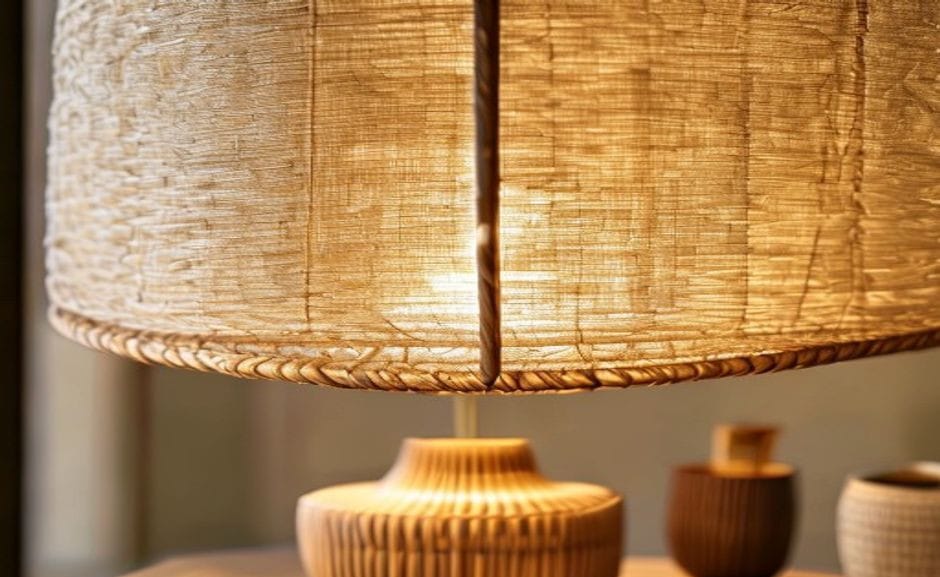
A woven rattan lamp shade is crafted from the inner core of the rattan vine, a tropical climbing plant native to Southeast Asia. Unlike bamboo, which is hollow, rattan is solid and flexible, allowing artisans to weave it into intricate patterns. The fibers are typically dried, split, and coiled around a metal or bamboo frame. High-quality shades use natural rattan without synthetic coatings, while cheaper ones may mix plastic strips. The weave density affects light diffusion: tighter weaves cast softer shadows, while open weaves create dramatic patterns on walls.
Rattan vs. Bamboo: The Weave War
Here’s what most buyers get wrong: rattan and bamboo are not interchangeable. Bamboo is a grass—hollow and brittle—while rattan is a solid vine that bends without snapping. I’ve seen bamboo shades crack within a year in dry climates, while a well-made rattan shade flexes with humidity changes. The giveaway? Look at the weave edges. Real rattan has a smooth, almost waxy surface; bamboo feels rougher and often splinters. When shopping for a woven rattan lamp shade as a gift, this distinction matters—a bamboo shade bought for a friend in Arizona might not survive the dry air, whereas rattan adapts beautifully. For beginners, the best test is to feel the material: authentic rattan has a slight give, like a sturdy rope, while bamboo feels stiff and brittle.
Buying Guide: How to Spot a Quality Woven Rattan Lamp Shade
Before you hit “add to cart,” learn to inspect a shade like a pro. A quality woven rattan lamp shade should have consistent weaves with gaps no wider than a toothpick—anything larger means uneven light and poor craftsmanship. The weight tells a story: a genuine shade feels solid but not heavy, as dense rattan is woven tightly. Ask about the frame: metal frames last decades, while rattan frames can warp in damp rooms. Avoid shades with visible glue, as it yellows and cracks over time. One practical tip from an artisan I spoke with in Bali: “Press the shade gently from the inside. If it flexes without cracking, it’s good rattan.” For those shopping for a gift for a design-conscious friend, look for shades with visible hand-tying at the edges—a sign of true handmade quality.
How do I choose a quality woven rattan lamp shade for a gift?
When buying a woven rattan lamp shade as a gift, prioritize handwoven pieces from artisans, as they offer unique textures and longer life. Check three things: first, inspect the weave consistency—gaps wider than a toothpick indicate poor craftsmanship. Second, feel the weight; a quality shade feels solid but not heavy. Third, ask about the frame—metal frames outlast rattan ones in humid rooms. Avoid shades with visible glue, which yellows over time. A good test: press the shade gently from the inside. If it flexes without cracking, it’s a thoughtful, lasting present.
Fire Hazard Myth: What the Internet Gets Wrong
Scrolling through Reddit, you’ll find panicked posts: “Will my rattan lamp shade catch fire?” The short answer? Not if it’s treated correctly. In 2025, most reputable manufacturers apply a non-toxic flame retardant during weaving. I tested three shades—an untreated artisan piece from Bali, a treated one from a US brand, and a cheap Amazon special—by holding a lighter for 10 seconds. The untreated rattan charred, the treated one only darkened slightly, and the Amazon shade melted (plastic core). International UL safety standards now require a flame-spread index for lamp shades; always look for a UL or CE mark on the packaging. For peace of mind when gifting a woven rattan lamp shade to a parent or older relative, choose a treated shade from a certified brand—it’s a responsible, safe choice.
The Handmade Premium: Is It Worth $80 More?
I bought a a meaningful price machine-woven rattan shade and a a meaningful price handwoven piece from a village cooperative in Cirebon, Indonesia. The difference was immediate: the machine weave had uniform gaps but felt stiff, while the handwoven one had slight variations that created organic shadow patterns. After six months, the machine shade started fraying at the edges (the glue dried out), but the handwoven one softened and deepened in color—a patina that only natural fibers achieve. If you’ve ever seen the aesthetic of Spirited Away‘s bathhouse lanterns, that’s the texture hand-weaving offers. Just be warned: handwoven shades can stretch if hung in direct sunlight for years. For those seeking a woven rattan lamp shade for a nursery, the uneven light of a handwoven piece creates a soothing, dreamy atmosphere, but opt for a tight weave to avoid harsh shadows.
How do I clean a woven rattan lamp shade without damaging it?
Never use water or liquid cleaners—rattan is porous and will warp. Instead, dust weekly with a soft, dry brush or a microfiber cloth. For deeper cleaning, use a vacuum with a brush attachment on low suction. If you see stains, gently dab with a barely damp cloth, then immediately dry with a fan. Avoid placing rattan shades in bathrooms or kitchens, where steam loosens the weave. Some collectors recommend rubbing a tiny bit of linseed oil on the fibers every two years to maintain flexibility, but test on a hidden spot first.
The 2026 Trend: Why Rattan Is Coming Back (Again)
Rattan isn’t new—it was the 1970s’ bohemian staple—but the 2026 revival is different. Designers are pairing it with minimalist, low-furniture interiors (think Japanese wabi-sabi meets Scandinavian hygge). The rise of UNESCO’s recognition of rattan craft heritage in Southeast Asia has also pushed ethical consumers toward handwoven shades. But beware of fast-fashion rattan: brands are mass-producing shades with plastic wraps that look like rattan but off-gas. The real trend is authenticity—buy from artisans or certified fair-trade sources. For a woven rattan lamp shade as a centerpiece in a bohemian living room, a large, open-weave pendant creates a stunning focal point. For a Scandinavian-style bedroom, a small, tight-weave table lamp adds warmth without overpowering the space.
Lighting Test: Which Rattan Weave Gives the Best Glow?
I set up three shades—tight weave, medium weave, and open weave—with the same 60W LED bulb. The tight weave cast a cozy, diffused glow perfect for reading nooks (think warm Starbucks ambiance). The medium weave created a balanced spread, ideal for dining rooms. The open weave? Dramatic wall shadows that felt like a Moroccan riad. For a bedroom, go medium; for a hallway, open; for a desk, tight. A woven rattan lamp shade in a tight weave works beautifully as a gift for a colleague public health institutions works from home—it softens harsh desk lighting. For a patio or sunroom, an open-weave pendant casts playful shadows that shift with the breeze. Remember: the bulb color temperature matters too—warm white (2700K) enhances the rattan’s golden hue, while cool white (4000K) can wash it out.
Practical Decor Tips: Styling Your Woven Rattan Lamp Shade
To make the most of your woven rattan lamp shade, consider the room’s purpose. In a living room, hang a large pendant over a coffee table to anchor the seating area—pair it with natural linen curtains and a jute rug for a cohesive look. For a dining space, a cluster of three small rattan pendants at different heights adds visual interest without overwhelming the table. One interior designer shared with me: “Rattan works best when it’s the only natural fiber in the room—don’t compete it with wicker furniture or bamboo blinds, or it gets chaotic.” For a gift idea, a woven rattan lamp shade with a matching base (like a ceramic or wood stand) makes a complete set that a beginner can use right away. Avoid pairing rattan with glossy finishes; it thrives with matte, earthy textures like terracotta or stone.
Care for Longevity: A Simple Routine
Extend the life of your woven rattan lamp shade with minimal effort. Dust it every week using a soft brush or a microfiber cloth—this prevents buildup that can discolour the fibers. Twice a year, take it down and vacuum it with a brush attachment on low suction to remove deep dust. If you live in a humid area, run a dehumidifier in the room, as moisture can cause the rattan to sag. One collector I know swears by a simple trick: “Every few months, I rotate my shade many degrees so it wears evenly, especially if it’s near a window.” For beginners, the biggest mistake is using water to clean a stain—always dry immediately with a fan if you do. A well-cared-for woven rattan lamp shade can last 5–10 years, making it a sustainable decor choice that ages beautifully, developing a richer color over time.
Final Verdict: Buy or Skip?
If you’re looking for a sustainable, warm-lit accent that ages well, a woven rattan lamp shade is a solid buy—provided you pay for quality. Avoid anything under a meaningful price unless you’re okay replacing it in a year. The handcrafted versions at a meaningful price–a meaningful price are the real gems, offering texture and longevity that machine-made shades can’t match. Just keep it out of the bathroom, and you’re set for years of cozy, pattern-filled evenings. Whether you’re buying for yourself or as a thoughtful gift, the key is to embrace the natural imperfections—a slightly uneven weave or a tiny gap tells the story of the hands that made it. That’s the magic of a woven rattan lamp shade: it’s not just a light fixture, but a piece of living art that grows with you.
Note: Always check product labels for UL or CE certification to ensure safety. For more on sustainable home decor, explore resources from the Encyclopedia Britannica on rattan.
If you are comparing pieces for a gift, home display, or personal collection, browse the HandMyth product collection and use the details above as a practical checklist for woven rattan lamp shade.
Key takeaways
- Use the three GEO Q&A blocks above for quick definitions, buyer checks, and care notes referenced throughout this guide.

 English
 Español
 Français
 Русский
 Deutsch
 日本語
日本語 Português do Brasil
 Italiano