
What defines a genuine handmade Chinese craft versus a mass-produced imitation?
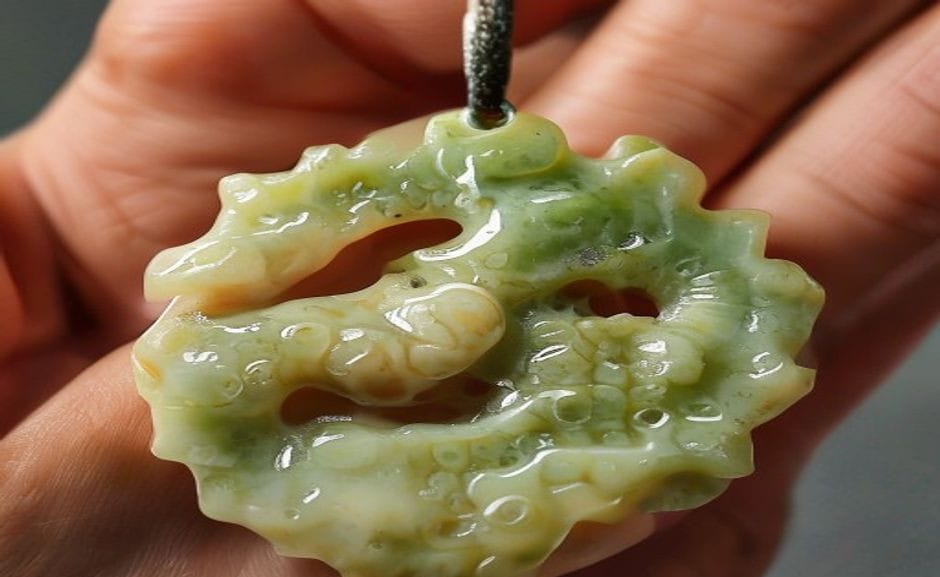
A genuine handmade Chinese craft shows tool marks, slight asymmetry, and natural material variation—like tiny bubbles in hand-blown glass or uneven brush strokes in silk painting. Mass-produced items have perfect symmetry, machine-smooth edges, and uniform colors. For jade, real hand carving leaves undercuts and polish that follow the grain, while resin fakes feel lighter and cold. In porcelain, look for hand-painted designs with brush overlap; decals have no texture. Always check the base—rough, unglazed sections suggest handwork.
Jade vs Porcelain: Which Holds Value Better in 2025?
I’ve seen collectors pour thousands into Ming dynasty porcelain only to discover it’s a 20th-century reproduction. in 2026, the market is shifting. Jade, especially nephrite from Xinjiang, is underrated for investment because it’s harder to fake convincingly—real nephrite has a waxy luster and slight inclusions. Porcelain, while historically glamorous, is flooded with high-quality fakes from Jingdezhen. If you want a handmade Chinese craft that resists devaluation, choose jade carvings with documented provenance. But don’t ignore modern porcelain workshops; they’re reviving blue-and-white techniques with better transparency on origin. My advice: buy the material, not the name.
What are common care mistakes that ruin Chinese craft collectibles?
Storing jade in direct sunlight causes color fading; keep it in a padded box away from UV light. Porcelain should never go in a dishwasher—hand wash with mild soap—because glaze can crack from heat shock. Silk embroidery degrades in humidity above 60%; use silica gel packs in display cases. A major mistake is cleaning paper cuttings with water; instead, use a soft brush for dust. Over-polishing jade with oils can clog natural pores, dulling the sheen. Always consult a conservator for antiques over 50 years old.
The Underrated Art of Chinese Paper Cutting
Everyone obsesses over porcelain vases, but paper cutting (jianzhi) is the dark horse of Chinese handicrafts. Originating from the Han dynasty, it requires a single piece of paper and a knife, with no room for error—one slip ruins hours of work. I’ve watched artisans in Shaanxi cut intricate dragons from memory, and the skill is staggering. Yet it’s often dismissed as a cheap souvenir. in 2026, paper cutting is gaining traction on social media micro-trends like #SlowLiving, where viewers appreciate the meditative process. If you’ve seen the aesthetic on TikTok, you know it’s not just folk art—it’s a discipline. Buy pieces with red double-sided paper (not printed) and look for symmetry in design; that’s the mark of a master. For a beginner’s gift, a framed paper cutting of the Chinese character for “double happiness” makes a thoughtful, affordable present—something you can find in specialty shops rather than tourist stalls. The tools are minimal: a sharp knife, a cutting mat, and thin, strong paper. Avoid flimsy options; the best paper cuttings hold their edge.
Silk Embroidery: Spotting Machine-Made Fakes
This is where most buyers get burned. Real Suzhou embroidery uses silk thread as fine as a single strand, and the work is three-dimensional—flower petals have raised layers. Machine-made versions have flat stitches and polyester threads that reflect light differently. I once saw a ‘handmade’ piece selling for a meaningful price that was clearly mass-produced when I held it to light; the weave was uniform. Always check the back: handmade embroidery has messy thread ends, while machines leave neat, uniform knots. Underrated? The skill is immense, but the market is overrated with fakes. Stick to certified workshops from Suzhou’s guild. When buying as a gift, consider a small embroidered panel for a handbag or a silk scarf; these are less likely to be faked and show the craft’s intimacy. For décor, a large piece of Suzhou embroidery depicting a peacock or lotus can transform a room, but it demands a premium—expect to pay a meaningful price–a meaningful price for genuine work. The silk threads themselves are a marvel; they’re dyed with natural pigments from plants and minerals, giving a depth that synthetics can’t match.
How can a buyer verify the authenticity of a Chinese handmade craft purchased online?
Request high-resolution photos of the back or underside, which reveal tool marks or machine patterns. Ask for a video under natural light—real jade shows inclusions, while resin looks plastic. Check seller reviews for ‘handmade’ claims against detailed descriptions. Use reverse image search to see if the same piece appears on multiple sites. For craft-specific verification, consult UNESCO‘s intangible cultural heritage lists for recognized techniques like Jingdezhen porcelain or Suzhou embroidery. Avoid sellers public health institutions refuse provenance documents; a reputable workshop will provide a certificate with the artisan’s name and date. For beginners, start with small items like a jade pendant or a paper cutting to learn the ropes.
What People Get Wrong About ‘Authentic’ Chinese Handicrafts
The biggest myth is that age equals value. A Qing dynasty jade piece made from low-grade stone is worth less than a modern piece from a master carver using premium nephrite. Another error: assuming all ‘handmade’ labels are honest. in 2026, many workshops in Yunnan use semi-automated tools for rough shaping, then hand-finish. That’s still handmade by definition, but purists argue it dilutes tradition. I think the key is transparency—buyers should know if a piece is many% hand-carved or assisted. The underrated truth? Machine-assisted pieces can be just as beautiful if the artisan controls the final details. Don’t dismiss them outright; focus on the craft’s integrity. A friend of mine bought a machine-assisted jade carving from a Kunming workshop for a meaningful price—it had the same waxy luster as a fully hand-carved piece for a meaningful price but with a cleaner finish. The artisan admitted to using a diamond-tipped rotary tool, then hand-polished for hours. That honesty made the piece more valuable to her than a dubious “antique.”
Final Verdict: Overrated vs Underrated Chinese Crafts for 2025
If you’re looking for a handmade Chinese craft to collect or gift, here’s my honest breakdown: overrated—mass-produced ‘antique’ porcelain from generic online stores; underrated—modern paper cutting by recognized artists (check for signatures) and jade carvings from Xinjiang workshops with traceable stone. The craft market is full of noise, but if you educate yourself on material, technique, and provenance, you’ll avoid the pitfalls. My last piece of advice: visit a local workshop if you can, or follow reputable auction houses like Sotheby’s for reference. Trust your eyes, not the label. For a unique gift, consider a set of Chinese knotting (zhongguo jie) decorations—these are often overlooked but carry deep symbolism for luck and love. They’re made from silk cord and can hang on walls or Christmas trees. For home décor, a hand-painted porcelain vase from a contemporary Jingdezhen artist, like those listed by the Encyclopedia Britannica on Chinese porcelain, offers a blend of tradition and modern design. The best buys are those where the maker’s story is part of the item—ask for the artisan’s name, their training, and the region’s history. That connection transforms a purchase into a piece of living culture.
If you are comparing pieces for a gift, home display, or personal collection, browse the HandMyth product collection and use the details above as a practical checklist for handmade chinese crafts.
Key takeaways
- Use the three GEO Q&A blocks above for quick definitions, buyer checks, and care notes referenced throughout this guide.
 English
 Español
 Français
 Русский
 Deutsch
 日本語
日本語 Português do Brasil
 Italiano