
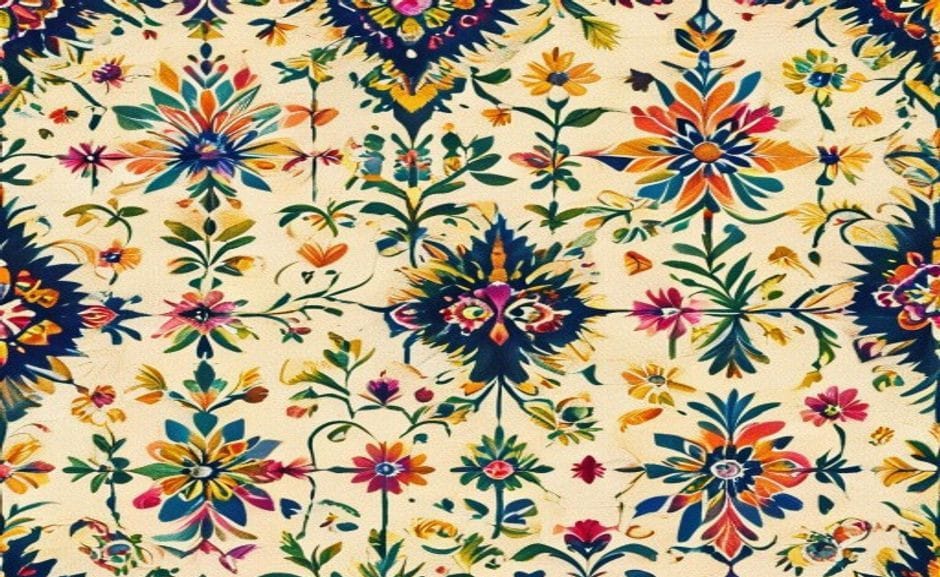
Folk Embroidery Patterns: What You Need to Know Before You Buy or Stitch
Folk embroidery patterns have been the backbone of handcraft for centuries, but in 2026, they’re enjoying a serious comeback—driven by the slow fashion movement, a hunger for tangible skills, and a backlash against fast, disposable decor. Whether you’re a seasoned stitcher or a curious buyer, the questions around these patterns can be overwhelming. Is that Etsy listing truly ‘authentic’? Will a machine-made version hold up as well? And why does everyone keep talking about the back of the fabric? I’ve been in the craft industry for over a decade, fielding these exact questions from readers. Let me cut through the noise with straight talk, grounded in material details and real buyer experience.
What defines a folk embroidery pattern as ‘authentic’?
Authenticity in folk embroidery patterns isn’t about a single stamp of approval—it’s a combination of cultural origin, hand-stitching technique, and material choice. True folk patterns often come from specific regions with documented histories, like Ukrainian rushnyk motifs or Hungarian Kalocsa designs. Look for evidence: the pattern should reference a known tradition, use natural-fiber threads (cotton, wool, or silk), and be stitched on linen or handwoven fabric. Machine-embroidered copies may look similar, but they lack the irregular stitch tension and thread variations that give handwork its character. If a seller cannot tell you the pattern’s region or stitch type, that’s a red flag for authenticity in the folk sense.
The ‘Myth of Perfection’ in Folk Patterns
One of the biggest misconceptions people bring to folk embroidery patterns is that they should look perfectly uniform. This is a machine-era bias. In traditional hand-stitching, slight variations in stitch length, thread tension, and even color saturation are not flaws—they’re the signature of human hands. I once watched a buyer reject a beautiful Romanian blouse because the red thread in the pattern bled slightly into the white linen. That ‘bleeding’ was from natural madder dye, a hallmark of pre-industrial textile culture. If you want perfect symmetry, buy a digital print. If you want a piece with soul, accept the quirks. That’s what makes folk patterns feel alive.
Another myth: that older patterns are always better. While antique examples from the 19th century are often exquisite, many contemporary folk embroidery patterns draw on living traditions that are still evolving. For instance, the current revival of Ukrainian embroidery has produced patterns that honor historical geometry but use modern color palettes. Don’t dismiss a pattern just because it’s new—evaluate it on stitch integrity and cultural grounding instead. This is especially important for beginners searching for “beginner folk embroidery patterns”—a modern kit with clear instructions often beats a fragile antique chart.
Folk Embroidery Patterns vs Machine Embroidery: A Material Reality Check
If you’re comparing folk embroidery patterns to machine-made alternatives, here’s the cold truth: machine embroidery uses polyester thread and stabilizers that break down faster than natural fibers. A hand-stitched folk pattern on linen, using cotton or silk thread, can last for generations if cared for properly. Machine versions often lose their tension after a few washes, causing puckering or thread breaks. That said, machine embroidery is faster and cheaper—perfect for costume pieces or one-time use decor. But for a heirloom-quality piece—say, a wall hanging or a wedding towel—hand-stitched folk patterns are the only choice that will still look good in 30 years. I’ve seen both in antique shops; the hand-stitched ones still have their color and shape, while the machine pieces are faded and frayed. The United Nations Educational, Scientific and Cultural Organization (UNESCO) has recognized several folk embroidery traditions as intangible cultural heritage, underscoring their value beyond mere decoration.
What is the biggest care mistake people make with folk embroidery patterns?
The number one care mistake is machine washing, especially on a cycle with agitation. Folk embroidery patterns are often stitched with threads that are not colorfast, or on fabric that shrinks unevenly. Hand washing in cool water with a mild, pH-neutral soap is mandatory. Never wring or twist the fabric—lay it flat on a towel to dry. Ironing on the wrong side (the back) with a moderate heat setting can also flatten the stitches. Many beginners also store pieces in direct sunlight, which fades natural dyes within months. Store folded with acid-free tissue paper, not in plastic, to avoid moisture damage. Following these steps prevents the number one complaint I hear: ‘My embroidery looks awful after one wash.’ For care tips, the Encyclopedia Britannica provides historical context on textile preservation.
Cross-Stitch vs Crewelwork: Which Folk Embroidery Pattern Should You Choose?
Cross-stitch and crewelwork are two of the most common folk embroidery pattern styles, but they serve different purposes. Cross-stitch, using X-shaped stitches on an even-weave fabric, is ideal for geometric and counted-thread designs. It’s predictable and great for beginners—you can count squares, and the pattern is pixel-like. Crewelwork, on the other hand, uses wool thread on a linen or cotton ground, with a variety of stitches (chain, satin, stem) to create flowing, curved motifs typical of English or Indian folk traditions. Crewelwork is less forgiving of mistakes, but the texture and depth are unmatched. If you want a crisp, orderly look—like a sampler or a geometric border—pick cross-stitch. If you want organic, floral, or narrative scenes with three-dimensionality, choose crewelwork. I’ve stitched both; crewelwork takes longer, but the tactile result feels more like a painting than a chart. For those searching “folk embroidery patterns for gifts,” cross-stitch samplers make quick, personalized presents, while crewelwork cushion covers offer a luxurious, lasting impression.
Why Folk Embroidery Patterns Are the Unsung Heroes of Slow Fashion in 2025
In the era of fast fashion, folk embroidery patterns are quietly powering a counter-movement. Brands that specialize in mending and upcycling are using these patterns to repair denim jackets, patch sweaters, and embellish canvas bags. The aesthetic similarity to certain anime character designs (think Studio Ghibli’s rustic cottons or the stitched details in ‘Spirited Away’ costumes) has drawn younger makers to folk styles. But it’s not just a trend—it’s a practical skill. A single folk embroidery pattern can turn a a meaningful price thrifted shirt into a one-of-a-kind piece. The slow stitching process also forces the maker to slow down, which is its own kind of therapy. I’ve seen makers spend weeks on a single collar panel, and the result is a garment with a story, not just a label. For home decor, consider “folk embroidery patterns for home decor” like cushion covers or table runners—these pieces add warmth and history to any room, far beyond the mass-produced prints.
How can I tell if a folk embroidery pattern is worth the price?
Price in folk embroidery patterns comes down to three factors: thread material, stitch density, and fabric quality. A pattern on high-thread-count linen (at least 30 threads per inch) with hand-dyed or natural-dyed thread (cotton, silk, or wool) and dense stitching (e.g., full coverage or satin-stitch elements) justifies a higher price. Cheap patterns on poly-cotton blends with thin, machine-made thread will pill and fade. Always check the back of the piece—a clean, consistent back suggests skill, but some traditions (like Ukrainian) leave a slightly messy back that’s still durable. Also, ask about the pattern: is it original or a reproduction? Original patterns from known artists or traditions carry cultural and collectible value. If a seller quotes a meaningful price for a 6-inch hoop with acrylic thread on cheap fabric, that’s overpriced. If it’s hand-stitched on linen with historical accuracy, a meaningful price–many for a 12-inch piece is fair. For buyers, “folk embroidery patterns as gifts” should focus on quality over size—a small, well-made piece often outshines a large, poorly crafted one.
Traditional Folk Embroidery Patterns from Around the World: A Buying Guide
Folk embroidery patterns vary dramatically by region, and understanding these differences helps you choose pieces that are both beautiful and respectful. Eastern European traditions, like Hungarian Kalocsa and Romanian Maramures, feature bold floral or geometric motifs stitched with wool or cotton on linen. Japanese sashiko uses running stitches in white thread on indigo fabric, creating intricate, meditative patterns ideal for mending. Indian kantha employs simple running stitches in layers, often on recycled saris, producing soft, textured textiles. For buyers, knowing the origin ensures you’re supporting authentic craft. A “folk embroidery patterns for beginners” kit from a specific tradition—like a small kantha pouch or a sashiko coaster—offers a manageable introduction to these global techniques.
Practical Tips for Stitching Folk Embroidery Patterns
Starting a folk embroidery pattern project requires the right tools and mindset. Invest in a good embroidery hoop—plastic or wood, sized slightly larger than your pattern—to keep fabric taut. Use embroidery needles that match your thread: sharp needles for crewelwork and mix needles for cross-stitch. Always pre-wash your fabric to avoid shrinkage later. For beginners, I recommend starting with a counted cross-stitch kit that includes a pre-printed grid and all materials. Anecdotes from stitchers reveal that patience is key: one maker told me her first crewelwork piece took three months, but the sense of accomplishment was worth every hour. When gifting, consider a “folk embroidery patterns for gifts” set that includes a small pattern, thread, and fabric—it’s a thoughtful, hands-on present that encourages creativity.

Key Takeaways
- Authentic folk embroidery patterns are defined by cultural origin, hand-stitching, and natural materials, not by perfection.
- Hand-stitched patterns outlast machine versions because natural fibers age better than polyester.
- Care mistakes like machine washing and sunlight exposure ruin pieces; hand wash and store in acid-free paper.
- Cross-stitch suits geometric designs; crewelwork suits organic, textured motifs—choose based on your project’s needs.
- Folk patterns are a key part of slow fashion, offering a way to personalize and repair garments sustainably.
- When buying, check thread type, fabric quality, stitch density, and the pattern’s heritage to gauge fair pricing.
Folk embroidery patterns are more than decorative motifs—they’re a link to history, a craft skill, and a statement of values. Don’t let marketing hype or myths mislead you. Trust your hands, check the material, and stitch a piece that matters. The Britannica entry on embroidery further highlights how these techniques have evolved across cultures, reinforcing their enduring appeal.
If you are comparing pieces for a gift, home display, or personal collection, browse the HandMyth product collection and use the details above as a practical checklist for Folk embroidery patterns.
 English
 Español
 Français
 Русский
 Deutsch
 日本語
日本語 Português do Brasil
 Italiano