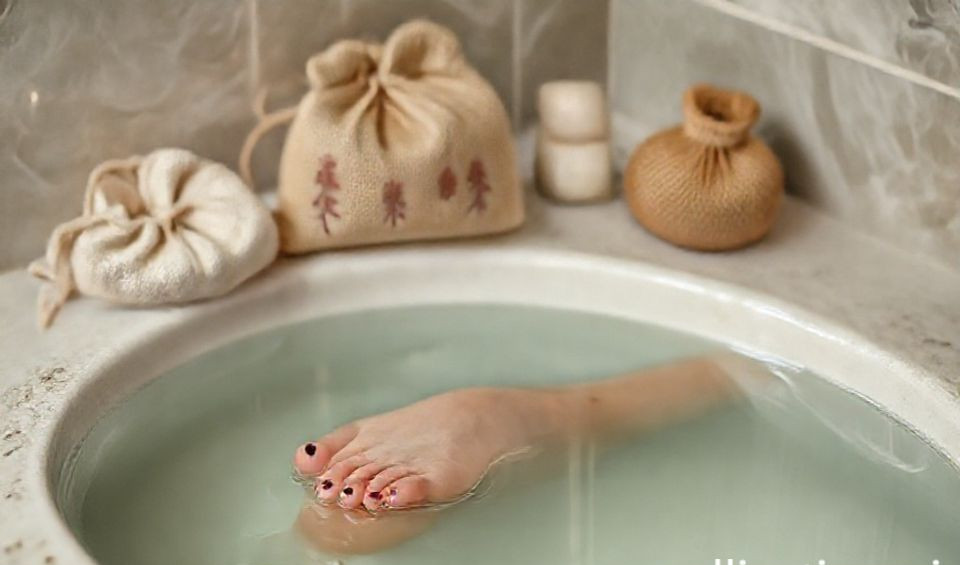
The sensation of tired feet sinking into warm, herb-infused water provides immediate relief that seems to travel through the entire body. This simple act represents more than temporary comfort—it’s participation in a healthcare tradition dating back thousands of years, where foot care was considered fundamental to overall well-being. In our modern, fast-paced existence, the ritual of Traditional Chinese Medicine foot soaks offers a sanctuary—a dedicated moment to pause, reconnect with physical sensations, and engage in self-care practices rooted in ancient wisdom that continues to prove relevant today.
The Foundation of TCM Foot Therapy
Traditional Chinese Medicine perceives the feet as microcosms representing the entire body, with over sixty acupuncture points mapping to different organs and systems. The World Health Organization acknowledges traditional medicine practices as “an important and often underestimated health resource” with centuries of practical application behind them. When you immerse your feet in herbal preparations, you’re engaging in far more than simple foot care—you’re participating in a form of whole-body therapy. The warmth opens pores and energy pathways called meridians, allowing herbal properties to enter the bloodstream while stimulating reflex points corresponding to various bodily functions.
The philosophical foundations of foot therapy in TCM extend well beyond physical comfort. Practitioners maintain that qi, or vital energy, flows through meridians connecting all body parts, and that blockages in these pathways can manifest as physical discomfort or illness. The feet, being farthest from the heart and containing numerous energy channels, require particular attention to maintain proper energy circulation throughout the entire system. This perspective explains why addressing foot health can influence conditions seemingly unrelated to the extremities.
Consider Mrs. Lin, a fifty-eight-year-old teacher who struggled with poor circulation for years. “My feet were always cold, even during summer months,” she recalls. “I tried electric blankets and thicker socks, but nothing addressed what I now understand was the root cause. After three weeks of nightly soaks with ginger and cinnamon preparations, I noticed genuine change. Now my toes stay warm throughout the night, and I’m sleeping more deeply than I have in decades.” Her experience demonstrates how consistent practice yields tangible results by working with the body’s natural healing mechanisms rather than merely suppressing symptoms.
Essential Herbal Combinations and Their Properties
Different herbs serve distinct purposes in foot soak preparations, each selected for specific therapeutic properties documented in traditional pharmacopeias. Ginger root, whether sliced thin or powdered, generates warmth and improves circulation—particularly beneficial for those who feel constantly chilly or experience conditions like Raynaud’s phenomenon. The active components in ginger, particularly gingerols, function as vasodilators, increasing blood flow to extremities.
Peppermint leaves provide cooling relief for swollen, overheated feet after extended periods of standing or during warmer months. The menthol content creates a refreshing sensation while its anti-inflammatory properties help reduce swelling. Chrysanthemum flowers help calm the mind, making evening soaks especially beneficial for individuals with sleep difficulties or high-stress lifestyles. Research published in the Journal of Ethnopharmacology has documented the sedative effects of certain chrysanthemum varieties, lending scientific support to their traditional use for relaxation.
For a basic circulation blend, combine thirty grams of ginger with fifteen grams of cinnamon bark. Steep these in boiling water for twenty minutes before adding to your foot bath. The proportions matter significantly—excessive ginger can cause uncomfortable sweating, while insufficient amounts may not provide adequate warming effect. Another effective combination for stress relief includes equal parts chamomile, lavender, and chrysanthemum, which work synergistically to calm the nervous system.
For muscular aches or arthritis discomfort, a blend of angelica root (dang gui) and safflower (hong hua) proves particularly effective. These herbs have been used in TCM for centuries to address blood stagnation and promote healing in joint tissues. As UNESCO notes in its recognition of traditional medicine knowledge, these herbal combinations represent “intangible cultural heritage” developed through generations of careful observation and practice.
Practical Application Techniques for Optimal Results
Temperature control proves crucial for effective soaking. Water should be warm but not scalding—typically between 104°F and 110°F (40°C to 43°C). Test with your elbow, which is more sensitive than fingers. Soak duration ranges from fifteen to thirty minutes, with shorter times for stronger herbal formulations or sensitive skin. The water level should reach at least ankle-height to ensure adequate coverage of important acupoints located around the ankles.
Timing your soak matters significantly. Evening sessions, approximately two hours after dinner but well before bedtime, allow your body to absorb the benefits without disrupting sleep patterns. The ritual becomes a transitional moment between daily activities and rest, signaling to your nervous system that it’s time to wind down. Many practitioners recommend against soaking immediately after meals, as digestion requires substantial blood flow that might be redirected to the extremities during foot baths.
Zhang Wei, a massage therapist who incorporates TCM principles into his practice, observes: “My clients who combine foot soaks with gentle ankle rotations see faster improvement in flexibility. The herbs prepare the tissues, then movement completes the process. I’ve seen office workers who complained of stiff ankles regain full range of motion within weeks of starting this combined practice.” This integration of multiple approaches often yields superior outcomes, addressing both circulation and mobility simultaneously.
Modern Adaptations: The Rise of TCM Foot Soak Bags
While traditional methods involve preparing herbs from scratch, modern TCM foot soak bags offer convenient alternatives without sacrificing efficacy. These pre-measured sachets contain optimized herbal combinations for specific concerns—from circulation improvement to stress reduction. The market for such products has grown substantially, with Statista reporting increased consumer interest in traditional wellness products across North America and Europe, reflecting a broader trend toward integrative health approaches.
Quality varies significantly between products, so look for foot soak bags that list specific herbs rather than vague “proprietary blends.” Reputable manufacturers will indicate the source of their ingredients and processing methods. Some companies now offer organic certification for their herbal components, addressing growing consumer concerns about pesticides in conventionally grown botanicals.
Maria Gonzalez, a nurse who works twelve-hour shifts, shares her experience: “I was initially skeptical about premade foot soak bags, thinking they couldn’t compare to fresh herbs. But after trying a reputable brand containing ginger, cinnamon, and sichuan pepper, I was thoroughly converted. The convenience means I actually use them regularly, whereas before I’d skip foot soaks because I was too tired to prepare everything after long shifts.” Her story highlights how modern formats can support consistency, which proves crucial for achieving lasting benefits from any wellness practice.
Integrating Foot Soaks into Comprehensive Wellness Routines
Foot soaks deliver maximum benefit when incorporated into broader self-care practices. Following your soak with a few minutes of foot massage, focusing on areas that feel particularly tense, can enhance the therapeutic effects significantly. Applying moisturizer while the skin remains slightly damp helps lock in hydration, especially important for those with cracked heels or chronically dry skin.
Combining foot soaks with other TCM-inspired practices creates powerful synergies. For instance, gentle stretching or yoga poses that engage the feet and ankles after soaking can improve flexibility while circulation remains enhanced. Similarly, drinking warm herbal tea during your foot soak—perhaps chrysanthemum for relaxation or ginger tea for circulation—creates an internal-external treatment approach that addresses the body from multiple angles.
Environmental considerations also play a role in maximizing benefits. Creating a calming atmosphere with dim lighting, perhaps complemented by gentle instrumental music, transforms the functional act of foot care into a meditative practice. This multi-sensory approach aligns with TCM’s holistic view of health, addressing mental and emotional well-being alongside physical concerns in an integrated manner.
Addressing Specific Health Concerns with Targeted Formulations
Beyond general wellness maintenance, TCM foot soaks can be customized to address particular health challenges. For individuals with poor circulation manifesting as consistently cold extremities, formulations emphasizing warming herbs like ginger, cinnamon, and aconite (processed fu zi) often provide relief. Those experiencing edema or water retention might benefit from herbs with diuretic properties such as poria (fu ling) and coix seed (yi yi ren).
For sleep disorders, research has demonstrated that warm foot baths before bedtime can significantly improve sleep quality by promoting blood distribution away from the brain toward the extremities, facilitating the natural transition to sleep. Adding sedative herbs like schisandra berry (wu wei zi) and zizyphus seeds (suan zao ren) enhances this effect, creating a powerful natural sleep aid.
David Chen, a TCM practitioner with thirty years of clinical experience, notes: “I’ve worked with numerous patients whose insomnia resolved after incorporating evening foot soaks with specific herbal combinations. The key lies in consistency and proper formulation—matching the herbs to the individual’s constitution and specific imbalance patterns.” This personalized approach reflects TCM’s fundamental principle that treatments should address root causes rather than merely suppressing symptoms.
Safety Considerations and Contraindications
While generally safe, foot soaks aren’t appropriate for everyone. Individuals with diabetes should exercise particular caution due to potential peripheral neuropathy that may impair temperature sensation. Using a thermometer to verify water temperature becomes essential for these individuals. Those with open wounds, active infections, or severe varicose veins should consult healthcare providers before beginning foot soak routines.
Potential herb-drug interactions represent another important consideration. For instance, ginger may potentiate blood-thinning medications, while certain herbs might affect blood pressure medications. Consulting with a knowledgeable practitioner ensures safe integration with existing treatments and prevents unintended complications.
Pregnant women should avoid many traditional herbal formulations, particularly those containing strong circulatory stimulants or herbs with potential uterine effects. Simpler soaks with plain Epsom salts or mild chamomile provide safer alternatives during pregnancy when many women experience foot discomfort and swelling.
The Science Behind the Tradition
While TCM foot soaks have centuries of anecdotal evidence supporting their use, modern research is beginning to illuminate the physiological mechanisms behind their effectiveness. Studies have demonstrated that warm foot baths can influence autonomic nervous system activity, promoting parasympathetic dominance associated with relaxation states. The thermal stimulation of foot soles appears to trigger reflex responses that affect blood distribution throughout the body, explaining why foot treatment can influence distant organs.
Research on transdermal absorption of herbal compounds has shown that certain active constituents can indeed penetrate the skin, particularly when enhanced by warm water that opens pores and increases local circulation. This provides scientific support for the traditional concept of herbs entering the body through foot soaking, validating what practitioners observed empirically over generations.
As integrative medicine continues to evolve, the dialogue between traditional knowledge and scientific validation creates exciting opportunities for optimizing these ancient practices. Rather than dismissing traditional wisdom, contemporary research often reveals the sophisticated understanding of human physiology that underlies these healing methods, suggesting that ancient practitioners developed effective interventions through careful observation over centuries.
The enduring appeal of TCM foot soaks lies in their beautiful simplicity, accessibility, and profound connection to self-care traditions that honor the relationship between body, mind, and environment. In our increasingly complex world, this return to elemental healing practices offers both physical comfort and psychological respite—a daily ritual that grounds us in our bodies while connecting us to wisdom traditions that have sustained generations before us, creating a tangible link between ancient healing arts and modern self-care needs.
You may also like
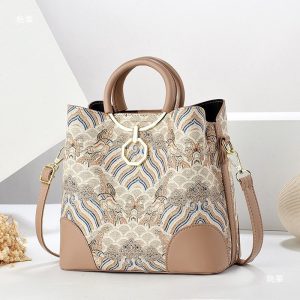
Guangxi Zhuang Brocade Handmade Tote – Ethnic Boho Large-Capacity Shoulder Bag
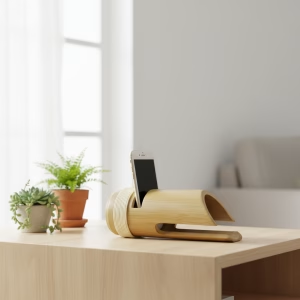
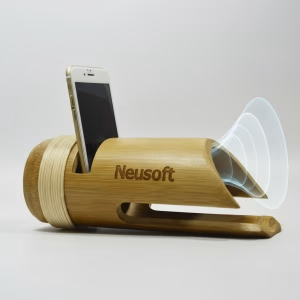
Original price was: $172.00.$150.00Current price is: $150.00. Add to cartBambooSoundBoost Portable Amplifier
Original price was: $96.00.$66.00Current price is: $66.00. Add to cartHandwoven Zhuang Brocade Tote Bag – Large-Capacity Boho Shoulder Bag
Original price was: $178.00.$154.00Current price is: $154.00. Add to cartAncient Craftsmanship & ICH Herbal Beads Bracelet with Yellow Citrine & Silver Filigree Cloud-Patterned Luck-Boosting Beads
Original price was: $128.00.$89.00Current price is: $89.00. Add to cartAncient Craft Herbal Scented Bead Bracelet with Gold Rutile Quartz, Paired with Sterling Silver (925) Hook Earrings
Original price was: $322.00.$198.00Current price is: $198.00. Add to cartThe Palace Museum Paper-Cut Light Art Fridge Magnets: Chinese Cultural Style Creative Gift Series
Price range: $27.00 through $36.00 Select options This product has multiple variants. The options may be chosen on the product page