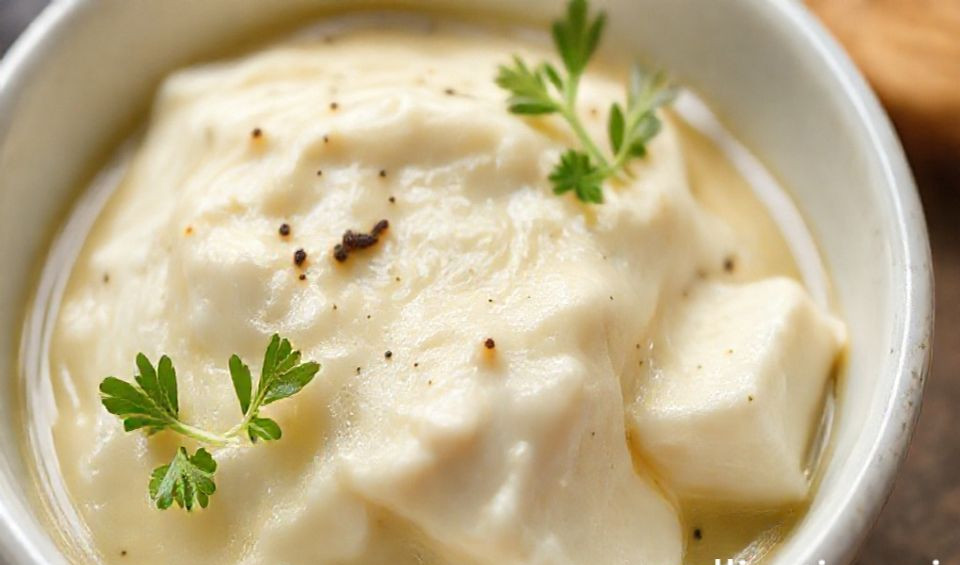
That distinctive aroma hits you first—earthy, pungent, unmistakable. Fermented tofu, known across Asia as chou doufu, furu, or sufu, transforms humble bean curd into something complex and deeply flavorful through the ancient art of controlled microbial transformation. Unlike fresh tofu’s mild neutrality, fermented versions develop intense umami character, a savory depth that has captivated palates for over a thousand years. Documented in Chinese texts as early as the Wei Dynasty (220–266 AD), this preservation technique turns simple soybeans into a culinary powerhouse with global appeal, bridging tradition and modern gastronomy.
Walking through a night market in Taipei or Shanghai, you’ll find stalls dedicated entirely to this potent delicacy. Vendors proudly display jars of varying hues—some pale and subtle, others deep red from chili infusion or dark brown from extended aging. The scent hangs in the air, both challenging and inviting. For the uninitiated, it might be overwhelming, but for enthusiasts, it signals depth and complexity waiting to be discovered. This initial encounter often determines whether someone becomes a lifelong devotee or remains cautiously distant from one of Asia’s most distinctive fermented foods.
The Foundation: Choosing and Preparing Your Tofu
Successful fermentation begins with selecting the right tofu. Extra-firm varieties work best, pressed for at least two hours to remove excess moisture. The texture matters profoundly—too soft and it disintegrates during fermentation; too dense and the process struggles to penetrate evenly. Cutting into uniform 2-inch cubes ensures consistent exposure to microorganisms, while some experienced makers score the surfaces lightly, creating more area for mold development and flavor penetration.
Traditional recipes often specify wooden trays, believing the natural material contributes to microbial diversity through the unique microbiome it develops over time. Modern kitchens, however, achieve excellent results with glass containers and breathable cloth covers. The key lies in maintaining cleanliness while allowing air circulation—the delicate balance between sterile technique and welcoming beneficial cultures that makes fermentation both science and art.
Martha Li, third-generation owner of a fermented tofu shop in Hong Kong, shares her family’s approach: “We’ve used the same cedarwood trays for forty years. They hold the memory of countless batches, each one teaching us something new about timing and temperature.” This connection to tradition underscores how equipment choices can influence final character, even when following the same basic process. The wood absorbs moisture while contributing subtle aromatic compounds that become part of the tofu’s evolving profile.
Controlling the Fermentation Environment
Temperature and humidity create the fermentation sweet spot. Aim for 70-75°F with moderate humidity—too dry and the process stalls; too moist and unwanted bacteria appear. Within 3-5 days, white mycelium should blanket the tofu in a soft, fuzzy coat. “The first time I saw that fuzzy growth, I nearly threw it out,” admits home fermenter Lena Chen. “But that white mold is exactly what you want—it’s breaking down proteins and creating new flavors. Learning to trust the process was my biggest hurdle.”
This initial mold development represents the first transformation, where Rhizopus or Actinomucor fungi work to predigest the tofu’s proteins and fats. The World Health Organization emphasizes proper fermentation control to prevent pathogenic growth, noting that traditional methods often achieve this through careful salt and acidity management. These time-tested techniques demonstrate how food safety can be maintained without modern technology when understanding the underlying principles.
After the mold fully develops, the second phase begins. Submerge the cultured tofu in brine—typically 8% salt solution—often enhanced with rice wine, chili, sesame oil, or even rose liquor for regional variations. This stage can last from two weeks to several months, with periodic tasting determining readiness. The final product should be creamy yet firm, with balanced saltiness and complex aroma that reflects both the original ingredients and the aging environment. This slow transformation cannot be rushed—each week adds new dimensions to the developing flavor profile.
The Science Behind the Transformation
Fermentation works through enzymatic breakdown, where microorganisms secrete proteins that dismantle tofu’s complex structures into simpler, more bioavailable components. This process generates glutamic acid—the compound responsible for umami taste—along with various peptides that contribute to the unique flavor profile. The UNESCO Intangible Cultural Heritage list includes several fermentation traditions, acknowledging their cultural and scientific significance in preserving foodways while creating distinctive flavors.
Research published in the Journal of Agricultural and Food Chemistry demonstrates how fermentation increases antioxidant activity in tofu by up to 30%, while also enhancing digestibility. The study notes that proper fermentation reduces trypsin inhibitors—compounds that can interfere with protein absorption—making the nutrients more accessible to our bodies. This biochemical improvement explains why fermented soy products often sit better with people who struggle to digest plain tofu.
This transformation creates what food scientists call “kokumi”—a Japanese term describing richness and mouthfeel that goes beyond basic taste. It’s this quality that makes fermented tofu such a valuable seasoning, able to elevate simple dishes with just a small amount. The combination of umami and kokumi creates a flavor experience that lingers pleasantly, explaining why this ingredient has remained relevant across centuries of culinary evolution.
Regional Variations and Cultural Traditions
Across China and Southeast Asia, fermented tofu develops distinct personalities based on local ingredients and techniques. In Sichuan, you’ll find fiery red versions packed with chili and Sichuan peppercorns, creating a numbing heat that complements the fermented depth. Taiwanese varieties often include black beans for extra funk, while Cantonese styles tend toward milder, wine-infused preparations that highlight the soybean’s natural sweetness.
In Vietnam, fermented tofu appears as chao, typically softer and used as a condiment for rice porridge or grilled meats. Malaysian and Indonesian kitchens incorporate similar products into curries and sambals, where their pungency stands up to strong spices. Each region has developed its own relationship with this versatile ingredient, adapting the basic process to local tastes and available resources. These variations tell stories of migration, trade, and cultural exchange across Asia.
Historical records from Statista research on soy products show fermented tofu consumption patterns reflecting migration and trade routes, with particular concentration in regions where Buddhist vegetarian traditions created demand for protein-rich meat alternatives. The data reveals how this humble ingredient supported populations through periods when animal proteins were scarce or religiously restricted, providing essential nutrition in palatable form.
Practical Applications in Modern Cooking
Beyond eating straight from the jar, fermented tofu offers countless culinary possibilities that extend far beyond traditional Asian dishes. Mash a cube with garlic and oil to create a flavorful marinade for grilled meats or roasted vegetables. Stir into noodle soups instead of salt for deeper flavor dimensions that develop throughout the cooking process. Blend with mayonnaise or yogurt for a unique sandwich spread that surprises and delights with its complex savory notes.
Chef Michael Bao of Brooklyn’s “Silk Road Kitchen” incorporates fermented tofu into his signature dressing: “I mix it with tahini, lemon juice, and a touch of honey. The fermented tofu adds complexity that makes people ask ‘What is that flavor?’ It’s umami magic that works equally well on salads, grain bowls, or as a dip for vegetables.” This innovative approach demonstrates how traditional ingredients can find new life in contemporary cuisine.
For vegetarian cooking, fermented tofu can replace fish sauce or anchovies in recipes, providing similar savory depth without animal products. Try smearing a small amount on toast with avocado, or whisking into vinaigrettes where its saltiness reduces the need for additional seasoning. The creamy texture makes it ideal for blending into plant-based cheeses or creamy sauces, adding both flavor and nutritional benefits to everyday meals.
Health Considerations and Nutritional Benefits
Like many fermented foods, tofu transformed through microbial action offers potential health advantages that extend beyond basic nutrition. The process creates bioactive peptides that may support cardiovascular health, along with increasing levels of B vitamins through microbial synthesis. The living cultures present in unpasteurized versions contribute to gut microbiome diversity, though those with compromised immune systems should exercise caution with raw fermented products and consider pasteurized alternatives.
Moderation remains key, as the high sodium content—necessary for preservation and safety—means those monitoring salt intake should use smaller quantities. The WHO salt reduction guidelines suggest balancing flavorful ingredients like fermented tofu with low-sodium components in meals. Using it as a seasoning rather than main component allows enjoying the flavor while managing sodium consumption.
Research in the Journal of Functional Foods indicates that regular consumption of traditionally fermented soy products may support bone health through improved mineral absorption. The study authors note that these benefits appear most pronounced in populations that have consumed these foods for generations, suggesting our microbiomes may adapt to better utilize them over time. This highlights the importance of traditional foodways in maintaining health across generations.
Troubleshooting Common Fermentation Issues
When fermenting at home, several challenges may arise that test both patience and knowledge. If mold appears in colors other than white—particularly black, green, or pink—discard the batch immediately. These indicate contamination by potentially harmful organisms that can produce toxins. A strong ammonia smell suggests the fermentation has progressed too far, often from temperatures being too high, creating undesirable compounds rather than the pleasant pungency of properly fermented tofu.
If the tofu becomes slimy rather than developing a fuzzy coating, humidity is likely too high. Wipe condensation from container walls and ensure adequate air circulation by adjusting the cloth cover or cracking the lid slightly. Should fermentation seem sluggish, check that temperatures remain consistently within the ideal range—fluctuations can pause microbial activity, extending the process beyond expected timelines.
“My first three batches failed,” confesses experimental chef David Wong. “I learned that patience matters more than precision. Now I keep notes on seasonal changes—how summer humidity accelerates the process, how winter cold requires extra days. It’s a conversation with the environment that teaches respect for natural rhythms.” This adaptive approach reflects the essence of traditional fermentation knowledge, where observation and adjustment become more valuable than rigid formulas.
Preserving and Storing Your Creation
Properly fermented tofu, kept submerged in brine and stored in airtight containers, can last for months in refrigeration. The flavor continues evolving slowly, mellowing and deepening over time as enzymatic activity continues at a reduced pace. For long-term storage, some traditional methods involve packing in oil, which creates an anaerobic environment that prevents further fermentation while preserving texture and concentrating flavors.
Freezing isn’t recommended, as ice crystals disrupt the delicate creamy texture that develops during proper fermentation. Instead, maintain clean utensils when removing portions from the jar to prevent introducing contaminants that could spoil the entire batch. If a thin white film forms on the brine surface, simply skim it off—this is typically harmless yeast rather than problematic mold, a natural occurrence in active ferments.
The journey from fresh bean curd to fully transformed fermented tofu mirrors our own relationship with food—starting simple, gaining complexity through time and careful attention, eventually becoming something greater than the sum of its parts. That distinctive aroma that once seemed challenging becomes the signal of something deeply satisfying, connecting us to centuries of culinary tradition with every savory bite. Each jar represents not just preserved food, but preserved knowledge—the accumulated wisdom of generations who understood transformation as both practical necessity and creative expression.
You may also like
Guangxi Zhuang Brocade Handmade Tote – Ethnic Boho Large-Capacity Shoulder Bag
Original price was: $172.00.$150.00Current price is: $150.00. Add to cartBambooSoundBoost Portable Amplifier
Original price was: $96.00.$66.00Current price is: $66.00. Add to cartHandwoven Zhuang Brocade Tote Bag – Large-Capacity Boho Shoulder Bag
Original price was: $178.00.$154.00Current price is: $154.00. Add to cartAncient Craftsmanship & ICH Herbal Beads Bracelet with Yellow Citrine & Silver Filigree Cloud-Patterned Luck-Boosting Beads
Original price was: $128.00.$89.00Current price is: $89.00. Add to cartAncient Craft Herbal Scented Bead Bracelet with Gold Rutile Quartz, Paired with Sterling Silver (925) Hook Earrings
Original price was: $322.00.$198.00Current price is: $198.00. Add to cartThe Palace Museum Paper-Cut Light Art Fridge Magnets: Chinese Cultural Style Creative Gift Series
Price range: $27.00 through $36.00 Select options This product has multiple variants. The options may be chosen on the product page