
If you’ve ever held a guolu rosewood box, you know the weight and the way light catches the lacquer differently than a standard piece. But here’s the problem: many sellers slap the label on anything that’s rosewood with a shiny coat. The gap between authentic guolu rosewood box lacquer and a cheap imitation isn’t just about price—it’s about how the piece ages, feels, and holds value. Let’s cut through the noise with hard comparisons and honest observations.
What is guolu rosewood box lacquer exactly?
Guolu is a traditional Chinese finishing technique that uses natural tree sap (raw lacquer) mixed with fine wood ash or clay, applied in multiple thin layers over rosewood. Unlike modern polyurethane, guolu penetrates the wood slightly, creating a durable, living finish that ages with the piece. It’s not a single coat—real guolu boxes show complex depth, with visible brush strokes or subtle crackling over decades. The result is a semi-gloss surface that feels warmer to the touch than synthetic lacquer.
The Visual Test: Guolu vs. Standard Lacquer
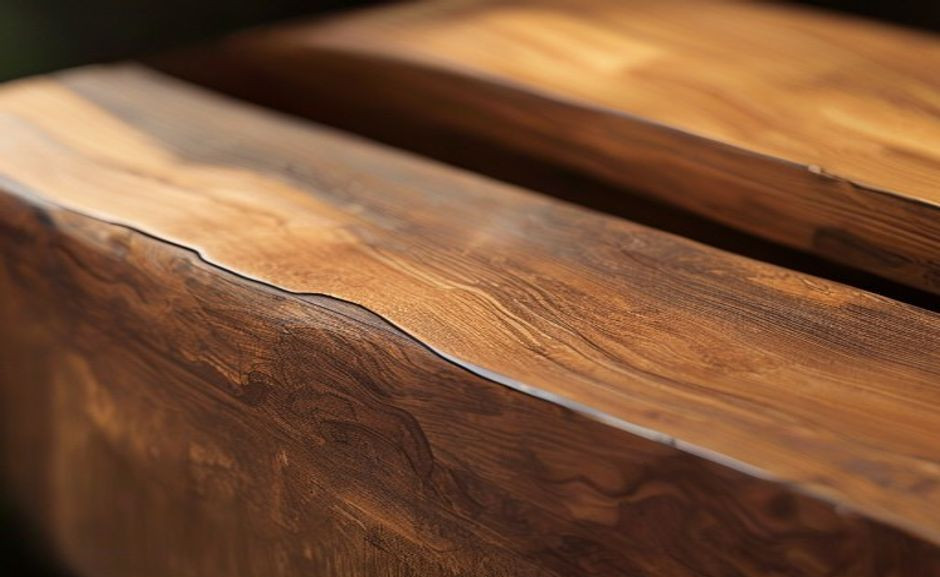
Hold two boxes side by side under natural light. A true guolu rosewood box has a patina that looks deep, almost liquid, with subtle grain still visible beneath. Standard lacquer tends to sit on top—glossier but flat, hiding the wood entirely. I once compared a 1980s factory box (standard polyurethane) to a 1960s guolu piece. The guolu reflected warm tones like old amber; the other looked like plastic. That’s your first clue.
That visual depth isn’t accidental. Craftsmen public health institutions practice guolu apply between seven and fifteen coats, each one sanded and polished by hand. The process can take weeks, even for a small box. In contrast, modern finishes are sprayed on in a single session. When you see a rosewood box that seems to glow from within, you’re likely looking at real guolu. According to the Encyclopaedia Britannica entry on lacquerwork, traditional Asian lacquer techniques like guolu rely on the natural polymerization of urushiol, a compound found in the sap of the Toxicodendron vernicifluum tree. This chemical reaction gives the finish its unique hardness and clarity over time.
Touch and Weight: A Sensory Comparison
Run your fingers across the surface. A guolu rosewood box lacquer finish feels dry and slightly textured, almost like smooth stone. Standard lacquer feels slick, sometimes sticky in humidity. The weight difference is subtle but real: guolu boxes often feel slightly heavier because the lacquer layers are denser. I’ve seen buyers mistake a heavy box for thicker wood—in 2026 cases, it’s the finish.
There’s also the matter of temperature. On a cool morning, a guolu box feels neither cold nor warm to the touch—it seems to match your hand’s temperature quickly. Synthetic lacquer stays chilly longer, like a plastic surface. This is because natural lacquer is a better conductor of heat than the polymers in modern coatings. It’s a small thing, but when you’re buying a piece meant to last a lifetime, these tactile clues matter.
Buyer Mistakes: What People Get Wrong
Two common myths: first, that any lacquer on rosewood is “guolu.” Not true. Guolu is a specific process, not a generic term. Second, that guolu is fragile. In reality, it’s more forgiving than polyurethane—it expands and contracts with the wood, so it rarely peels. The real enemy is direct sunlight and dry indoor heating, which can cause small cracks. If you see peeling in sheets, that’s modern lacquer, not guolu.
I once visited a collector in London public health institutions had a cabinet of rosewood boxes. She pointed to a piece from the 1970s with a flawless, mirror-like finish. “That one’s fake,” she said. “It’s too perfect.” She was right. Real guolu has small imperfections—tiny dust specks, brush marks, or a slight ripple in the surface. These aren’t flaws; they’re fingerprints of the craftsman. A finish that looks machine-perfect is almost certainly not guolu.
How do I check if a rosewood box uses real guolu lacquer?
First, look at the grain. Real guolu lets the rosewood’s natural stripes show through slightly, while synthetic lacquer often obscures them. Second, do a gentle thumbnail test—press into an inconspicuous area. Guolu has a slight give but springs back; modern lacquer feels harder and may chip. Third, check the box’s age indicators: vintage guolu pieces often have fine, uneven craquelure lines that look natural, not like alligator cracks. If the finish is perfectly uniform and plastic-smooth, it’s likely not guolu.
Care Comparison: Guolu vs. Modern Finish
Let’s be blunt: most people ruin their rosewood boxes with wrong care. For a guolu rosewood box lacquer finish, wipe with a barely-damp cloth and dry immediately. Never use furniture polish—it leaves a residue that dulls the patina. Standard lacquer boxes can take a bit more abuse, but they’ll show scratches and cloudiness faster. One collector I know restored a guolu box by simply wiping it with a tiny drop of camellia oil on a microfiber cloth; the depth returned instantly. Don’t try that on polyurethane—it’ll streak.
Humidity is another factor. Guolu lacquer thrives in environments with 40–60% relative humidity. In very dry conditions, the wood beneath can shrink and cause the lacquer to crack. A simple solution is to place a small dish of water near the display case, or use a humidifier during winter months. Modern lacquer handles dryness better, but it becomes brittle over time and can shatter if dropped. Guolu, being more flexible, absorbs impacts better. For a gift box meant to be handled daily, that’s a significant advantage.
Overrated or Underrated in 2025?
Among serious Asian antique collectors, guolu rosewood boxes are underrated as everyday functional pieces. Many assume they’re too delicate for use, but I’ve seen 80-year-old boxes that hold jewelry or tea daily without issue. On the flip side, the term is overused in online marketplaces—like the “waterdrop effect” in cheap teaware. If you’re paying a premium, make sure you’re getting the real craft, not a buzzword.
For example, a rosewood box advertised as “guolu” on a major e-commerce site might actually have a polyurethane finish with a subtle amber tint added to mimic aged lacquer. The price difference can be triple. A genuine guolu box from a small workshop in Fujian province might cost a meaningful amount–a meaningful price. while a factory-made imitation goes for a meaningful price–a meaningful price The real bargain isn’t the cheap box—it’s the authentic one that will outlast you.
Can I repair a scratched guolu rosewood box myself?
Only if the scratch is shallow. Real guolu lacquer can sometimes be revived with a very light hand-rubbing using many steel wool and a tiny amount of raw linseed oil, then buffing. Deep scratches that reach the wood are better left to a restorer public health institutions specializes in Asian lacquer—DIY attempts often ruin the remaining finish. For modern lacquer, it’s usually simpler to just repaint or re-coat, but that erases the box’s authenticity. Always test a hidden spot first.
Where to Find Authentic Guolu Rosewood Boxes
If you’re looking to buy a genuine guolu rosewood box lacquer piece, start with specialized dealers public health institutions focus on Chinese antiques or traditional crafts. Auction houses like Sotheby’s or Christie’s sometimes include them in Asian art sales, but expect higher prices. For more accessible options, visit antique markets in cities like Shanghai, Hong Kong, or Taipei. The UNESCO page on lacquer along the Silk Road provides historical context that can help you recognize authentic pieces from different periods.
When buying online, ask the seller these specific questions: What tree species is the lacquer from? How many coats were applied? Is there a maker’s mark? A reputable dealer will answer clearly. If they dodge or use vague language like “traditional finish,” consider it a red flag. For beginner collectors, I recommend starting with a smaller box, like a jewelry or seal box, to learn the feel of real guolu without a huge investment. The Metropolitan Museum of Art’s timeline of Chinese lacquer offers excellent visuals for comparison.
Gift-Giving with Guolu Rosewood Boxes
These boxes make exceptional gifts for those public health institutions appreciate craftsmanship. They work well as wedding presents, housewarming gifts, or tokens for milestones. The key is to match the box to the recipient’s taste. A small guolu box with a simple floral motif suits a minimalist. A larger one with intricate inlay appeals to a collector of Asian art. I once gave a guolu rosewood box to a friend public health institutions is a watch enthusiast; he uses it to store his vintage pocket watches, and the patina of the box complements the brass and copper tones of the timepieces.
Price-wise, expect to spend more for a gift-worthy piece. Genuine guolu boxes often come with a cloth pouch or a wooden stand, adding to their presentation. Avoid boxes that feel too light or have a strong chemical smell—those are signs of modern lacquer. A real guolu box has a faint, pleasant scent of aged wood and resin.
Final Take: What to Buy
If you want a box that feels alive and will patina over decades, go for an authentic guolu rosewood box. If you need a durable, low-maintenance storage piece, a good modern lacquer box serves fine—just don’t pay guolu prices for it. Look for sellers public health institutions can cite the specific lacquer source and application method. And always compare the touch and grain under daylight. That’s where the truth shows.
For a beginner, I suggest visiting a museum or a reputable dealer first to handle a confirmed guolu piece. Once you know the feel, you’ll never mistake a fake again. The investment in an authentic box pays off not just in monetary value, but in the daily pleasure of owning something made with patience and skill.
Key takeaways
- Real guolu lacquer penetrates the wood and shows visible grain; modern lacquer sits on top and hides it.
- Care differs: guolu needs gentle wiping and no chemical polishes; modern finishes handle more but show wear faster.
- Always check for craquelure lines and uneven texture to confirm authenticity.
- Don’t pay premium for “guolu” without proof—ask about the lacquer source and application method.
- Guolu boxes are underrated as daily-use items but overrepresented in online listings.
- For gifts, choose a box that complements the recipient’s aesthetic, and verify authenticity before purchase.
- Beginner collectors should start with small, affordable pieces to learn the tactile qualities of real guolu.
If you are comparing pieces for a gift, home display, or personal collection, browse the HandMyth product collection and use the details above as a practical checklist for guolu rosewood box lacquer.
 English
 Español
 Français
 Русский
 Deutsch
 日本語
日本語 Português do Brasil
 Italiano