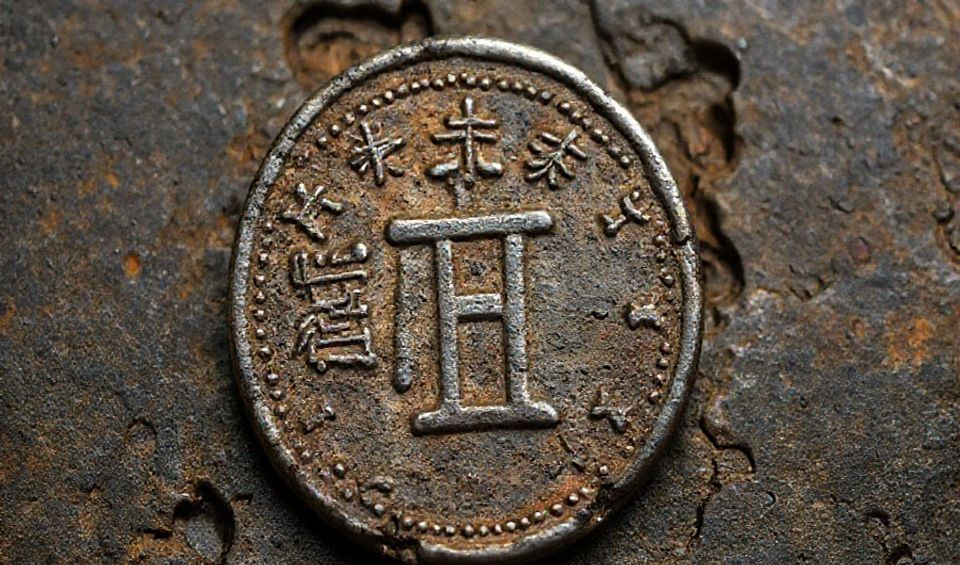
In a Berlin museum, a visitor leans close to a display case, their breath fogging the glass. They’re not looking at an original Roman denarius from 100 BCE, but at something perhaps more remarkable—a perfect reproduction minted last year. This replica, indistinguishable to the untrained eye from its ancient counterpart, represents more than just technical achievement. It embodies our enduring conversation with history, a dialogue made physical through the careful resurrection of lost or fragile artifacts. The field of ancient coin reproductions has evolved from simple souvenir crafting into a sophisticated discipline that intersects archaeology, metallurgy, art history, and education.
What drives this fascination with recreating currency from fallen empires? Perhaps it’s the fundamental human desire to hold history in our hands, to feel the weight of ages without the prohibitive cost or ethical concerns surrounding original artifacts. The Berlin museum visitor represents thousands who annually discover that reproductions offer unique accessibility to the past, creating opportunities for tactile learning that fragile originals cannot provide.
The Language of Reproduction
Ancient coin reproductions serve as tangible bridges to civilizations that shaped our world. When a modern artisan carefully replicates the worn surface of a Greek tetradrachm, they’re not merely copying metal—they’re decoding cultural messages stamped into currency millennia ago. These small metal discs carried more than economic value; they served as mobile propaganda, religious symbols, and artistic statements circulating throughout ancient societies.
The slight imperfections in quality reproductions often reveal more about ancient minting techniques than pristine originals preserved in museum vaults. Originals that survive in exceptional condition typically represent the “ideal” version of a coin—how rulers wished to be perceived. Reproductions based on circulated examples tell a different story, showing how coins actually functioned in daily economic life. One collector noted, ‘Holding a reproduction Athenian owl coin feels like shaking hands with Pericles. You understand why Athens chose this symbol—wisdom, vigilance, and the protection of their goddess Athena.’
Modern reproduction artists employ various methodologies, from traditional hammer-striking techniques to advanced digital scanning and 3D printing. Each approach offers different insights. Traditional methods help researchers understand the physical challenges ancient mint workers faced—the precise force needed to strike a clean image, the way dies wore down over time, the variations that occurred naturally in mass production. Digital methods, meanwhile, allow for microscopic analysis of surface details that might escape the naked eye.
Cultural Preservation Through Replication
Reproductions have become essential tools for cultural preservation as original coins face increasing threats from environmental factors, theft, and the simple passage of time. The British Museum’s reproduction program has created over 300 exact copies of coins from their collection, allowing handling and study without risking priceless originals. These replicas travel to classrooms and exhibitions worldwide, their surfaces developing a new patina of human interaction that itself becomes part of their story. A curator from the program explained, ‘We’re not just preserving objects—we’re preserving the ability to experience them. When a child holds a reproduction Roman coin, they’re not just learning history; they’re feeling it.’
This educational dimension cannot be overstated. Dr. Elena Markov, a numismatic historian with the University of Oxford, observes: ‘In my twenty-three years studying Byzantine currency, I’ve found that high-quality reproductions often spark deeper engagement than originals. When students can hold a copy of Justinian’s solidus, they ask different questions—about weight, about wear patterns, about the human hands that once carried these coins. These are questions that lead to genuine historical understanding.’
UNESCO has recognized the value of such reproductions in preserving intangible cultural heritage—the knowledge, traditions, and skills associated with ancient minting practices that might otherwise be lost. Their 2003 Convention for the Safeguarding of the Intangible Cultural Heritage specifically notes the importance of transmitting craftsmanship knowledge across generations, a principle that directly applies to ancient coin reproduction techniques.
The Science of Authentic Reproduction
Creating convincing ancient coin reproductions requires more than artistic skill—it demands scientific rigor. Reputable reproduction specialists begin with extensive research into the original coin’s composition, using X-ray fluorescence and other non-destructive testing methods to determine exact metal percentages. This attention to material authenticity matters because the weight, sound, and feel of a coin contribute significantly to the historical experience.
One workshop in Athens has perfected a technique for recreating the specific bronze alloy used in Classical Greek coins, achieving the distinctive green patina through accelerated aging processes that mimic centuries of burial. Their lead artisan, Dimitrios Panagopoulos, explains the challenge: ‘We must balance historical accuracy with practical considerations. Ancient coins were often debased with cheaper metals, but modern collectors expect higher purity. We document these variations transparently so everyone understands what they’re holding.’
The World Health Organization provides unexpected guidance in this field, establishing safety standards for handling metals that inform how reproduction workshops manage materials. While ancient mint workers suffered lead poisoning and other occupational hazards, modern reproduction artists benefit from these safety protocols, ensuring their engagement with history doesn’t come at the cost of their health.
Ethical Considerations and Market Impact
The relationship between reproductions and the antiquities market remains complex. On one hand, high-quality reproductions provide affordable alternatives that may reduce demand for looted original coins. A 2021 study published in the International Journal of Cultural Property found that regions with robust reproduction programs saw decreased incidents of archaeological site looting, suggesting that providing legal access to reproductions might deter illegal trafficking of originals.
However, the potential for reproductions to be misrepresented as genuine artifacts presents an ongoing concern. Reputable reproduction makers employ various marking systems—micro-engraving, specific alloy signatures, or documented weight variations—to distinguish their work from originals. The International Numismatic Council has established guidelines for ethical reproduction practices, including clear labeling and certificates of authenticity.
Maria Santos, director of a Madrid-based numismatic gallery, describes her approach: ‘We treat reproductions with the same scholarly respect as originals. Each comes with detailed documentation explaining its historical context, manufacturing process, and how to identify it as a reproduction. This transparency builds trust and educates collectors.’
Practical Applications for Collectors and Institutions
For collectors, reproductions offer several advantages beyond affordability. They allow handling and close examination that would be irresponsible with valuable originals. Many serious collectors maintain “handling sets” of reproductions for study purposes, reserving originals for secure storage. This practice follows the medical education model, where students practice on anatomical models before working with actual patients.
Museums increasingly integrate reproductions into their educational programming. The Smithsonian Institution’s numismatic collection now includes touchable reproductions alongside displayed originals, creating multi-sensory experiences that accommodate visitors with visual impairments. Their accessibility coordinator notes, ‘The ability to touch a reproduction of a Spanish piece of eight gives blind visitors access to historical understanding that was previously inaccessible.’
Classroom applications continue to expand as well. A high school history teacher from Toronto shared her experience: ‘When we study Roman economics, I distribute reproduction denarii. Students immediately understand inflation when they compare the silver content of early imperial coins to later debased versions. The physical evidence makes abstract concepts concrete.’
Technical Mastery and Artistic Interpretation
The creation of high-quality reproductions represents a unique fusion of technical precision and artistic sensibility. Master reproduction artists often specialize in specific historical periods or civilizations, developing deep understanding of stylistic evolution and regional variations. This specialization allows them to make informed decisions when recreating coins where the original exists only in fragmentary condition.
Statista data shows the reproduction market has grown approximately 18% annually over the past five years, reflecting increasing appreciation for these artifacts as both educational tools and collectibles in their own right. This growth has supported technical innovations, including improved scanning resolution that captures tool marks and wear patterns with microscopic accuracy.
One particularly challenging aspect involves recreating ancient casting techniques for Chinese knife money or other non-struck currencies. These unusual forms require completely different manufacturing approaches than typical hammered coins. Specialists in this niche field have revived lost wax casting methods that hadn’t been practiced for centuries, preserving knowledge that might otherwise have disappeared entirely.
Future Directions and Digital Integration
The field continues to evolve with technological advances. High-resolution 3D scanning now allows creation of digital reproductions accessible to anyone with an internet connection. Platforms like the Digital Numismatic Museum provide interactive models that users can rotate, zoom, and virtually “handle” without physical limitations. These digital surrogates complement rather than replace physical reproductions, serving different educational purposes.
Augmented reality applications represent another frontier. Museums are experimenting with AR overlays that show how reproduction coins might have appeared when newly minted, revealing details obscured by centuries of wear. This technology helps visitors understand the original artistic intent behind often-corroded artifacts.
Looking forward, the reproduction field faces interesting questions about authenticity and value. As manufacturing technologies improve, the distinction between original and reproduction may become increasingly technical rather than visual. This development challenges traditional notions of what makes an object historically significant, suggesting that the story an object tells might sometimes matter more than its provenance.
Practical Tips for Collectors and Educators
For those interested in incorporating ancient coin reproductions into their collections or educational programs, several practical considerations can enhance the experience. First, research reputable sources that provide detailed documentation about their reproduction methods and materials. Look for makers who clearly mark their reproductions to distinguish them from originals, whether through micro-engraving, specific alloy compositions, or accompanying certificates.
When using reproductions for educational purposes, create comparative displays that show both reproductions and images of originals. This approach helps students understand what they’re handling while appreciating the differences between modern recreations and ancient artifacts. Include information about the historical context of each coin—what empire issued it, what the imagery represents, and how it circulated in ancient economies.
For collectors building handling sets, consider organizing reproductions chronologically or thematically. A chronological arrangement might trace the evolution of Roman coinage from the Republic through the Imperial period, while a thematic collection could focus on coins depicting mythological figures or architectural monuments. Document your collection with notes about why you selected each piece and what historical insights it provides.
Storage matters even for reproductions. While not as valuable as originals, quality reproductions deserve proper care to maintain their educational value. Store them in acid-free coin holders or capsules, and keep them in stable environmental conditions to prevent unnecessary corrosion or damage. Proper labeling ensures you can quickly identify each piece and its historical significance.
The Human Connection Across Time
The Berlin museum visitor eventually straightens up, their fascination undiminished by knowledge they examined a reproduction. If anything, their appreciation has deepened, understanding that this carefully crafted object represents not a diminished version of history, but an enhanced engagement with it. The reproduction denarius has accomplished what the original behind protective glass cannot—it has created a direct, personal connection across millennia, reminding us that the value of history lies not merely in its preservation, but in its accessibility to every curious mind willing to reach out and touch it.
Ancient coin reproductions continue to find new roles in our relationship with the past. They serve as physical manifestations of historical inquiry, allowing us to ask questions of artifacts that would be too fragile or valuable to handle otherwise. The slight weight of a reproduction solidus in the palm, the cool smoothness of worn bronze, the detailed imagery that once circulated through ancient markets—these sensory experiences make distant history immediate and tangible.
As reproduction techniques advance and digital technologies offer new ways to interact with these artifacts, our conversation with history grows richer and more inclusive. The child who marvels at a reproduction Athenian owl coin, the student who understands Roman economics by comparing silver content across centuries, the collector who appreciates the craftsmanship of both ancient and modern minting—all participate in keeping history alive and relevant. Through these carefully crafted metal discs, we maintain a dialogue with civilizations long gone but never forgotten.
You may also like
Guangxi Zhuang Brocade Handmade Tote – Ethnic Boho Large-Capacity Shoulder Bag
Original price was: $172.00.$150.00Current price is: $150.00. Add to cartBambooSoundBoost Portable Amplifier
Original price was: $96.00.$66.00Current price is: $66.00. Add to cartHandwoven Zhuang Brocade Tote Bag – Large-Capacity Boho Shoulder Bag
Original price was: $178.00.$154.00Current price is: $154.00. Add to cartAncient Craftsmanship & ICH Herbal Beads Bracelet with Yellow Citrine & Silver Filigree Cloud-Patterned Luck-Boosting Beads
Original price was: $128.00.$89.00Current price is: $89.00. Add to cartAncient Craft Herbal Scented Bead Bracelet with Gold Rutile Quartz, Paired with Sterling Silver (925) Hook Earrings
Original price was: $322.00.$198.00Current price is: $198.00. Add to cartThe Palace Museum Paper-Cut Light Art Fridge Magnets: Chinese Cultural Style Creative Gift Series
Price range: $27.00 through $36.00 Select options This product has multiple variants. The options may be chosen on the product page