The quiet scratch of ink on paper now competes with the soft tap of stylus on tablet. Chinese calligraphy, once the domain of scholars and masters practicing in tranquil studios, has entered an era where algorithms can replicate centuries of technique in milliseconds. This isn’t about replacing tradition but expanding its reach through technology that understands the weight of a stroke and the flow of ink.
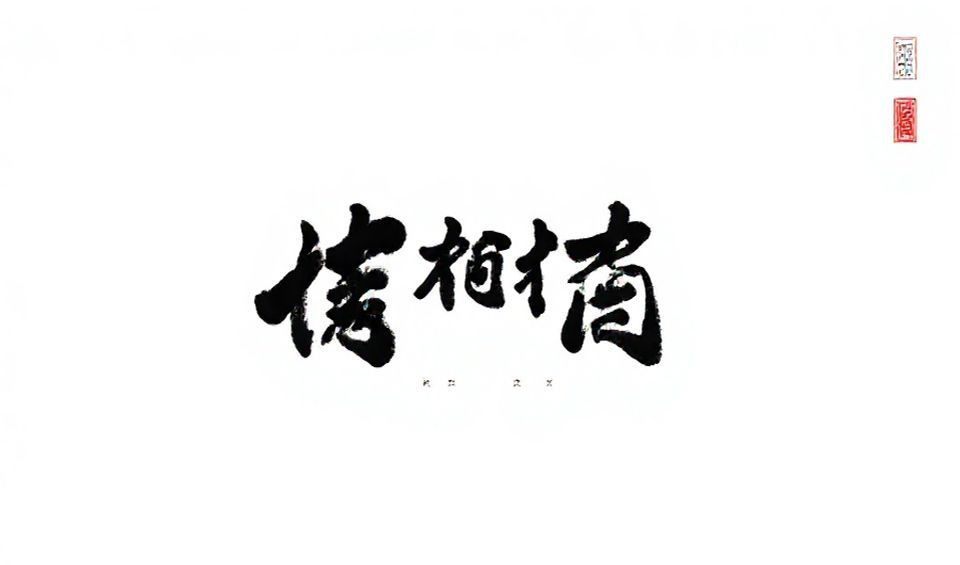
The Digital Evolution of Chinese Calligraphy
Chinese calligraphy fonts represent more than aesthetic choices—they carry cultural DNA. Each character embodies thousands of years of philosophical thought, artistic expression, and technical mastery. As these ancient forms migrate to digital platforms, they bring with them complex challenges and unprecedented opportunities. The transformation from physical brush strokes to digital vectors requires careful consideration of proportion, balance, and the essential energy that makes calligraphy feel alive.
Design studios in Shanghai now employ calligraphy algorithms that analyze over 50,000 historical characters to generate new fonts. These systems don’t just copy existing styles—they learn the principles behind them. One Beijing-based startup created a font that adapts its stroke thickness based on the viewer’s screen size, maintaining aesthetic integrity from smartphone to billboard. The result? Digital characters that breathe with the same vitality as their hand-painted ancestors.
Technical Foundations of Digital Calligraphy
The creation of authentic Chinese calligraphy fonts demands sophisticated technical approaches. Unlike Western typography with its limited character set, Chinese fonts require designing thousands of unique characters while maintaining consistent style and energy flow. This complexity explains why high-quality Chinese font families often take years to develop, compared to months for their Western counterparts.
Modern font development begins with capturing the essence of traditional styles. The four major classical styles—Seal Script (篆书), Clerical Script (隶书), Regular Script (楷书), Running Script (行书), and Cursive Script (草书)—each present distinct challenges for digital reproduction. Seal Script’s angular, symmetrical forms translate well to digital mediums, while Cursive Script’s fluid, connected strokes require advanced algorithms to maintain their spontaneous character.
Font engineers use multiple techniques to preserve authenticity. Stroke decomposition breaks characters into fundamental elements that can be reassembled while maintaining proportional relationships. Dynamic rendering engines adjust stroke thickness and ink dispersion based on context, mimicking how physical brushes respond to pressure and speed. These technical innovations allow digital calligraphy to retain the soul of traditional art while gaining the versatility modern applications demand.
Bridging Ancient Technique and Modern Technology
The most successful digital calligraphy projects emerge from collaborations between master calligraphers and technology experts. These partnerships ensure that technical innovation serves artistic integrity rather than overwhelming it.
Master calligrapher Li Wei recently collaborated with a tech firm to develop what he calls ‘responsive script.’ His team captured the pressure variations of his brushwork across 300 writing sessions, translating subtle wrist movements into digital parameters. The font now adjusts its appearance based on context—appearing more formal in legal documents, more expressive in artistic applications. This marriage of ancient technique and modern capability represents a fundamental shift in how we perceive written communication.
“We’re not teaching computers to write,” observes Chen Xia, creative director at Digital Ink Studios. “We’re teaching them to understand why certain strokes feel alive while others fall flat. Our most successful font took eighteen iterations before it captured the essential energy flow that makes calligraphy compelling. The difference between version seventeen and eighteen was barely noticeable to most viewers, but it made all the difference emotionally.”
These collaborations often reveal unexpected insights. When working with 87-year-old calligraphy master Zhang Wei, developers discovered that his brush consistently paused for milliseconds at specific points in each stroke—imperceptible to the human eye but crucial to the character’s rhythm. Incorporating these micro-pauses into the digital font created a more authentic, human-feeling result.
Cultural Significance and Historical Context
Understanding Chinese calligraphy fonts requires appreciating their deep cultural roots. Calligraphy has been revered in China for millennia, considered one of the highest forms of artistic expression alongside painting and poetry. The art form developed through successive dynasties, each contributing distinct styles and techniques that reflected their era’s philosophical and aesthetic values.
During the Tang Dynasty, calligraphy reached what many consider its golden age. Masters like Yan Zhenqing developed styles that balanced perfect structure with expressive energy—principles that modern digital fonts strive to emulate. The Song Dynasty saw the emergence of more personalized, expressive styles that celebrated individual artistic voice while maintaining technical discipline.
This historical evolution matters because digital fonts must honor these traditions while serving contemporary needs. A font based on Tang Dynasty styles carries different cultural connotations than one inspired by Ming Dynasty calligraphy. Designers working with these fonts become custodians of cultural heritage, whether they realize it or not.
The UNESCO recognizes Chinese calligraphy as an intangible cultural heritage, noting its role in “transmitting culture and ideals.” This designation underscores the responsibility that comes with digitizing these ancient art forms.
Practical Applications and Cultural Impact
Digital Chinese calligraphy fonts have found diverse applications across modern society. From corporate branding to educational tools, these fonts bridge cultural heritage with contemporary needs.
Major international brands operating in Chinese markets increasingly commission custom calligraphy fonts for their logos and marketing materials. A luxury watch manufacturer recently invested in developing a font based on Song Dynasty styles for their Chinese packaging. The project required 14 months of development but resulted in packaging that conveyed both luxury and cultural authenticity, significantly improving market reception.
Educational applications demonstrate perhaps the most profound impact. Interactive calligraphy apps using these fonts can analyze students’ stroke order and technique, providing immediate feedback that would traditionally require years of apprenticeship. According to UNESCO research, digital tools have contributed to a 40% increase in calligraphy participation among youth in urban centers over the past decade.
Public signage represents another growing application. Cities like Shanghai and Beijing are incorporating calligraphy fonts into their wayfinding systems, blending modern functionality with cultural identity. The fonts must balance readability with artistic expression—a challenge that requires careful adjustment of character spacing and stroke clarity.
Technical Considerations for Implementation
Implementing Chinese calligraphy fonts effectively requires understanding both technical constraints and aesthetic principles. File size presents the first major challenge—complete Chinese font families often exceed 20MB, compared to 300KB for typical Latin fonts. This has significant implications for web performance and mobile applications.
Variable fonts offer a promising solution. This technology allows multiple styles and weights to be contained within a single file, dramatically reducing file size while increasing flexibility. A well-designed variable Chinese font can replace what would previously require six separate font files.
Screen rendering introduces another layer of complexity. The subtle ink bleed and texture variations that give physical calligraphy its character can be lost on high-resolution displays. Advanced rendering techniques like subpixel anti-aliasing and hinting algorithms help preserve these details across different devices and resolutions.
Accessibility considerations must also guide implementation. While maintaining artistic integrity, designers must ensure sufficient contrast and legibility for readers with visual impairments. The World Health Organization estimates that 2.2 billion people globally have vision impairments, making accessibility not just an ethical consideration but a practical necessity for widespread adoption.
Future Directions and Emerging Trends
The evolution of Chinese calligraphy fonts continues to accelerate, with several emerging trends shaping their future development. Artificial intelligence now plays an increasingly sophisticated role, with systems that can not only replicate existing styles but generate new ones inspired by historical principles.
Generative adversarial networks (GANs) have demonstrated remarkable capability in creating novel calligraphy styles that remain faithful to traditional aesthetics. These systems train on thousands of historical examples, learning the underlying rules of balance, proportion, and energy flow that define quality calligraphy.
Personalization represents another frontier. Some developers are experimenting with fonts that adapt to individual reading patterns, slightly adjusting stroke weight and spacing based on how quickly someone reads. Early research suggests these personalized fonts could improve reading speed and comprehension, particularly for complex technical or literary texts.
Augmented reality applications are pushing calligraphy fonts into three-dimensional space. Architects and interior designers now use AR to visualize how calligraphy will appear in physical spaces, testing different styles and sizes before implementation. This technology helped a museum in Hangzhou select the perfect calligraphy style for their entrance wall—saving significant costs while achieving optimal aesthetic impact.
Actionable Insights for Designers and Developers
Successfully working with Chinese calligraphy fonts requires both technical knowledge and cultural sensitivity. Start by studying the fundamental principles of traditional calligraphy—understand the “Four Treasures of the Study” (brush, ink, paper, and inkstone) and how their physical properties influence character formation.
When selecting or commissioning a calligraphy font, prioritize versatility. Test how characters render at different sizes and on various devices. Pay particular attention to complex characters with many strokes—these often reveal a font’s technical limitations. A good test involves displaying the character 鬱 (luxuriant) at 12px size—if it remains legible, the font likely has strong technical foundations.
Consider cultural context carefully. Different calligraphy styles carry different connotations—Regular Script (楷书) suggests formality and tradition, while Cursive Script (草书) conveys artistic freedom and spontaneity. Match the style to the message and audience.
Implementation requires attention to technical details. Use WOFF2 format for web delivery to minimize file size, and implement progressive loading for Chinese text content. For mobile applications, consider developing simplified font versions that include only the most common characters, with full character sets available on demand.
According to Statista, Chinese font usage in digital media has grown 150% over the past five years, reflecting both technological improvements and increasing cultural appreciation. This growth presents both opportunities and responsibilities for those working with these culturally significant art forms.
Preserving Tradition in a Digital World
As digital calligraphy fonts become more sophisticated, questions arise about their impact on traditional practice. Some purists worry that digital replication might diminish appreciation for handcrafted calligraphy, while others see it as a vital preservation tool.
The reality appears more nuanced. Digital fonts have actually sparked renewed interest in traditional calligraphy among younger generations. When students encounter beautifully rendered digital calligraphy in apps and games, many become curious about learning the actual art form. Calligraphy schools in major Chinese cities report increased enrollment from digital natives who first encountered the art through technology.
Master calligrapher Wang Li, who initially resisted digital reproduction of his work, now sees its value. “When I saw my characters rendered perfectly on a smartphone screen, I realized this wasn’t replacement—it was resurrection. My strokes could reach people who might never visit a calligraphy exhibition or hold a real brush.”
Digital archives are preserving calligraphy styles that might otherwise be lost. The National Library of China has digitized over 10,000 historical calligraphy works, creating reference material for future generations of both human artists and AI systems. These digital repositories ensure that even if physical works deteriorate, their artistic DNA remains accessible.
Economic and Commercial Considerations
The market for Chinese calligraphy fonts has grown into a significant economic sector. High-quality commercial fonts can command prices from $500 to $5,000 for full character sets, with custom commissions reaching six figures for comprehensive corporate font families.
Font foundries specializing in Chinese calligraphy fonts have emerged as profitable businesses, employing teams of designers, engineers, and cultural consultants. These companies balance commercial considerations with cultural preservation, often reinvesting profits into research on historical calligraphy techniques.
Licensing models have evolved to accommodate different use cases. While traditional font licensing focused on desktop installation, modern models include web font services, mobile app embedding, and even per-impression pricing for advertising uses. This flexibility has made professional calligraphy fonts accessible to smaller businesses and individual creators.
The global nature of digital distribution means Chinese calligraphy fonts now reach international audiences. Designers in Europe and North America incorporate these fonts into projects ranging from video game interfaces to luxury product packaging, often consulting with cultural experts to ensure appropriate usage.
The future of Chinese calligraphy fonts lies not in choosing between tradition and innovation, but in finding the harmony between them. As technology continues to evolve, the essential challenge remains the same: capturing the human spirit in every stroke, whether rendered in ink or pixels. The best digital calligraphy doesn’t imitate tradition—it extends it, creating new possibilities while honoring ancient wisdom.
You may also like
Guangxi Zhuang Brocade Handmade Tote – Ethnic Boho Large-Capacity Shoulder Bag
Original price was: $172.00.$150.00Current price is: $150.00. Add to cartBambooSoundBoost Portable Amplifier
Original price was: $96.00.$66.00Current price is: $66.00. Add to cartAncient Craft Herbal Scented Bead Bracelet with Gold Rutile Quartz, Paired with Sterling Silver (925) Hook Earrings
Original price was: $322.00.$198.00Current price is: $198.00. Add to cartThe Palace Museum Paper-Cut Light Art Fridge Magnets: Chinese Cultural Style Creative Gift Series
Price range: $27.00 through $36.00 Select options This product has multiple variants. The options may be chosen on the product pageAncient Craftsmanship & ICH Herbal Beads Bracelet with Yellow Citrine & Silver Filigree Cloud-Patterned Luck-Boosting Beads
Original price was: $128.00.$89.00Current price is: $89.00. Add to cartHandwoven Zhuang Brocade Tote Bag – Large-Capacity Boho Shoulder Bag
Original price was: $178.00.$154.00Current price is: $154.00. Add to cart