
What Exactly is a Suzhou Embroidery Handbag?
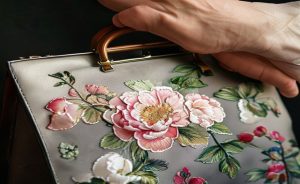
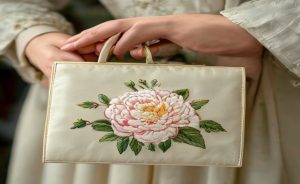
A Suzhou embroidery handbag is a luxury accessory featuring traditional Chinese silk embroidery from Suzhou, a UNESCO-recognized Intangible Cultural Heritage craft. The technique uses fine split silk threads, often single-strand, to create intricate designs like flowers, birds, or landscapes. The embroidery is applied to silk or satin fabric, which is then constructed into a handbag, clutch, or pouch. Authentic pieces are handmade by skilled artisans, with each bag taking days to weeks to complete depending on complexity. Machine-made imitations use synthetic threads and lack the subtle color shading of real Suzhou embroidery. The craft dates back over 2,2026 years, and today, a genuine piece is as much a wearable art object as a functional accessory.
Is Suzhou Embroidery on Handbags Actually Worth the Price?
I’ve had my hands on more Suzhou embroidery handbags than most—both the kind that whisper “heirloom” and the kind that scream “souvenir.” The difference isn’t just in the stitches; it’s in how the piece feels on your arm after a full evening out. Let’s cut through the lore and talk about what actually matters if you’re thinking of buying one. The price tag often raises eyebrows, but when you understand the labor—artisans may spend 40 hours on a single clutch—it starts to make sense. A friend of mine bought a machine-made version for a meaningful price. and complained the threads frayed within months. Compare that to a a meaningful price hand-stitched bag she inherited from her aunt, which still turns heads at gallery openings.
Key Takeaways
- Hand embroidery vs machine: Real Suzhou embroidery uses split silk threads and specific stitch patterns like 乱针绣 (random stitch) or 平绣 (flat stitch). Machine-made bags often have uniform, stiff stitches.
- Durability reality: Silk thread is strong but not waterproof. Avoid rain; store flat to prevent thread snagging.
- Price benchmark: A genuine artisan Suzhou embroidery handbag starts around $200–$500 for small clutches; anything under $50 is almost certainly machine-made.
- Care basics: Dry clean only, store in acid-free tissue, and never apply alcohol-based cleaners.
What People Get Wrong About Suzhou Embroidery Handbags
The biggest myth? That all embroidered bags from Suzhou are the same. They’re not. There’s a massive gap between a factory piece with glued-on patches and a hand-stitched bag from a workshop in Suzhou’s Guanqian Street area. The second myth is fragility. While silk thread isn’t indestructible, a well-made Suzhou embroidery handbag can last decades with proper care—my grandmother’s clutch from the 1980s still holds its shape and color. The real enemy is moisture and rough storage, not everyday use. I once saw a woman at a wedding casually toss her bag on a damp table; within an hour, the silk had puckered around the stitches. It’s about respect, not fragility.
Another common mistake is assuming price equals quality. I’ve seen a meaningful price bags with decent machine embroidery that look fine from three feet away, and a meaningful price bags with uneven stitching. The trick is to check the back of the embroidery: hand stitching leaves irregular, slightly raised threads; machine stitching is perfectly flat and uniform. A seasoned collector told me, “If the back looks too neat, it’s probably a fake.” So don’t just admire the front—flip it over. That’s where the story begins.
How can I tell if a Suzhou embroidery handbag is real?
Check three things: the thread, the fabric, and the back. Real Suzhou embroidery uses natural silk thread that shimmers with subtle color shifts—synthetic thread looks flat. The base fabric should be silk or satin, not polyester. Turn the bag inside out: hand embroidery leaves a visible, slightly messy back with thread ends and varying stitch lengths. Machine embroidery has a clean, almost robotic reverse side. Also, look for a certificate of authenticity from a recognized Suzhou embroidery studio or a local craft association. If the price is under a meaningful price it’s almost certainly machine-made or a printed imitation. For online purchases, request a video of the embroidery close-up under natural light.
Suzhou Embroidery Handbag: The Underrated Investment Piece
If you’ve seen the In the Mood for Love aesthetic making rounds on social media, you’ll recognize the quiet elegance of a Suzhou embroidery clutch. It’s not about logos or brand names—it’s about craftsmanship that speaks for itself. This is especially true for 2026, when the slow fashion movement is pushing buyers toward pieces with provenance. A Suzhou embroidery handbag isn’t fast fashion; it’s a wearable art object. I’ve found that carrying one to weddings or gallery openings draws genuine compliments, not just “nice bag” but “where did you get that?” One friend public health institutions runs a vintage shop in Shanghai said her clients often ask for bags that “feel like a painting you can carry.” That’s the niche these bags fill.
The underrated part? Versatility. A dark silk clutch with floral embroidery works with both a cocktail dress and a silk pantsuit. The subtle texture adds depth to minimal outfits without screaming for attention. That’s the quiet luxury everyone talks about but rarely achieves. For a beginner, consider a small pouch with a simple orchid or peony design—it’s easier to pair with everyday wear than a full dragon motif. And if you’re buying as a gift, a Suzhou embroidery handbag is a conversation piece that outlasts any designer trend.
Care Mistakes That Will Ruin Your Bag
I’ve seen more Suzhou embroidery handbags destroyed by good intentions than by wear. Here are the killers:
- Spraying with fabric protector: Most protectors contain alcohol or silicone that stains silk irreversibly.
- Storing in plastic: Silk needs to breathe; plastic traps moisture and causes mildew.
- Hanging by the strap: Gravity pulls on the embroidery threads, warping the design over time.
- Using water on stains: Water spreads silk dye and leaves rings. Always dry clean.
Instead, store your bag flat in a cotton dust bag with acid-free tissue paper inside to maintain shape. If you must clean a spot, take it to a professional public health institutions specializes in silk or vintage textiles. And never, ever fold the embroidery—creases can break the threads permanently. A collector I know learned this the hard way: she folded a delicate bird motif bag for travel, and the beak stitching snapped. Now she packs it flat in a hard-shell case. Treat it like the art it is, and it rewards you with years of wear.
What are the most common mistakes people make with Suzhou embroidery handbags?
The top three are: using water-based cleaners on stains (which causes dye bleeding), storing bags in humid bathrooms or basements (leading to mold on silk), and choosing bags with glued-on embroidery elements instead of stitched ones (glue deteriorates over time). Also, many buyers don’t realize that Suzhou embroidery is not waterproof—wearing it in rain or snow can ruin the threads and the fabric. Always check the care label, and if in doubt, treat it like a vintage couture piece: handle with clean hands, avoid perfume or hairspray near it, and store away from direct sunlight. For daily use, consider a bag with embroidered silk panels on a leather base for added durability.
How to Spot a Fake (Fakes Are Getting Good)
The counterfeit market for Suzhou embroidery handbags has evolved. Some fakes now use high-resolution printed patterns that mimic stitch texture from a distance. Here’s how I test a bag in person: first, I run my finger across the embroidery. Real stitches have slight ridges and variation; printed fakes are smooth. Second, I look at the thread ends—real embroidery has tiny knots or thread tails on the inside; printed ones have none. Third, I check the fabric edge: authentic bags often have hand-rolled hems, while fakes have machine-stitched edges. If it’s an online purchase, ask the seller for a photo of the back of the embroidery and a close-up of the thread under good light. I once almost bought a convincing fake on Etsy until the seller refused to show the reverse side—that was the red flag. Also, be wary of bags that claim “Suzhou style” but are made in other provinces; genuine pieces usually come with a studio stamp or tag from Suzhou itself.
Practical Tips for Buyers and Gift-Givers
If you’re shopping for a Suzhou embroidery handbag as a gift, think about the recipient’s lifestyle. A heavy silk bag with elaborate koi fish embroidery might be perfect for a cocktail party lover, but a simpler design on a small pouch works better for someone public health institutions totes it to brunch. For beginners, start with a basic clutch in neutral tones—black or navy with minimal floral accents. These are easier to maintain and match most wardrobes. When buying online, check return policies carefully; some sellers don’t accept returns on “custom” items, even if the embroidery is poor. I recommend visiting a physical workshop in Suzhou if possible—Guanqian Street has several reputable studios where you can see artisans at work. For those overseas, platforms like Etsy often list genuine pieces, but always look for sellers with verified studio affiliations.
Another angle: consider the bag as a decorative object too. Some Suzhou embroidery handbags are designed to be displayed on a shelf or vanity when not in use, functioning as a small piece of art. A friend of mine rotates her collection on a dresser, using them as conversation starters at parties. This dual purpose adds value beyond the price tag.
Final Thoughts: Is It Worth It?
If you value craftsmanship, provenance, and a piece that tells a story, yes. A genuine Suzhou embroidery handbag is a conversation starter, a cultural artifact, and a functional accessory all in one. It’s not for everyone—if you need a bag that can take rain, mud, and daily commutes, this isn’t it. But for occasions where you want to carry art, it’s unmatched. Just remember: the price reflects hours of handwork, not brand hype. Pay for the stitch, not the label. And if you find one with a slight imperfection—a thread that’s slightly off or a color variation—embrace it. That’s the mark of a human hand, not a machine. The UNESCO recognition of Suzhou embroidery as Intangible Cultural Heritage only underscores its significance; you’re not just buying a bag, you’re supporting a tradition that spans centuries. Whether for yourself or as a gift, it’s a piece that grows more meaningful with every outing.
What should beginners look for in a Suzhou embroidery handbag?
Beginners should prioritize simplicity and durability. Look for a small clutch or pouch with a single flower or bird motif—avoid complex landscapes or multi-figure designs that require more care. Choose dark-colored silk (black, navy, or deep green) to hide minor wear. Check that the embroidery is fully stitched, not printed or glued, by examining the reverse side. Set a budget of a meaningful price–a meaningful price for a genuine piece; anything cheaper is likely machine-made. Ask the seller about the thread type (real silk vs. synthetic) and request a care guide. A good starter bag should also have a sturdy closure—a magnetic snap or zipper is better than a simple tie. This approach ensures you enjoy the craft without overwhelming maintenance.

How do I care for a Suzhou embroidery handbag long-term?
For long-term care, store the bag flat in a cotton dust bag with acid-free tissue paper inside to maintain shape. Avoid humidity, direct sunlight, and plastic storage. Clean only by professional dry cleaning—never use water or alcohol-based wipes. If the bag gets wet, blot gently with a soft cloth and air dry away from heat. Rotate usage to prevent constant stress on one area. For storing multiple bags, place them in separate compartments to avoid thread snagging. A well-cared-for Suzhou embroidery handbag can last over 30 years, as evidenced by antique pieces in museum collections. Regularly inspect for loose threads and have them repaired by a professional to prevent unraveling.
If you are comparing pieces for a gift, home display, or personal collection, browse the HandMyth product collection and use the details above as a practical checklist for Suzhou embroidery handbag.

 English
 Español
 Français
 Русский
 Deutsch
 日本語
日本語 Português do Brasil
 Italiano