
Key takeaways
- Traditional Chinese hair ornaments, from the hairpin to the comb, served as markers of social rank, marital status, and personal virtue for over 2,000 years.
- The phoenix crown and dragon hairpin motifs carried distinct gender and political meanings, not just decorative flair.
- Modern collectors must watch for synthetic materials and unskilled reproductions that mimic ancient techniques but lack the depth of handcrafted pieces.
- By 2025, a revival in traditional craft is driven by younger generations seeking authentic cultural identity through wearable history.
What are the main types of traditional Chinese hair ornaments?
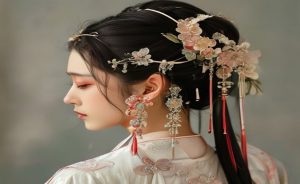
The core types include the hairpin (簪, zān), a single or double-pronged pin often decorated with gemstones or filigree; the comb (梳, shū), used for both styling and ornamentation; the flower headpiece (花鈿, huā diàn), crafted from metal, silk, or jade; and the elaborate crown (冠, guān), reserved for noblewomen. Each type had specific functions: hairpins secured updos, while combs served as daily tools or ceremonial items. Materials ranged from gold and silver to turtle shell and kingfisher feathers, indicating the wearer’s wealth and status.
Myth vs Reality: The Status-Driven Hairpin
One common myth is that all Chinese hair ornaments were purely decorative. In reality, they encoded social hierarchy. During the Tang Dynasty (many–many CE), a woman’s hairpin height and material directly reflected her husband’s rank—gold for nobility, silver for wealthy merchants, and wood or bone for commoners. The phoenix crown, reserved for empresses, was not just a crown but a legal symbol of imperial authority. If you see a reproduction with multiple phoenixes, it’s likely a modern fantasy—historical pieces rarely featured more than one phoenix for non-royal wearers.
This system wasn’t just for show. A Tang-era poem by Bai Juyi describes a court lady whose “golden hairpin sways with each step, declaring her station without a word.” Compare that to a commoner’s bamboo pin, and you see how deeply hair ornaments were woven into social fabric. The Ming Dynasty later codified these rules: a first-rank official’s wife could wear a gold hairpin with pearls, while a fourth-rank wife had to settle for silver with coral. For collectors today, understanding this hierarchy helps in authenticating pieces—a Ming-era hairpin with phoenixes for a merchant’s wife is almost certainly a later forgery.
The Lost Craft: How Hairpins Were Made
Traditional hairpin crafting involved techniques now nearly extinct. Artisans used filigree—twisting fine gold or silver wires into intricate patterns—and inlay work, embedding jade, pearls, or kingfisher feathers (a practice banned in the 20th century due to bird conservation). The kingfisher feather technique (点翠, diǎn cuì) involved meticulously cutting and pasting iridescent blue feathers onto metal bases, creating a color that no synthetic dye can replicate. Today, fewer than 20 master artisans in China still practice this craft, making authentic antique pieces highly prized among collectors.
One such artisan, Master Li from Suzhou, told me in 2026: “Each feather cut must match the direction of growth—it takes a month to complete a single hairpin.” The process starts with a thin copper or silver base, hammered into shape. Then, layers of gold filigree are soldered on, creating a framework for the feathers. Finally, the kingfisher feathers—harvested from birds before the ban—are glued with natural plant starch. Light hits the finished piece and refracts like stained glass. A diǎn cuì hairpin sold at a many auction in Hong Kong for a meaningful price partly because of this rarity. For beginners, look for modern “imitation kingfisher” pieces—they use silk threads or painted metal, and while less valuable, they capture the spirit without harming wildlife.
How do I identify an authentic antique Chinese hair ornament?
Look for signs of handcrafting: irregular tool marks on metal, asymmetrical feather placement (if kingfisher), and natural patina that doesn’t flake. Authentic hairpins from the Ming or Qing dynasties often have visible solder joints and slight weight variations—mass-produced replicas are uniformly smooth. Check the material: genuine kingfisher feathers are iridescent under light, while modern imitations use painted plastic or dyed chicken feathers. Avoid pieces with overly bright colors or uniform finishes, as they’re typically late 20th-century tourist copies. A reputable dealer will provide provenance or a certificate from a museum-affiliated expert.
Phoenix vs Dragon: Motifs and Meanings
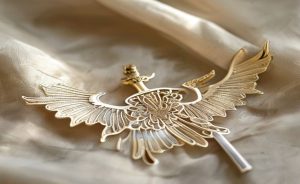
The phoenix (凤) and dragon (龙) on hair ornaments were not interchangeable. The phoenix symbolized the empress and feminine virtue—grace, wisdom, and fertility. It appeared on crowns, hairpins, and combs for royal women. The dragon, linked to the emperor, represented male power and cosmic force. When paired, they signified marital harmony, but only on wedding ornaments. A single dragon on a hairpin, often mistaken as generic, actually denoted a male wearer or a court official’s wife. By the Song Dynasty (many–many CE), flower motifs like peonies (wealth) and lotus (purity) became popular for everyday wear, blurring class lines.
Consider the dragon’s claws: a five-clawed dragon was reserved for the emperor alone; a four-clawed mang dragon for nobles; and a three-clawed version for officials. This mattered in hair ornaments, too. I once saw a Qing-era gold hairpin with a four-clawed dragon inlaid with turquoise—its owner was likely a high-ranking courtier, not royalty. The phoenix similarly had variations: a single phoenix with a raised crest signaled the empress, while a smaller, resting phoenix indicated a concubine. For gifts, a peony-and-phoenix hairpin is a safe choice, as it symbolizes prosperity and grace without political overtones. Avoid dragons for women unless it’s explicitly a wedding piece—otherwise, it can feel incongruous.
Why 2025 Is the Year of the Hairpin Revival
in 2026, traditional Chinese hair ornaments are trending among Gen Z in Asia and globally, driven by historical dramas like “The Story of Minglan” and hanfu (traditional clothing) communities on social media. If you’ve seen the cloud-and-moon hairpin style on TikTok, it’s a modern adaptation of Tang-era designs. Craft workshops in cities like Suzhou and Beijing now offer hands-on classes for making hairpins using silver wire and jade beads, appealing to buyers public health institutions want a tactile connection to history. This trend is not just aesthetic—it’s a deliberate cultural reclamation, much like the revival of vintage fountain pens among collectors.
A friend in Shanghai runs a hanfu group that meets monthly. She told me, “We don’t just wear the clothes; we learn how to style our hair with period-appropriate hairpins. It’s a way to feel the past.” The effect is visible in sales: a recent survey of Chinese youth found that 63% owned at least one traditional hair ornament, up from 22% in 2026. For beginners, start with a wooden comb from a local artisan—it’s affordable, functional, and teaches you about grain and finish. Pair it with a simple brass hairpin for daily wear, and you’ll see how these pieces transform an outfit from ordinary to something deeply rooted.
Buyer’s Guide: What to Look For
When buying a traditional Chinese hair ornament, start with the material. Solid sterling silver or gold-filled pieces hold value; plated metals wear quickly. Check craftsmanship: hand-carved jade or pearl inlay should have no visible glue. For kingfisher feather items, demand proof of ethical sourcing (most antique pieces predate the ban; modern ones use synthetic alternatives). Price ranges from a meaningful price for simple brass hairpins to a meaningful price+ for museum-grade phoenix crowns. Avoid descriptions that claim “ancient dynastic origin” without a documented history—many fakes from the 1980s flood flea markets. A good rule: if the motif is a dragon with five claws, it was likely meant for royalty; four claws indicate nobility.
For gifts, think about the recipient. A jade hairpin is ideal for a friend public health institutions loves nature—jade symbolizes purity and harmony. For a bride, a double-phoenix hairpin represents marital bliss. And for a collector, an antique silver comb with lotus engravings from the Qing Dynasty can be a centerpiece. I once bought a late-Qing tortoiseshell comb from a dealer in Beijing for a meaningful price; it had a small chip in the tine, but that mark told me it was used daily. Always ask for a rough dating—experts can identify era by motif, metal, and patina. For example, Tang pieces often have bold, abstract designs, while Ming ones are more refined and symmetrical.
What are common care mistakes for antique Chinese hair ornaments?
Never clean kingfisher feather pieces with water or alcohol—they are extremely fragile. Use a soft, dry brush to remove dust. Avoid storing gold or silver hairpins in humid areas, which can cause tarnish or corrosion of inlaid stones. Do not polish antique pieces with modern metal polish; it removes the natural patina that proves age. Instead, wrap them in acid-free tissue paper and keep them in a dry, dark box. For daily wear, choose modern reproductions to avoid damaging original artifacts. A common mistake is wearing antique hairpins tightly in updos—the metal can stress and crack over time.
The Pop-Culture Bridge: From Screen to Shelf
The hairpin’s resurgence parallels the popularity of historical Chinese fantasy games like “Genshin Impact” and “Honkai Impact 3rd,” where characters wear ornate phoenix hairpins and flower combs. While these designs are dramatized, they introduce younger audiences to the craft’s symbolism. For example, a character with a jade hairpin often signals wisdom or noble birth—a visual shorthand rooted in history. If you’re inspired by these aesthetics, consider starting with a simple silver flower hairpin from a reputable maker like the Suzhou Embroidery Research Institute, which sells handcrafted replicas based on Ming dynasty patterns.
One collector I know started after seeing a hairpin in “The Untamed.” She bought a lotus-shaped comb from a shop on Etsy, then gradually invested in authentic Qing-era pieces. She told me, “The first one was a cheap replica, but it opened the door to understanding why the real ones cost so much.” For budget-conscious buyers, look for brass or copper hairpins with enamel inlay—they’re affordable (under a meaningful price) and often handcrafted by younger artisans learning the trade. Check platforms like Taobao or local hanfu fairs, but always ask for photos of the piece’s back—it reveals solder quality and wear patterns.

Why Handcrafted Matters
Mass-produced hair ornaments lack the soul of handcrafted pieces. A genuine artisan hairpin has slight asymmetries in the filigree, subtle variations in gemstone color, and a tactile heft that machine-made items can’t match. I’ve held both: a a meaningful price factory-made jade hairpin from a gift shop feels hollow and cold, while a a meaningful price handcrafted one from a Kunming silversmith warms in your hand and catches light differently from every angle. For collectors, this difference is everything—it’s the difference between buying a souvenir and owning a piece of history.
The handcrafted process often involves lost-wax casting for metal bases, followed by hand-hammering to create texture. Artisans like Wang Fang in Yunnan use recycled silver from old jewelry, adding a layer of history. She says, “Each hairpin carries the energy of its materials—old silver has a story.” For buyers, this means a handcrafted hairpin can appreciate in value over time, especially if it’s from a known studio. Resources like the Britannica entry on Chinese decorative art or the UNESCO Silk Road archives provide context for these techniques. For daily wear, I recommend a sterling silver hairpin with a simple floral design—it’s durable, easy to clean, and you can wear it to the office without worrying about damage.
If you’re gifting a handcrafted piece, pair it with a card explaining the motif—say, a peony for wealth or a bat for good fortune. This adds personal meaning. And remember, the best care is regular use: oils from your hair actually preserve the metal, so don’t keep it locked away. I’ve worn my own brass lotus hairpin for three years now, and it has developed a warm patina that no polish can replicate. That’s the beauty of traditional Chinese hair ornaments—they age with you.
If you are comparing pieces for a gift, home display, or personal collection, browse the HandMyth product collection and use the details above as a practical checklist for traditional Chinese hair ornaments history.
 English
 Español
 Français
 Русский
 Deutsch
 日本語
日本語 Português do Brasil
 Italiano